If you have been searching for the best decluttering methods for beginners, then you already know how confusing it can feel to start.
There are so many decluttering ideas out there that it becomes hard to know which one will actually work for you.
You might look around your home and feel stuck because emotional attachment makes it tough to let go of things you have owned.
The junk drawer overflows, and other messy areas of your home seem to multiply when you are not even paying attention to them.
Figuring out how to declutter for beginners feels like trying to solve a puzzle without knowing where the first piece goes.
You want to start, but the thought of sorting through everything can make you want to hide under a blanket instead.
Every room whispers your name, and you just do not know which space deserves your energy first or how to begin.
This post may contain affiliate links. As an Amazon Associate and a participant in other affiliate programs, I earn a commission on qualifying purchases at no additional cost to you.

The good news is that simple decluttering methods can turn that stress into progress and make the whole process feel doable.
These beginner approaches help you declutter and organize without needing to be perfect or spend your whole weekend stuck in one room.
So, I am going to share helpful decluttering tips for beginners, plus the essential tools you need to finally get started with confidence.
Feeling Stuck? Why Decluttering Feels So Hard at First
Starting your decluttering journey can feel scary because you might worry about making the wrong choice or throwing away something important.
Emotional attachment sneaks in and convinces you that every single item holds a memory or might be useful down the road.
You may stand there holding an old sweater or a broken gadget, and your brain starts telling stories about why you need it.
Beginners often struggle to get rid of the rest because letting go feels like losing a piece of themselves or their past.
The truth is that clutter builds up slowly over time, so facing it all at once feels like staring at a mountain.
You might feel guilty about spending money on things you never use or worry that someone will judge your choices.
Decision fatigue sets in fast when you are trying to sort through piles, and your energy runs out before you finish.
Many people freeze because they think decluttering has to be perfect or done in one big exhausting push through the house.
The emotional weight of items mixed with not knowing where to start creates a mental block that keeps you stuck in place.
But once you understand why it feels hard, you can give yourself grace and pick a decluttering method that works with you.
Beginner Decluttering Tips to Help You Start Small and Win Big
Starting small is the secret sauce because tiny wins build your confidence and make you want to keep going with the process.
You do not need to tackle your entire house in one day because that approach usually leads to burnout and frustration.
Pick just one drawer or one shelf and celebrate when you finish it because that small victory matters more than you think.
Building clutter-free habits happens when you focus on progress instead of perfection and give yourself permission to move at your own pace.
Quick tasks like clearing off your nightstand or organizing one kitchen cabinet can be done in under fifteen minutes and feel amazing.
Gentle momentum is your best friend here because each small completed task gives you energy to take on the next little area.
Beginner-friendly ways to succeed include setting a timer for ten minutes and seeing how much you can accomplish in that time.
You will be surprised at how much lighter you feel when you see clear space appearing in areas that used to stress you.
The key is to make decluttering feel like a game or a fun challenge instead of a chore that you dread doing.
Remember that every single item you remove from your space is a step toward living in a home that feels peaceful and easy.

How Do You Decide What to Keep or Throw Away When Decluttering
Deciding what stays and what goes is often the hardest part of decluttering because every item seems to demand your attention and consideration.
One popular decluttering method asks if each item sparks joy in your heart when you hold it in your hands and think about it.
If something makes you smile or feel genuinely happy, then it earns its place in your home and deserves to stay with you.
Practical thinking also helps because you can ask yourself if you have used the item in the past year or if it serves a purpose.
Emotional attachment can cloud your judgment, so try to separate the memory from the physical object that is sitting in front of you.
You can keep the memory alive through photos or journal entries without needing to store the actual item in your closet forever.
Simple steps for sorting include creating clear categories like keep, donate, trash, and relocate, so you are not overthinking every single decision you make.
Sometimes items feel important because they represent who you used to be, but letting them go makes room for who you are becoming.
Trust your gut feeling when you pick something up because your first instinct is usually the most honest answer about whether you need it.
Give yourself permission to let go of things that no longer serve your life because a clutter-free home supports your peace and happiness.

Beginner-Friendly Decluttering Tools to Make Life Easier
Having the right tools in your corner can make the decluttering process feel smoother and help you stay organized as you work through your space.
You do not need fancy, expensive gear to get started, but a few simple items can absolutely make your life a whole lot easier.
Here are some helpful tools that beginners love because they take the guesswork out of decluttering and keep you moving forward with confidence.
Tap Photos To Shop

The 5-Item Rule: The Simplest Way to Declutter When You’re Overwhelmed
The five-item rule is a game-changer for beginners because it breaks down the decluttering process into the tiniest, most manageable steps possible.
Would you like to save this post?
All you do is pick any five items from wherever you are standing and decide right then what to do with each one.
This decluttering method works beautifully because five items feel doable even on your most tired or busy days when motivation is running low.
You might grab five things from your junk drawer or five books from your shelf, and suddenly you have made real progress without stress.
Choosing just five items at a time removes the pressure of needing to finish an entire room or complete a massive project today.
Progress becomes visible quickly because you can see the difference after removing just five things, and that motivates you to keep going strong.
This approach reduces stress because your brain is not trying to make a hundred decisions all at once about every single thing you own.
A clutter-free mindset starts forming when you realize that small, consistent actions add up to big changes over weeks and months of practice.
You can repeat this method multiple times throughout your day or week, depending on how much energy and time you have available.
The good thing about the five-item rule is that it meets you exactly where you are and helps you win without feeling exhausted.

The Four-Box Method: A No-Excuse System That Keeps You Moving
The four box method is one of those decluttering ideas that takes all the guesswork out of sorting and keeps you moving forward with clarity.
You grab four boxes or bags and label them so you know exactly where each item belongs as you work through your space.
This system works because it forces you to make a decision about every single item instead of just shuffling things around your house aimlessly.
Step 1: Set Up Your Keep Box
The keep box is for items that you use regularly, that spark joy in your heart, or that serve a clear purpose in your life. Only put things in this box if they truly belong in the room you are decluttering right now, and you know where they go. Be honest with yourself about what you actually need because this box should not become a place where you hide from hard decisions.
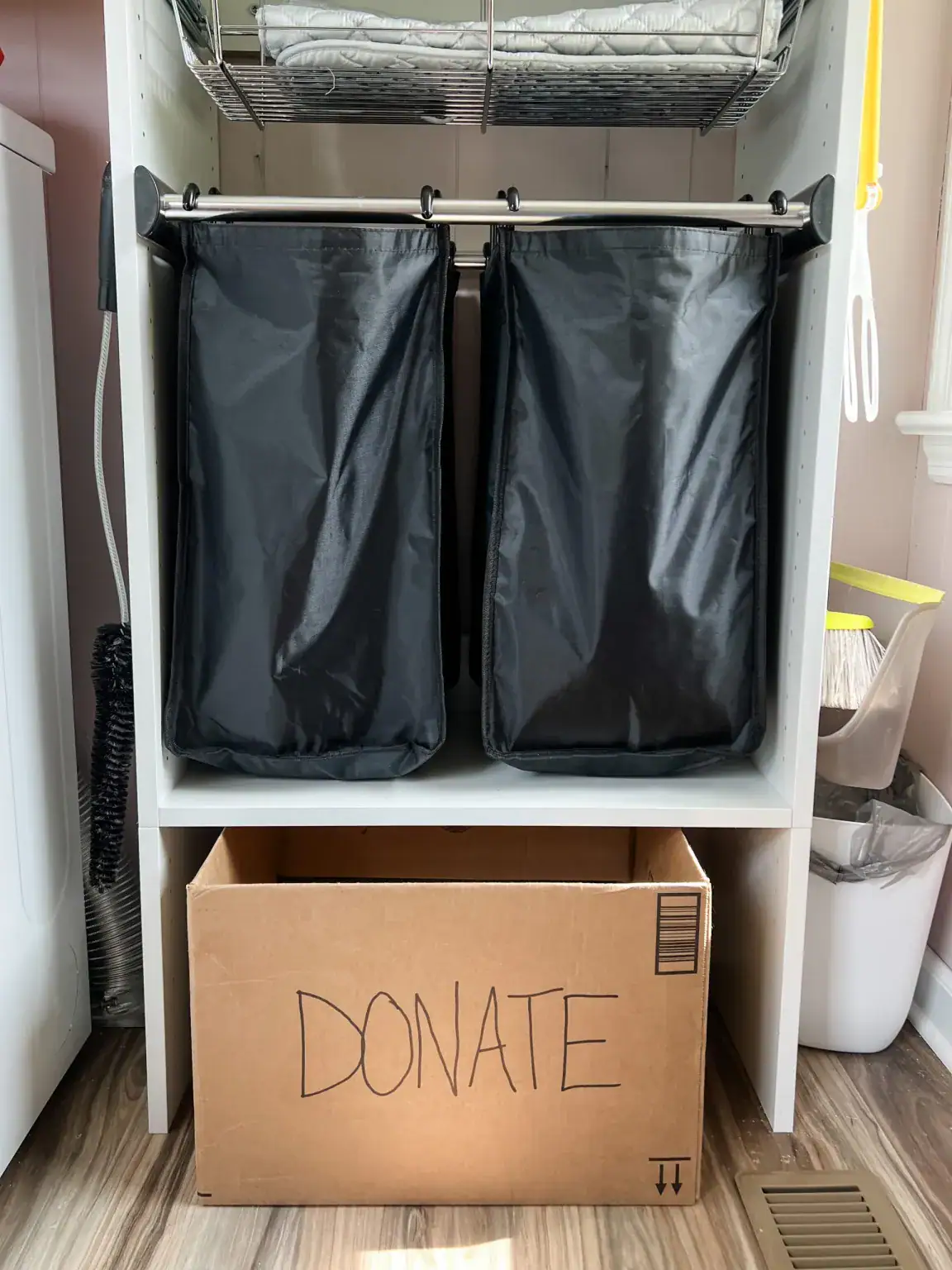
Step 2: Set Up Your Donate Box
The donate box is for items that are still in good condition but no longer fit your life or bring you any happiness. Someone else could really benefit from these things, so letting them go is actually a generous act that helps both of you out. Make sure donated items are clean and functional because you want them to bless someone else instead of becoming trash down the road.
Step 3: Set Up Your Trash Box
The trash box is for broken items, expired products, or things that are too worn out to be useful to anyone at all anymore. Do not feel guilty about throwing away items that have lived their full life because holding onto garbage does not honor anyone or anything. Getting rid of the rest becomes easier when you accept that some things are just meant to be released and recycled or disposed of properly.
Step 4: Set Up Your Relocate Box
The relocate box is for items that belong in a different room or area of your home but somehow ended up in the wrong spot. Once you finish decluttering the current space, you can take this box around and put everything back where it actually belongs in minutes. This keeps you focused on one area at a time instead of running around your house putting away items and losing your momentum completely.
Room-By-Room Decluttering for Beginners (When You Need Structure)
Moving through areas of your home one at a time gives you structure and prevents you from feeling scattered or jumping around without finishing anything.
Pick one room to start with and commit to completing that space before you move on to the next area in your house.
The bedroom is often a great starting point because it is your personal sanctuary and deserves to feel calm and clutter-free always.
Simple strategies like tackling one corner or one piece of furniture at a time keep you from feeling like you have to finish everything today.
You can declutter and organize your bathroom in less than an hour if you focus on one drawer or cabinet instead of the whole room.
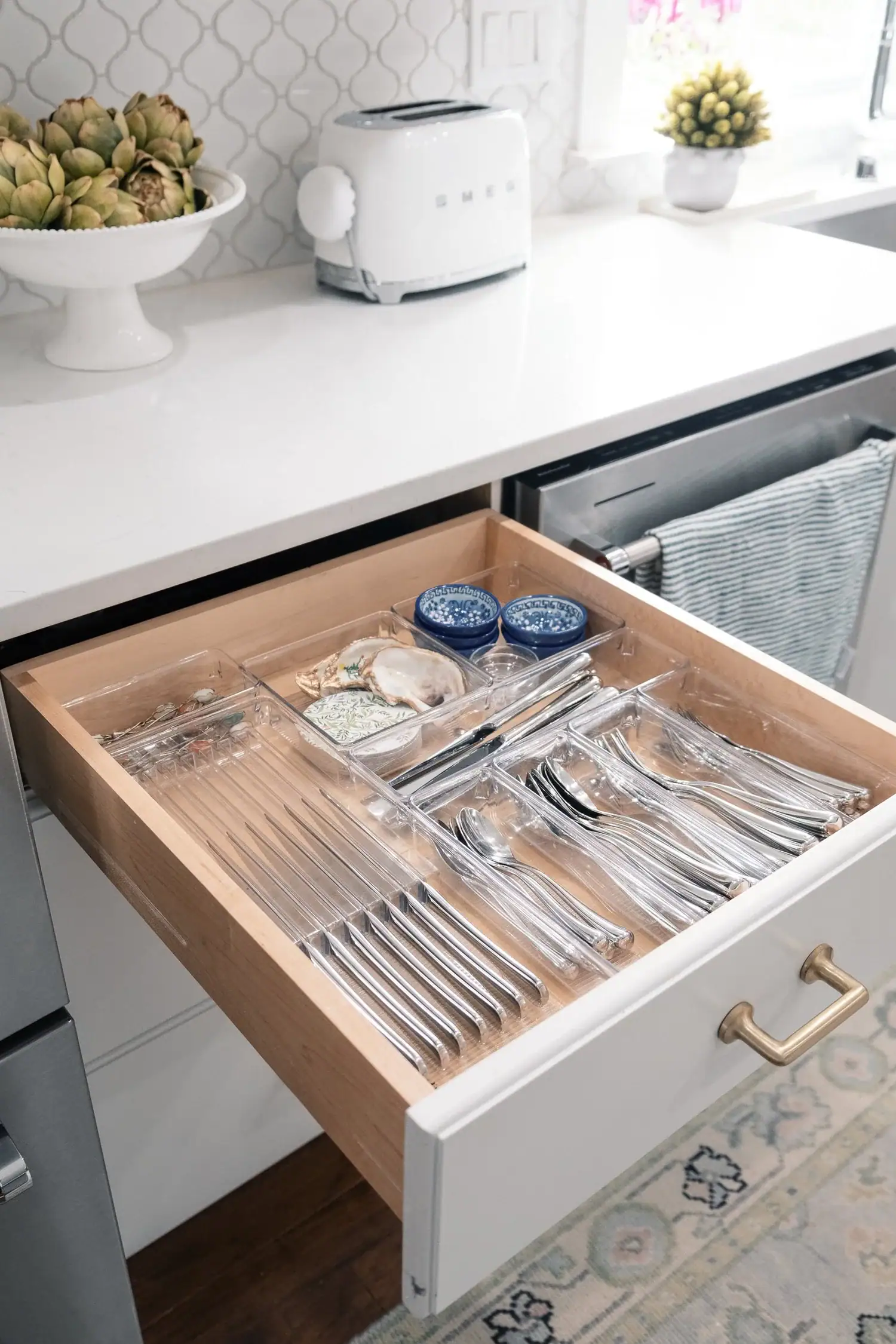
Kitchens can feel tricky because they hold so many items, but starting with that junk drawer or one messy cabinet builds momentum and confidence fast.
Living rooms often collect random items from other areas of your home, so putting things back where they belong creates instant visual peace and breathing room.
Storage units or closets might feel intimidating, but breaking them into small sections makes the task feel manageable instead of impossible to complete.
Staying consistent matters more than being perfect, so even fifteen minutes a day in one room adds up to real transformation over time, naturally.
Celebrate each completed room because you are creating a home that supports your peace and helps you feel lighter every single day you wake up.

Simple Habits to Maintain a Clutter-Free Home for Beginners
Maintaining a clutter-free home is all about building small daily actions into your routine so messes do not pile up again over time.
One simple habit is the one in, one out rule, which means when you bring something new home, you let go of something old.
Intentional routines like spending five minutes before bed tidying up your living room can keep surfaces clear and your mind feeling peaceful at night.
Quick resets throughout the day help you stay on top of clutter before it becomes a big problem that requires hours to fix later.
Putting items back in their designated spots right after you use them saves you from hunting for things or dealing with piles on counters.
Clutter-free habits also include saying no to free items or deals that you do not truly need because every item requires space and energy.
Checking your junk drawer once a week and removing anything that does not belong there keeps that space from becoming a disaster zone again soon.
Another helpful habit is doing a quick scan of one area each day and removing five items that no longer serve your life.
Ways to stay organized long term include creating systems that are so simple and easy that you will actually stick with them every single day.
Remember that maintaining your space is easier than starting over, so these tiny habits protect all the hard work you already put into decluttering.

Frequently Asked Questions
What is the easiest decluttering method for beginners?
The five item rule is easiest because you only choose five items at a time to sort through quickly. This method removes pressure and helps you build confidence through small wins that add up over time naturally.
How do I let go of sentimental items?
Separate the memory from the physical object by taking a photo or writing about it in your journal first. Remember that releasing items makes room for new experiences and the person you are becoming right now today.
Where should I start decluttering first?
Start with small areas like a junk drawer or nightstand because these spaces can be finished quickly and successfully. Choose a space that bothers you daily so you enjoy the benefits of your hard work immediately after finishing.
How long does decluttering take?
Decluttering time depends on how much stuff you own and how much time you dedicate to the process daily. Most beginners see real progress in weeks by spending just fifteen to thirty minutes a day consistently working.
How do I keep my home clutter free?
Maintain a clutter free home by putting items back after use and doing quick five minute evening resets daily. Use the one in one out rule to prevent new clutter from building up in your home again.

Creating a home that feels lighter, calmer, and easier to manage each day brings comfort and peace into your life.
The best decluttering methods for beginners are the ones that meet you where you are and help you move forward without perfection or pressure.
These simple approaches work because they break big tasks into tiny steps that fit into your real life and your actual schedule right now.
Trust yourself to make good decisions about what stays and what goes because you know your space better than anyone else ever could.
Take that first small step today and watch how quickly your confidence grows as you declutter and organize one little area at a time successfully.