An extra room in your home can become one of the most useful areas when planned right with some of these thoughtful bonus room ideas we collected for you.
Many people leave a room like this empty or filled with random belongings because they just don’t know what to do with the space.
An unused room is a missed opportunity to make the most of your space and support the way you live every day.
Without a practical plan, the room can easily turn into a storage area filled with unused furniture instead of becoming a comfortable, liveable space.
Without a clear purpose for the room, it’s easy to get stuck on decorating choices and never quite finish the space.
A thoughtfully designed bonus room can also appeal to future buyers by giving every space inside the home a practical and inviting purpose.
An empty room can feel a little intimidating when you have tons of ideas but don’t know where to start.
This post may contain affiliate links. As an Amazon Associate and a participant in other affiliate programs, I earn a commission on qualifying purchases at no additional cost to you.

This collection of bonus room ideas shares simple inspiration, smart planning tips, decorating advice, and storage solutions for every budget and lifestyle.
You will see how to choose the best purpose, organize the space efficiently, and decorate each area with lasting style and everyday function.
Use these ideas to create a bonus room your family enjoys every day while making every part of your home feel useful and welcoming.
Key Takeaways
- Choosing a purpose that matches your family’s daily life makes the space far more useful.
- Built-in storage is one of the smartest moves you can make in any bonus room layout.
- Multi-purpose setups work well in both small and large homes when planned with intention.
- Budget-friendly styling choices like peel-and-stick wallpaper and thrifted furniture can look high-end.
- Avoiding common decorating mistakes from the start saves you time, money, and a lot of frustration.
What Is a Bonus Room and How Can You Use It?
A bonus room is a finished extra space in your home that does not have a single defined purpose assigned to it at the time of construction.
These rooms are often found above a garage, tucked into an attic area, or built into another nontraditional part of the house layout.
Because the space is already finished, you are not starting from scratch with walls or flooring, which makes the transformation process much more approachable.
The beauty of a bonus room is the flexibility it gives you to design a space that matches your actual lifestyle rather than a generic floor plan.
Some families turn this room into a dedicated playroom that keeps toys and noise out of the main living areas of the home.
Others use it as a guest suite, a home gym, a craft room, or even a reading library with cozy built-in seating.
The room can also shift its purpose over time as your family grows or your daily routines change in different seasons of life.
No matter what direction you choose, this extra space is one of the most valuable and versatile parts of your home.

How to Choose the Best Bonus Room Idea for Your Home
Choosing the right direction for your extra room starts with an honest look at what your family is actually missing in your home right now.
If you are constantly fighting over space during work hours, a dedicated office setup might be the most practical and immediate solution.
If your kids have taken over the living room with their toys and games, a playroom upstairs could completely change how your main floor feels to everyone.
Spend a week observing how your family naturally uses the home before committing to any one layout or design direction.
The size and shape of the room also play a big role in what is realistic, especially if the ceiling slopes or the square footage is on the smaller side.
Think about how often the room will be used daily versus occasionally, because that affects how much you should invest in furniture and decor.
Consider choosing flexible furniture that allows the bonus room to serve more than one purpose as your family’s needs change over time.
Storage should also factor into your decision, especially if you want the room to stay organized without adding bulky furniture that takes up valuable space.
The best choice is the one that genuinely solves a problem your family faces every single day at home.
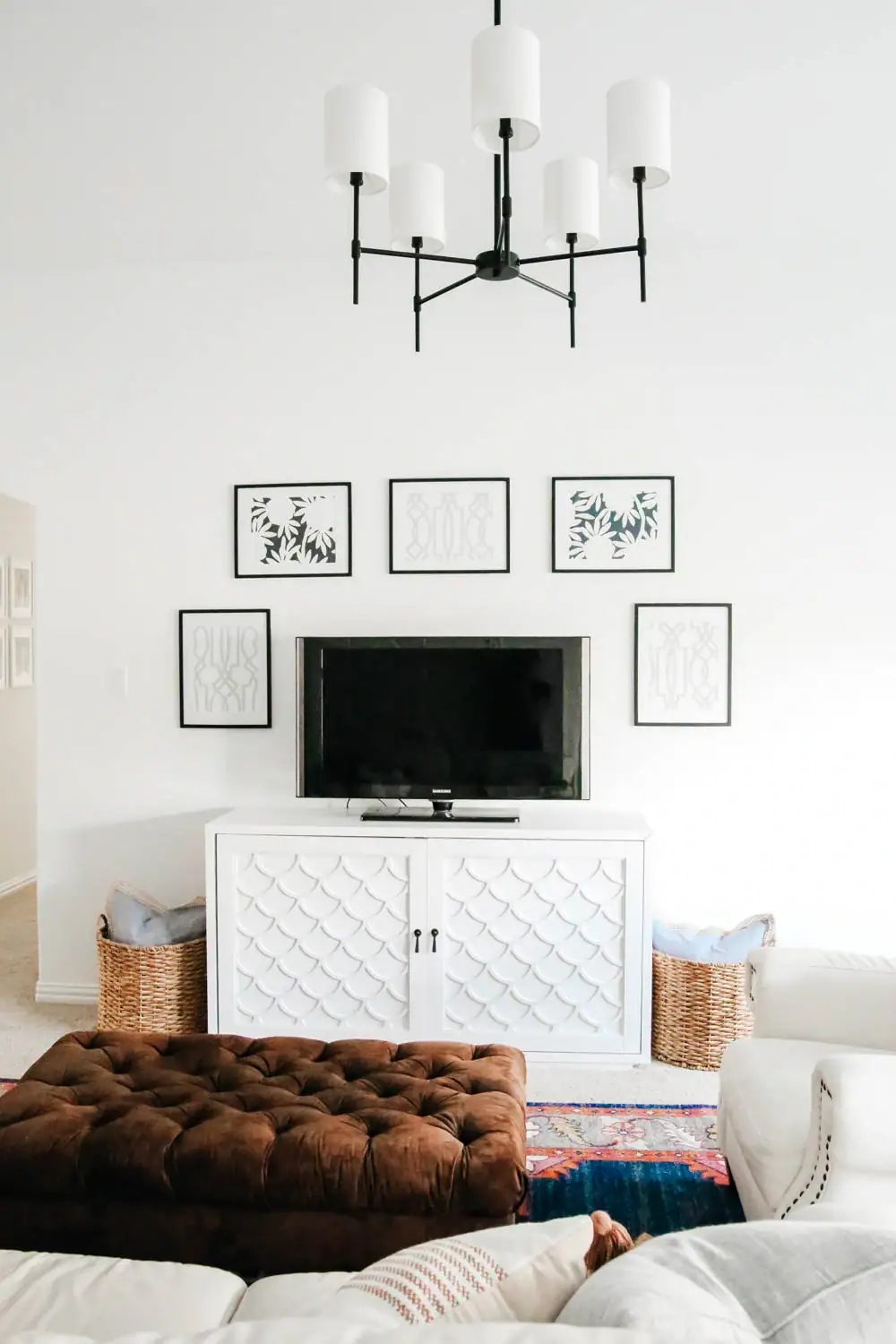
How To Plan Bonus Room Ideas Based on Your Family’s Needs
Planning a bonus room around your family’s actual needs is what separates a space that gets used from one that gets ignored after a few weeks.
Start by having an honest conversation with everyone in the household about what they wish they had more room for in your current setup.
If you have school-age kids learning from home, the room could double as a study space during the day and a hangout spot in the evenings.
I have seen so many creative setups that blend two functions without sacrificing comfort or style in either direction.
If you need inspiration for a learning-focused layout, these homeschool room ideas are packed with practical and beautiful ways to set up an educational environment at home.
Consider how much natural light the room gets, because darker spaces can feel heavy and closed off without the right lighting plan in place.
Storage is another planning priority that a lot of people skip over in the early stages, which leads to clutter problems down the road.
Map out your must-haves versus your nice-to-haves before you ever buy a single piece of furniture for the space.

Design Tips for a Bonus Room That Stays Functional for Years
Designing a bonus room that stays functional over time means making intentional choices from the very beginning of your planning process.
One of the smartest things you can do is invest in flexible furniture pieces that can be rearranged or repurposed as your needs change over the next few years.
Built-in shelving along one wall gives you storage and display space without taking up valuable floor area in the center of the room.
If you want to see what a well-executed modern setup looks like, these modern bonus rooms show exactly what pieces and finishes pull a polished look together.
Lighting is often underestimated in bonus rooms, especially when the space is above a garage with fewer windows than the rest of the house.
Layering your light sources, ceiling fixtures, floor lamps, and task lighting gives you control over the mood and functionality of the room throughout the day.
Choosing durable, easy-to-clean fabrics and flooring is especially important if kids or pets will be spending a lot of time in the space.
A room that looks good on day one and still works on day five hundred is the real goal here.

Best Decor Pieces to Decorate a Bonus Room
The right decor makes a bonus room feel intentional rather than like an afterthought sitting at the top of the stairs.
I love pulling together a mix of functional and decorative pieces that give the room personality without making it feel cluttered or overdone.
These are some of my favorite decor picks that work beautifully in almost any bonus room setup you are going for.
Tap Photos To Shop

Tips to Decorate and Style a Bonus Room
Styling a bonus room well comes down to treating it with the same care and intention you would give any other main room in your home.
Would you like to save this post?
One of the biggest mistakes I see is people choosing leftover furniture from other rooms rather than pieces that actually fit the scale and purpose of this specific space.
Before moving anything in, think about how you want the room to function and choose furniture that supports that purpose.
Start with a clear color palette of two to three colors and build every decision around that foundation to keep things cohesive.
Pull those colors through the rug, pillows, artwork, and smaller accents so everything feels connected without looking overly matched.
If you need ideas for creating a media-friendly setup without going over budget, these tips to create a family friendly media room walk you through the process step by step.
Texture matters a lot in bonus rooms because these spaces often have less architectural detail than the rest of the house, so rugs, pillows, and curtains do a lot of the heavy lifting.
Mixing soft fabrics with woven baskets, wood accents, or natural materials can also give a simple room more depth and interest.
Scale your furniture to the room rather than defaulting to whatever fits through the door, because oversized pieces in a small room will make the whole layout feel off.
Leave enough open space around larger pieces so the room feels comfortable to move through and does not become crowded.
Lighting is another detail that can completely change how the room feels, especially when the bonus space has small windows or limited natural light.
Layer overhead lighting with table lamps or floor lamps to create a warmer atmosphere and make different areas more useful throughout the day.
Personal touches like family photos, a favorite throw blanket, or a plant or two make the space feel warm and used rather than staged and stiff.
Add these details gradually so the room reflects your family while still feeling organized and thoughtfully styled.

Budget-Friendly Bonus Room Ideas That Look Expensive
You do not need a large renovation budget to create a bonus room that looks polished and intentional from every angle.
Peel-and-stick wallpaper is one of my favorite tricks because it adds serious visual impact to a room for a fraction of what traditional wallpaper installation would cost.
Shopping secondhand at estate sales, Facebook Marketplace, or thrift stores can have incredible furniture finds that look custom when styled correctly with the right accessories.
If you are setting up a workspace in your bonus room, these home office ideas on a budget are full of practical and stylish ways to get a functional setup without overspending.
A fresh coat of paint in a rich, intentional color can completely transform how a room feels without requiring any other major changes to the space.
Swapping out basic builder-grade light fixtures for something more interesting is a relatively affordable upgrade that makes a dramatic difference in how finished the room looks.
DIY built-ins using IKEA shelving units and custom trim work can mimic the look of expensive custom cabinetry at a much lower price point.
Spending smart rather than spending a lot is completely possible when you have a clear plan and a defined vision for the room from the start.

Bonus Room Storage Ideas for a More Organized Space
Storage is the backbone of any bonus room that stays functional and tidy over the long term, and it deserves serious attention during the planning phase.
Built-in shelving along one full wall gives you maximum storage capacity without eating into the usable floor space at the center of the room.
Ottomans with hidden storage compartments are one of my favorite dual-purpose furniture choices because they serve as seating, a coffee table, and a place to stash things all at once.
Under-stair storage cubbies, if your bonus room has a staircase leading up to it, are a clever way to capture dead space that would otherwise go unused.
Labeled baskets and bins keep categories of items separate and easy to find, which is especially helpful in a room used by multiple family members with different needs.
A pegboard wall in a craft or hobby area gives you visual, accessible storage for tools and supplies without taking up drawer or shelf space.
Floating shelves above a desk or sofa add both storage and a display opportunity without visually weighing down the walls of the room.
The more storage you build into the design from the beginning, the easier the room will be to maintain and enjoy every single day going forward.
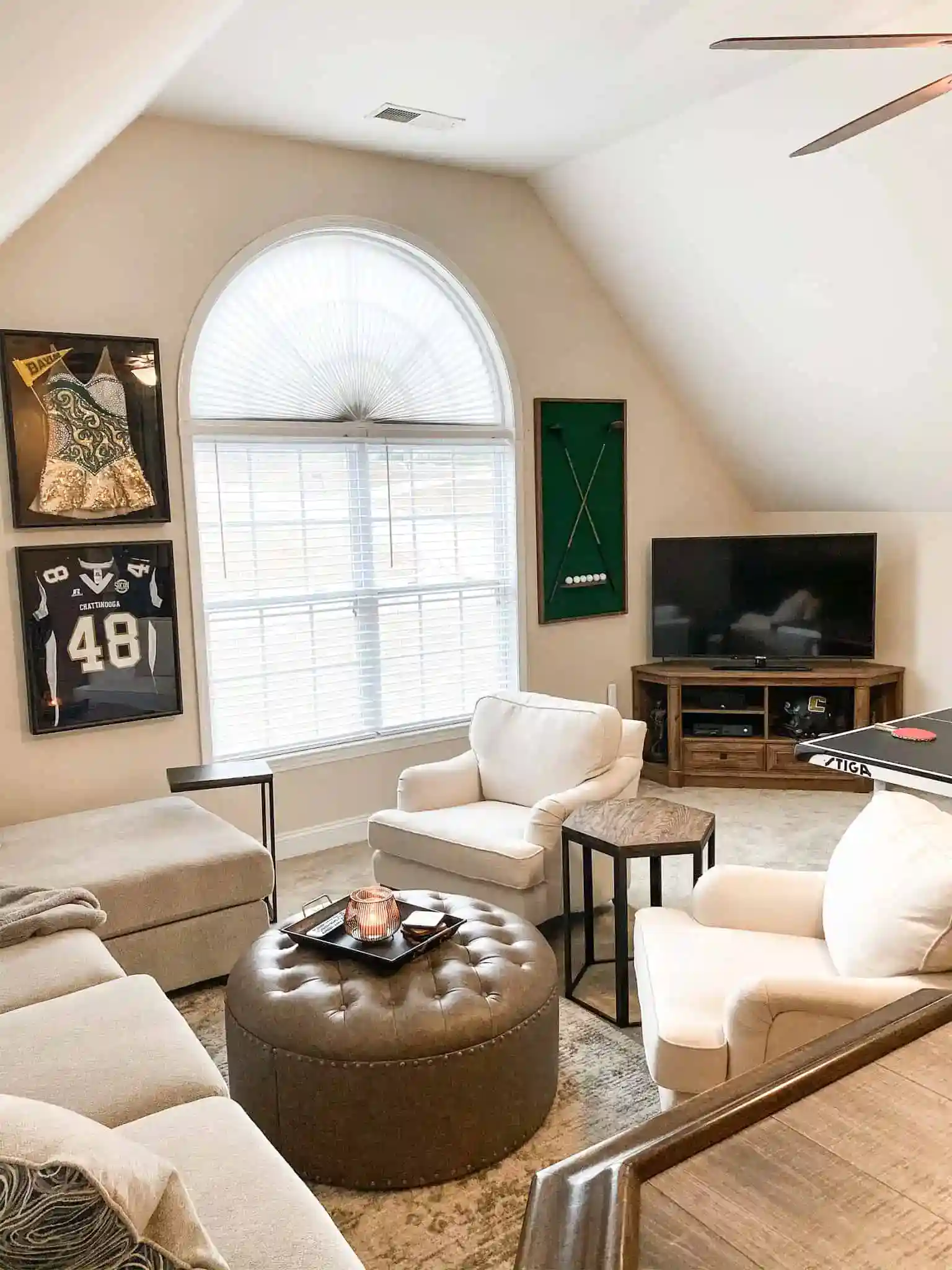
Multi-Purpose Bonus Room Ideas for Small and Large Homes
A multi-purpose bonus room is one of the smartest investments you can make in your home, whether you are working with a compact footprint or a sprawling open space above the garage.
In a smaller room, the key is choosing furniture that serves more than one function at the same time, like a daybed that acts as both a guest sleeping spot and a reading nook during the day.
A larger room gives you the opportunity to create distinct zones within the same space using rugs, furniture arrangement, and lighting to signal different purposes.
For the ultimate in home entertainment, these home theater design ideas show you exactly how to build a cinematic experience that your family will want to use every single weekend.
A room that functions as both a home office during the week and a game room on weekends is a setup I have seen work incredibly well for busy families with varied schedules.
Room dividers, curtains, or even a large bookshelf placed strategically can create the illusion of separate spaces without the cost of adding walls.
The key to a successful multi-purpose layout is making sure the transitions between functions are easy and intuitive rather than complicated and time-consuming.
A well-planned multi-purpose room adds real daily value to your life and serious appeal to your home’s resale potential over time.

Common Mistakes to Avoid When Decorating a Bonus Room
The biggest mistake I see people make with a bonus room is treating it as a second-priority space rather than giving it the same thoughtful attention as the main living areas of the house.
Buying furniture before measuring the room properly is a costly error that leads to pieces that are either too large for the layout or too small to fill the space adequately.
Skipping a lighting plan entirely and relying on a single overhead fixture leaves the room feeling flat, dark, and uninviting no matter how nice the furniture is.
Choosing a color palette that has nothing to do with the rest of your home creates a disjointed feel when you move between floors and rooms throughout the day.
Neglecting storage in the initial design means the room will become cluttered within weeks of being set up and used by the family.
Over-filling the room with too many pieces of furniture in an attempt to make it feel cozy actually makes the space feel cramped and hard to navigate comfortably.
Forgetting about acoustics is a real issue in bonus rooms used for media or music because hard surfaces bounce sound in ways that make the room unpleasant to spend time in.
Going into the design process without a clear plan almost always leads to overspending and ending up with a room that does not quite work the way you imagined it would.
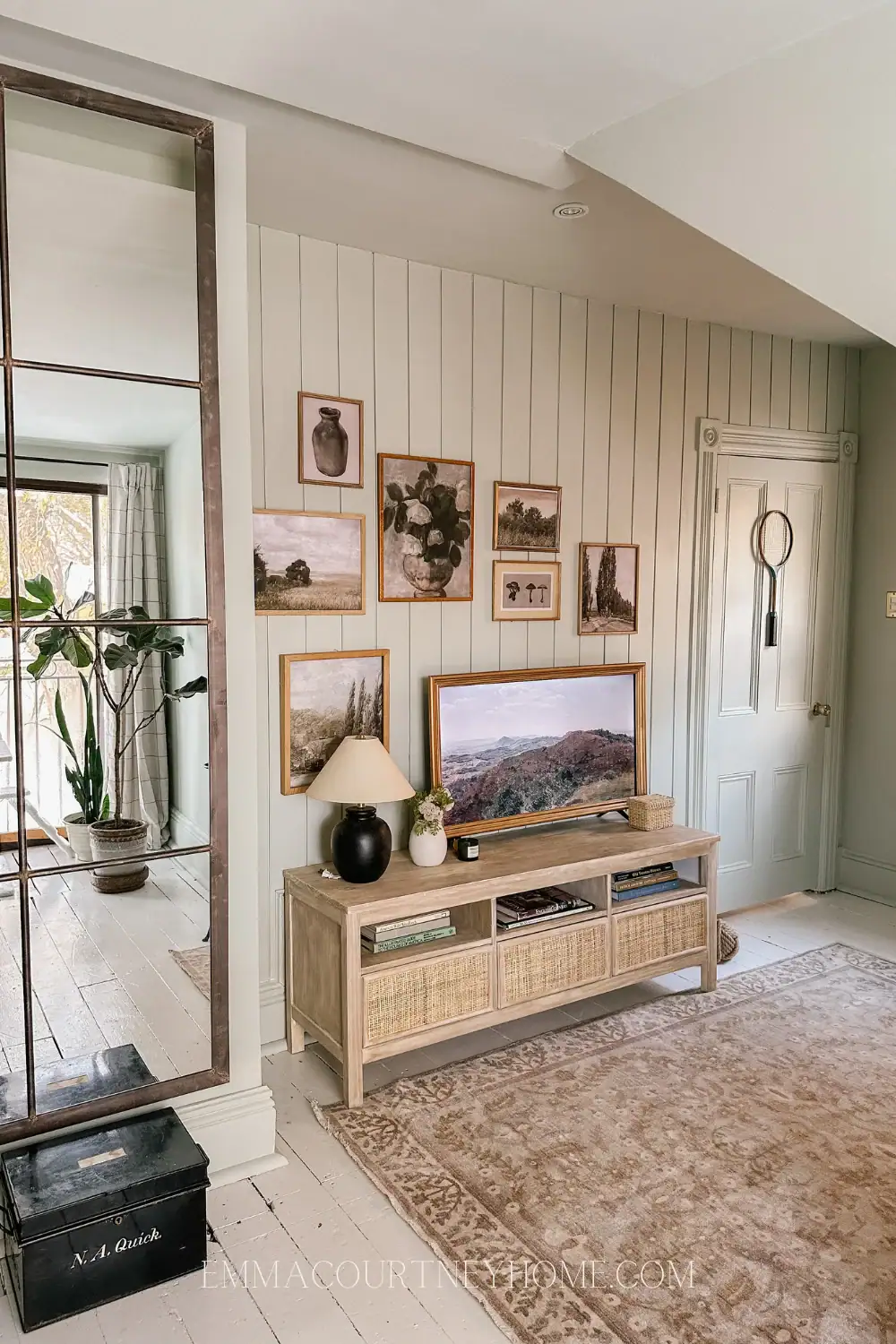
Things to Know
- A finished bonus room can add between $10,000 and $30,000 to your home’s resale value, making it a smart investment beyond just daily use.
- Bonus rooms above garages often have sloped ceilings that affect furniture placement, so always measure ceiling height before purchasing tall pieces.
- Natural light in a bonus room is limited in many homes, which means a layered lighting plan is not optional but absolutely necessary for comfort.
- The purpose of your bonus room does not have to be permanent. Many families shift the room’s function every few years as their household needs change.
- Acoustic wood panels are a practical and stylish addition if you are using the room for a home theater or music-related activities.
- Peel-and-stick wallpaper is renter- and budget-friendly and can be removed without damaging walls when you are ready for a new look.
Frequently Asked Questions
How much does it cost to finish a bonus room?
The average cost to finish a bonus room varies depending on size, location, and finishes. If the space is already drywalled and has flooring, your costs will be much lower since you are mainly shopping for furniture and decor. More elaborate setups like home theaters or built-in cabinetry will push that number higher depending on the materials and labor involved.
Does a bonus room add value to a home?
Yes. Buyers increasingly look for flexible living spaces that can adapt to different needs over time, which makes a well-finished bonus room a strong selling point. The return on investment depends on the quality of the finish and how well the space functions for everyday use.
What is the most popular use for a bonus room right now?
Home offices, media rooms, and playrooms are currently the most popular uses for bonus rooms for families. The rise of remote work has made dedicated home office space one of the top priorities for buyers and current residents alike. Entertainment-focused setups with projectors, acoustic panels, and comfortable seating are also trending strongly in larger homes.
Can a bonus room be used as a legal bedroom?
A bonus room can only be counted as a legal bedroom if it meets specific building code requirements for egress, square footage, and closet space. Requirements vary by state and local jurisdiction, so checking with your local building department before listing it as a bedroom is essential. Many bonus rooms fall short on egress window size, which is one of the most common disqualifying factors.
How do I make a bonus room feel like a real room and not an afterthought?
Treating the space with the same design intention you give your main living areas is the key to making a bonus room feel finished and purposeful. Paint the walls a cohesive color, add proper lighting fixtures, and include window treatments that match your home’s aesthetic. These finishing touches transform what might otherwise feel like a forgotten corner into an intentional, inviting space that your family actually wants to spend time in.
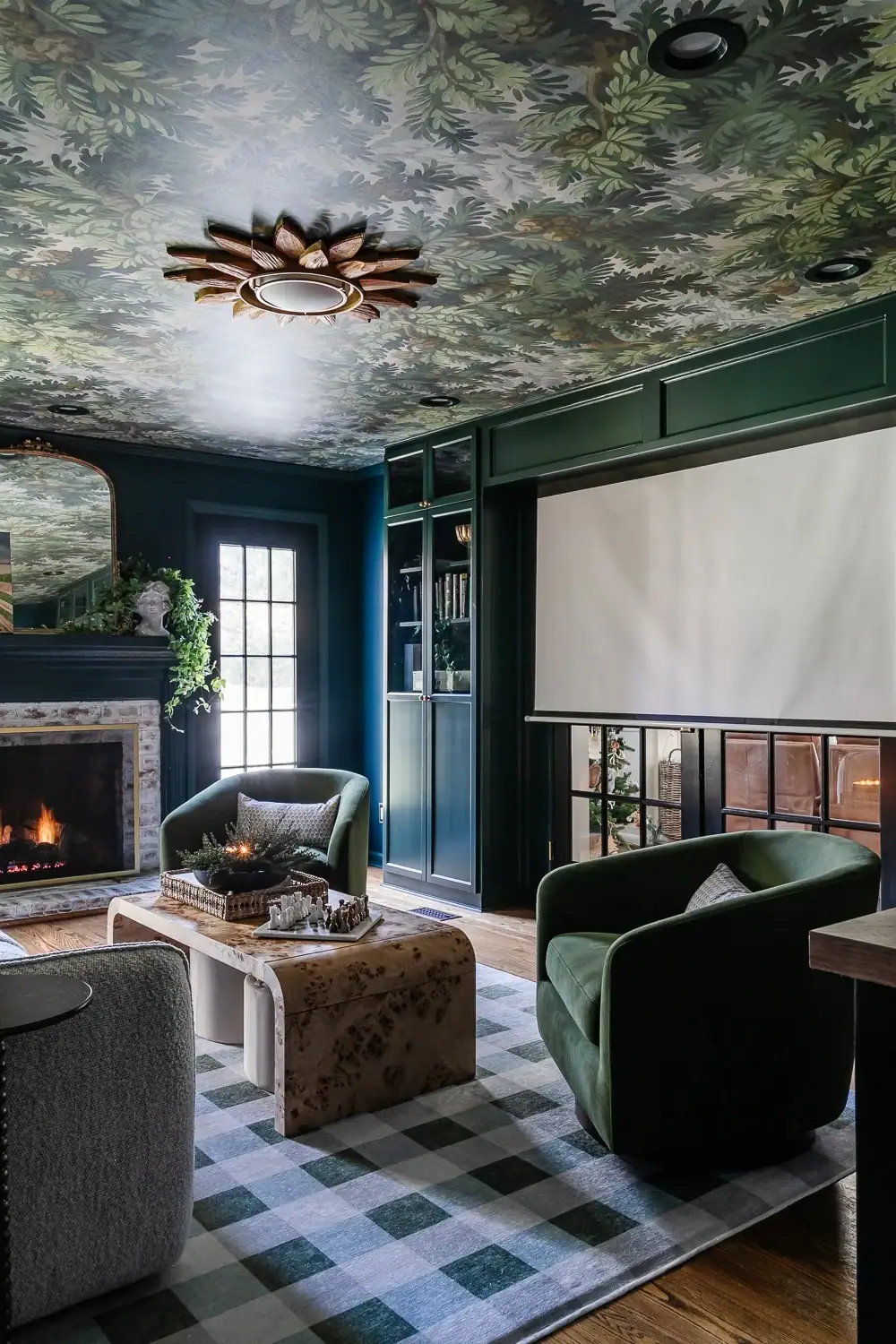
Creating a functional bonus room gives your family extra space for relaxing, working, entertaining, or enjoying favorite activities every single day at home.
I hope these bonus room ideas help you transform an unused area into a practical space that fits your lifestyle while making every square foot feel more useful.
Choosing the right layout, adding smart storage, decorating with purpose, and planning around your family’s needs all create a room that stays useful for years.
Simple updates, thoughtful furniture placement, and budget-friendly decorating choices make it easier to create a comfortable space that feels organized and inviting.
Use these tips and ideas to start planning your bonus room today and create a space your family will enjoy for many years ahead.