If your home feels cluttered and hard to manage, this home decluttering plan gives you a simple, room-by-room way to take back control.
Using practical decluttering ideas can help you stop feeling stuck and finally make steady progress without second-guessing every decision you make.
It is easy to feel frustrated when every space feels messy, especially when you do not know where to begin or what to tackle first.
You might have started decluttering before, but without a clear plan, things often pile back up and leave you feeling right back where you began.
So, I am going to walk you through a clear room-by-room approach that helps you focus on one space at a time so everything feels more doable.
I will also break down simple steps you can follow, so you are not trying to fix everything all at once in one exhausting day.
This post may contain affiliate links. As an Amazon Associate and a participant in other affiliate programs, I earn a commission on qualifying purchases at no additional cost to you.

Whether you have a few minutes or a full day, this guide to decluttering works with your schedule and helps you build a routine that keeps your home feeling calm.
Let me walk you through a clear system on how to declutter your entire house so your home feels easier to manage every single day.
Use these practical steps, simple habits, and realistic timelines to stay consistent without feeling burned out or overwhelmed.
Why You Need a Home Decluttering Plan (Not Just Motivation)
Motivation can help you get started, but it does not last long enough to carry you through an entire home without a clear and structured plan.
A home decluttering plan gives you direction so you are not wasting time deciding what to do next or jumping between spaces without finishing anything.
Without a plan, it is easy to move random items from one room to another, which makes your home look cleaner for a moment, but does not fix the problem.
When your space feels disorganized, it often leads to decision fatigue, especially when you are constantly choosing what to keep, move, or throw away.
A clear plan breaks your home into smaller sections so each task feels manageable instead of trying to handle everything all at once.
It also helps you stay focused on one area at a time, so you are not leaving half-finished projects that add more stress later.
With a plan in place, you start to see progress faster, and those small, quick wins help you build momentum that keeps you going.
This approach makes the entire process feel more controlled, instead of reacting to clutter every time it starts to pile up again.
Over time, following a plan helps you build a stronger decluttering muscle, so making decisions becomes easier and less stressful with each space you complete.
When you rely on a clear plan instead of motivation alone, you create lasting results that move you closer to a calm, more organized home.

What a Good Home Decluttering Plan Does for Your Space
A good home decluttering plan creates structure so your home no longer feels scattered, making it easier to move through each room with less stress.
Instead of guessing what to do next, you follow a clear order that helps you stay focused and avoid jumping from one unfinished space to another.
As you move through each area, your home slowly starts to feel lighter, and that shift helps reduce the mental load that clutter often brings.
You begin to notice that your space feels more open, even without adding anything new, because removing excess makes everything easier to see and use.
A clear plan also helps you deal with sentimental items in a more thoughtful way, instead of avoiding them or keeping everything out of guilt.
It encourages better habits by guiding you toward creating systems that keep your home organized instead of letting clutter slowly build up again over time.
When every item has a place, it becomes easier to maintain a clutter-free home without needing constant deep cleaning or large organizing sessions.
You also start to use your space more intentionally, especially in areas like the living room, where clutter can quickly affect how comfortable your home feels.
Over time, this process helps you build an organized home that supports your routine instead of working against it every single day.
With a clear plan, your home begins to feel more balanced, making everyday tasks simpler and helping you enjoy your space without constant frustration.
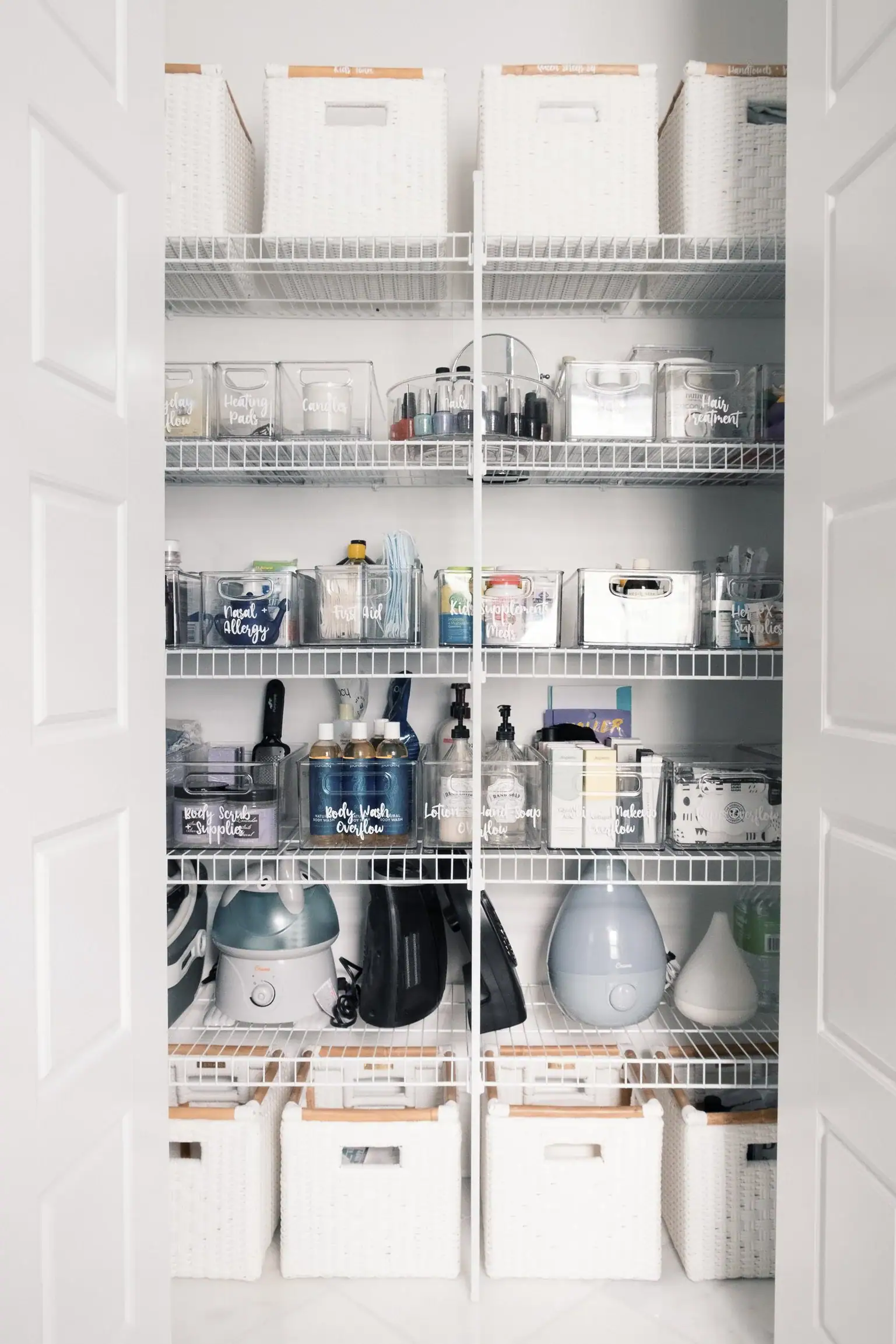
How to Create a Home Decluttering Plan That Actually Works
Start by looking at your home as a whole, then break it down into smaller areas so you are not trying to handle everything at once.
Choose a starting point based on what bothers you most, especially if one space constantly feels cluttered and affects your daily routine.
Keep your plan simple by focusing on one room or category at a time instead of jumping between spaces and leaving tasks unfinished.
Set a realistic schedule that fits your day, even if it is only fifteen to twenty minutes, so the process feels consistent instead of rushed.
Before you begin, decide how you will sort items into keep, donate, and discard piles so you are not making decisions without a system.
Use small organizing tools like drawer dividers to keep items contained, especially in areas where clutter tends to build up quickly.
Pay attention to areas that collect things over time, such as your medicine cabinet, so you can clear out expired or unused items regularly.
Adjust your plan depending on the size of your home and the amount of clutter, so you are not setting expectations that feel unrealistic.
If you feel stuck, follow simple guides like simple steps to declutter your home and to keep moving forward with confidence.
A plan that works is one you can repeat, so focus on building a routine that helps you maintain progress instead of starting over again later.

Tools and Supplies to Support Your Home Decluttering Plan
Using the right tools makes the process smoother and helps you stay consistent, especially when you are sorting, storing, and maintaining your spaces.
Choosing simple items can also help contain clutter and make it easier to return things to their proper place every day.
These are the items that make it easier to stay organized, keep things in their place, and stop clutter from building up again.
Tap Photos To Shop

The Best Home Decluttering Plan for Busy Schedules
A busy schedule does not mean you have to give up on getting your home in order… it just means your plan needs to be more flexible.
Instead of waiting for a full day to clean, focus on short sessions that fit into your routine so the process feels easier to maintain.
Even ten to fifteen minutes a day can make a difference when you stay consistent and focus on one small area at a time.
Start with tasks that are quick to finish so you can see progress right away, especially in areas that tend to collect clutter daily.
Spaces like the laundry room can be handled in small bursts, making it easier to clear surfaces and keep things from piling up.
Keep a small bin nearby so you can quickly gather items that do not belong in that room and return them later.
Break larger spaces into sections so you are not trying to complete everything at once, which helps reduce stress and keeps your energy steady.
If you have more time on weekends, you can follow plans like how to declutter your house in a weekend to move through bigger areas faster.
The key is to stay consistent instead of waiting for the perfect time, since small efforts done often lead to lasting results.
With a flexible approach, your home starts to feel more in control, even when your schedule stays full and unpredictable.

Would you like to save this post?
Step-by-Step Home Decluttering Plan by Room
A room-by-room plan works best when you follow the same steps in every space so you are not guessing what to do next.
Using a repeatable process helps you stay focused, avoid decision fatigue, and finish each room before moving on to the next one.
Follow these steps in every room so your home feels more organized without creating extra mess in other areas.
1. Living Room
Start by removing everything from visible surfaces like tables, shelves, and consoles so you can clearly see what is adding to the clutter.
Next, take out anything that does not belong in this room and place it in a separate bin to return later.
Sort what is left into keep, donate, or discard piles, focusing on items you actually use and enjoy in your daily routine.
Finish by placing items back with intention so your space feels open, functional, and easier to maintain every day.
2. Kitchen
Begin by clearing your countertops completely so you can reset the space and only bring back items you use regularly.
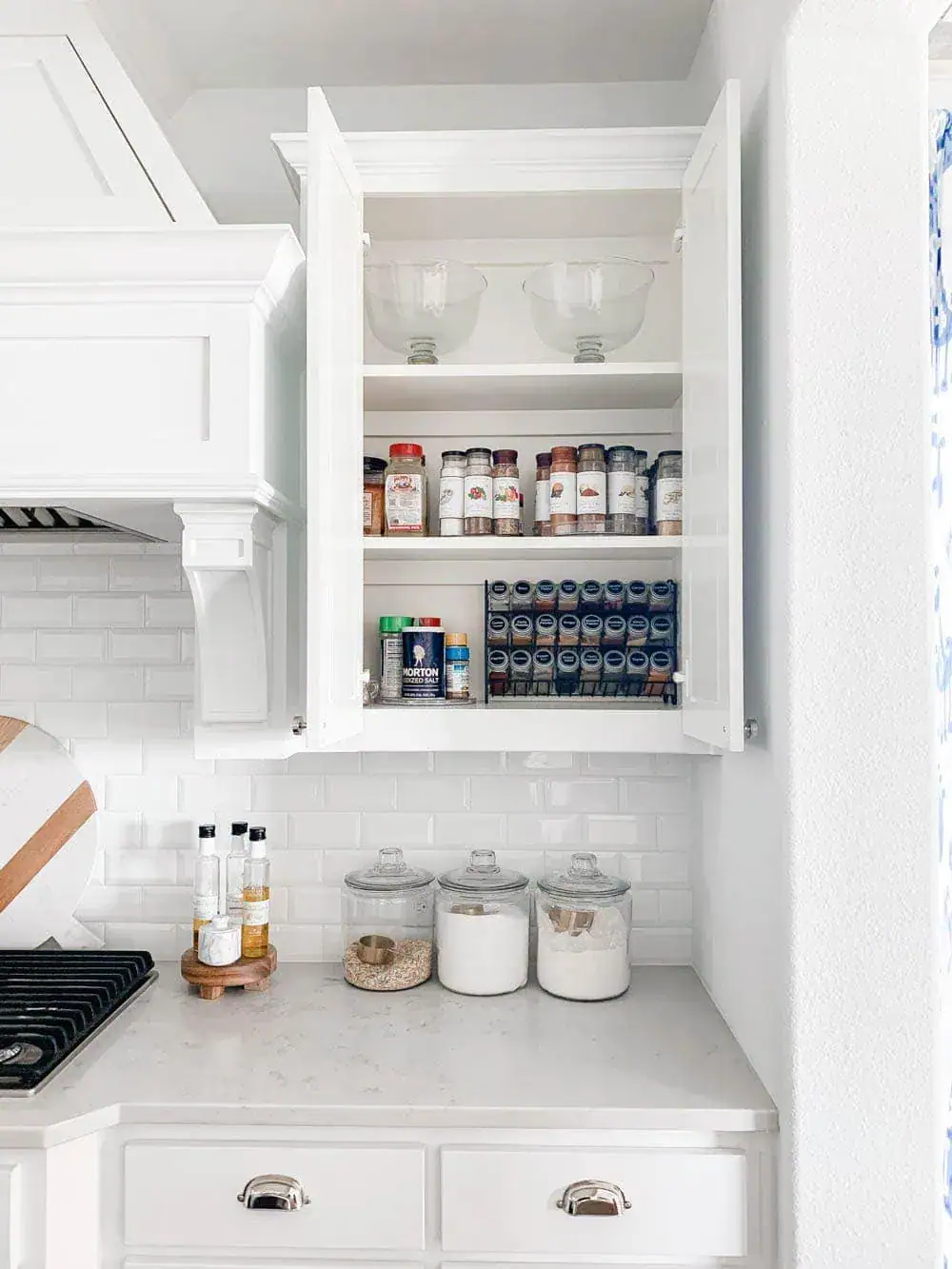
Go through drawers and cabinets one section at a time, removing duplicates, expired food, and tools that no longer serve a purpose.
Group similar items together so everything has a clear place, making it easier to find what you need when cooking or cleaning.
Knowing how to declutter your kitchen can help you make faster decisions, keep your space easier to maintain, and avoid clutter building up again over time.
3. Bedroom
Start with nightstands and dressers, removing items that create visual clutter so your space feels calmer and more restful.
Move on to clothing and sort everything into categories so you can clearly see what you wear and what you no longer need.
Let go of pieces that no longer fit your lifestyle and keep only what supports your daily routine and comfort.
Return items in a simple way that keeps your space peaceful and easy to maintain without constant rearranging.
4. Closets
Take out items in small sections instead of emptying everything at once, so the process stays controlled and less stressful.
Sort clothing and accessories into clear groups, then follow decluttering clothes tips to decide what truly belongs in your closet.
Remove anything you no longer wear and avoid keeping items just in case, since they often create unnecessary clutter over time.
Organize what remains so everything is easy to see and access, making it simpler to keep your closet in order.
5. Entryway
Begin by clearing all surfaces and removing shoes, bags, and loose items that tend to collect throughout the day.
Sort through what you actually use daily and set aside anything that belongs in another part of your home.
Create a simple drop zone for essentials so items have a place instead of being left on surfaces or the floor.
Keep this space minimal so it stays easy to maintain and sets a calm tone every time you walk into your home.
Weekly Home Decluttering Plan You Can Stick To
A weekly plan helps you stay consistent so your home does not slowly return to clutter after you finish your initial decluttering sessions.
Instead of trying to do everything at once, you spread tasks throughout the week so each day feels lighter and easier to complete.
This approach works well because it builds routine, making it easier to maintain progress without needing long hours or large cleaning sessions.
Start by assigning one or two small tasks each day so your schedule feels realistic and something you can actually keep up with.
For example, you can focus on surfaces one day, drawers another day, and small areas like linen closets later in the week.
Rotating through different spaces helps you stay engaged and prevents burnout from working on the same type of task repeatedly.
You can also use short time blocks to handle items like seasonal items, so they do not pile up or take over valuable storage areas.
As you stay consistent, your home begins to feel easier to manage, and each task feels more natural instead of something you avoid.
Over time, this routine helps your space feel more stable and keeps clutter from building up again in the areas you already finished.
When your plan feels realistic and easy to follow, it becomes part of your routine instead of something you have to force yourself to do.

How to Stay Consistent with Your Home Decluttering Plan
Staying consistent becomes easier when your plan fits your daily routine instead of feeling like a separate task you have to force into your schedule.
Focus on small actions you can repeat daily so your home stays under control without needing large resets every time clutter builds up again.
Remind yourself that consistency matters more than speed, since steady progress helps you maintain results without feeling tired or discouraged along the way.
Keep your sessions short and focused so each task feels doable, even on busy days when you only have a few minutes available.
When your space feels cluttered, use that as a signal to reset one small area instead of waiting until the entire room gets out of control.
Avoid trying to perfect everything at once, since that often leads to burnout and makes it harder to keep going long term.
If you ever feel unsure where to start or worried about making the wrong decisions, I’ve shared some decluttering tips for beginners before that can help you start small and build confidence.
Tracking your progress can also help, since seeing what you have completed makes it easier to stay motivated and continue forward.
Allow yourself to adjust your plan as needed so it works with your lifestyle instead of becoming something difficult to maintain.
When you already know how to declutter your home effectively, these small habits help you build a routine that keeps your home organized without needing constant effort or major cleanups.

Common Mistakes to Avoid with a Home Decluttering Plan
Even with a good plan or following the best organizing and decluttering tips, small mistakes can slow your progress and make your home feel harder to manage over time.
So, knowing what to avoid helps you stay focused and keeps your efforts from turning into more clutter or unfinished projects later.
These common mistakes are easy to fix once you recognize them, so you can move forward with more confidence and better results.
- Trying to organize before you declutter: Starting with organizing instead of removing items keeps clutter in your home, so focus on reducing what you own before setting up any systems.
- Keeping too many “just in case” items: Holding onto items you rarely use takes up valuable space, so keep what supports your routine and let go of things that no longer serve a purpose.
- Moving clutter from one room to another: Shifting items around instead of deciding what to do with them creates more work later, so sort everything into clear categories before putting anything back.
- Taking on too much at once: Trying to tackle your entire home in one day leads to burnout, so break your plan into smaller tasks that feel realistic and easier to complete.
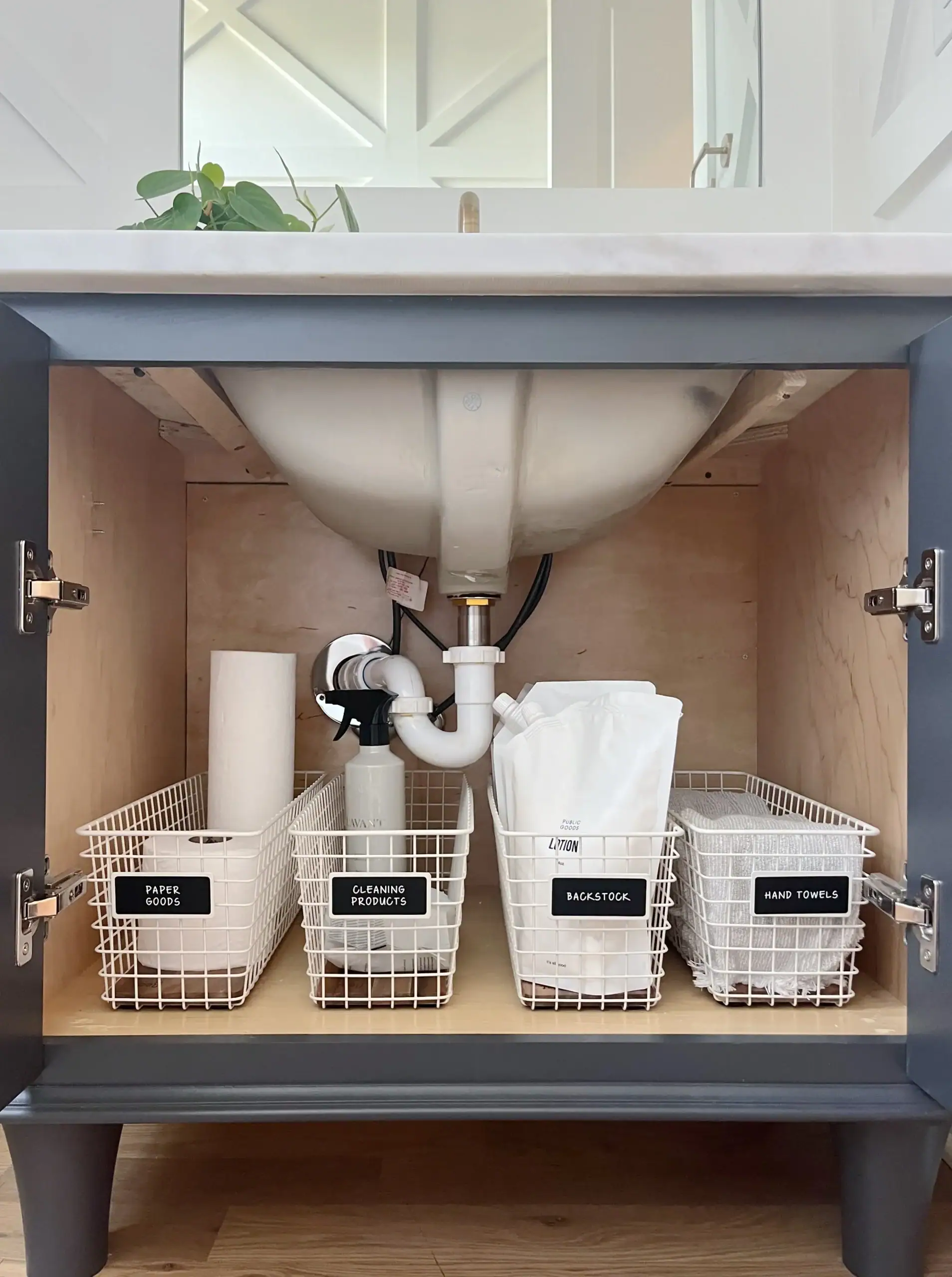
- Ignoring small spaces: Skipping areas like drawers or cabinets allows clutter to build up again, so include these spaces in your routine to keep your home fully organized.
- Not having a plan for donations or trash: Letting bags sit around adds to the mess, so schedule a drop-off or disposal time right after each decluttering session.
Frequently Asked Questions
What room should I declutter first?
Start with the space you use the most each day, since clearing it first creates immediate relief and makes your home feel easier to manage. Areas like the kitchen, bedroom, or entryway usually have the biggest impact, so starting there helps you build momentum and see results faster.
How do I start decluttering when I feel stuck?
Start with one small area like a drawer or surface so the process feels less intimidating and easier to complete in a short amount of time. Focusing on a single space helps you avoid overthinking and allows you to build confidence as you make steady progress.
Should I declutter or organize first?
Always declutter first so you are only organizing items you actually use, instead of creating systems for things that will eventually turn into clutter again. Once you remove what you do not need, organizing becomes easier because you are working with fewer items that truly belong in your space.
How long does it take to declutter a whole house?
The time it takes depends on your schedule and the amount of clutter, but most homes can be decluttered over several weeks with consistent effort. Working in short sessions helps you stay consistent and makes the process feel more manageable instead of trying to complete everything all at once.
What should I throw away when decluttering?
Throw away items that are broken, expired, or no longer usable so they are not taking up space in your home unnecessarily. This includes old paperwork, damaged items, and anything you have not used in a long time that no longer supports your daily routine.

Creating a home that feels calm and easy to manage starts with small decisions that help you take control of your space one step at a time.
Following a clear home decluttering plan makes it easier to stay consistent and turn your progress into lasting results you can maintain every day.
Start with one room or even one small area today, so the process feels simple and something you can actually follow through.
These steps help you stay organized, reduce stress, and create a space that supports your routine instead of working against you.
Save these steps to declutter your home so you can come back to it whenever you need a reset and keep your home feeling more balanced over time.