When your home feels too full, and every room feels harder to manage, these minimalist decluttering tips for beginners can help you start with simple, calming steps.
If your drawers, closets, and counters are packed with things you barely use, the best decluttering ideas can help you focus on what truly supports your daily life.
Clutter often builds up slowly until one day every drawer, counter, and closet feels harder to use, clean, and reset after a busy day.
You may look around and feel tired before starting because every pile feels tied to money spent, memories saved, unfinished plans, or choices you regret.
It gets even harder when things keep moving from room to room, but nothing really leaves your home or finds a useful place.
The good news is you do not need to become a strict minimalist to enjoy a home that feels lighter, calmer, and easier to clean.
You only need a simple plan that helps you keep what serves your routine and let go of what keeps crowding your rooms.
This post may contain affiliate links. As an Amazon Associate and a participant in other affiliate programs, I earn a commission on qualifying purchases at no additional cost to you.

I’m excited to share beginner-friendly, simple decluttering tips that make minimalist decluttering feel doable, gentle, practical, and easy to use in real homes.
This guide to decluttering will help you start small, make better choices, and build simple habits that keep clutter from taking over your home again.
Get ready to create a home that feels easier to breathe in, easier to clean, and better for the way you live every day.
What Minimalist Decluttering Actually Means
Minimalist decluttering means keeping the items that serve your life right now and removing the extras that crowd your space, routines, and daily peace.
It is not about having bare rooms, empty shelves, or a house that feels cold, stiff, and hard for your family to enjoy.
The goal is to make your home easier to use by keeping fewer items that still feel useful, meaningful, and right for everyday life.
Start by asking whether each item helps your daily routine, supports your family, saves time, or adds real comfort to your space.
If something only brings guilt, stress, extra cleaning, or more decisions, it may not deserve a permanent place inside your home anymore.
This works especially well for busy spaces because fewer items make counters, drawers, cabinets, and shelves easier to clean, reset, and maintain.
A simple minimalist home can still have pretty decor, cozy layers, and personal pieces, but each item should have a clear reason to stay.
The easiest way to begin is to notice what you reach for often, then let those choices guide what stays in each room.
Why Minimalist Decluttering Works Differently Than Regular Decluttering
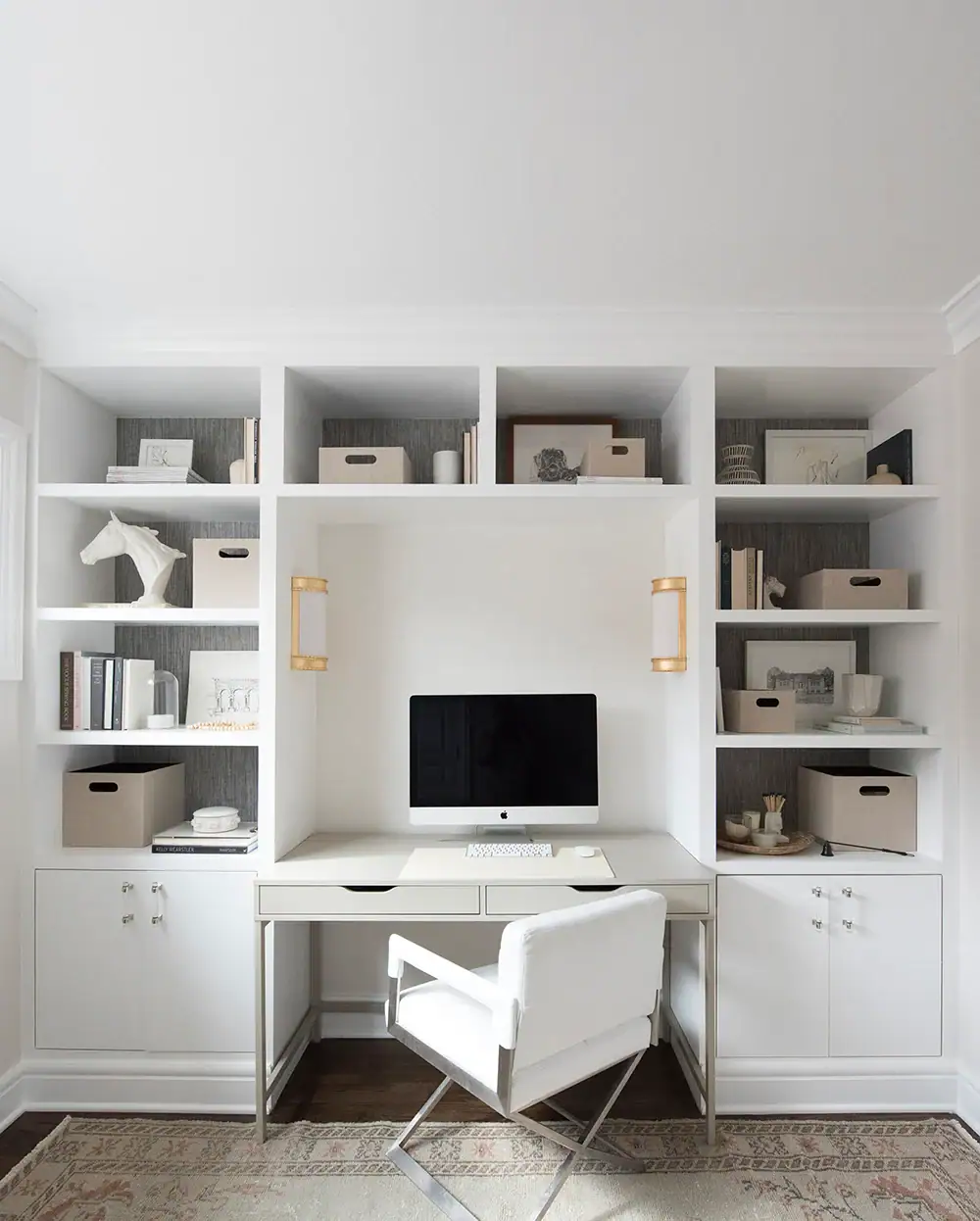
Minimalist decluttering works differently because it starts with your ideal daily life, not only with messy drawers, crowded closets, or packed storage spaces.
Regular decluttering often focuses on sorting piles, while minimalist decluttering asks why those items entered your home and whether they still belong there.
This helps you stop repeating the same cycle of cleaning, organizing, and watching clutter build back up again after every busy season.
Instead of asking where to store everything, ask what deserves space in your home and what no longer fits your life, routine, or priorities.
A good rule is to keep items you use often, love deeply, or need for a clear, current, and practical purpose.
This makes decisions easier because you are not trying to organize every extra item you have collected, saved, or forgotten over many years.
When your home holds fewer random pieces, you spend less time cleaning, searching, straightening, and feeling behind every single day.
Minimalist decluttering also helps you understand your buying habits, so you can stop bringing home things that quickly become clutter again.
It gives every room more breathing space because you are choosing items with purpose instead of keeping things out of guilt.
Over time, this approach makes your home feel calmer, more useful, and easier to reset after busy mornings, meals, and family routines.

What Every Beginner Needs to Do First Before Decluttering
Every beginner should choose one small area first, decide the goal, and prepare simple boxes before removing anything from that space.
Do not start with sentimental keepsakes, photo bins, or family heirlooms because those items require slower emotional decisions and more thoughtful sorting.
Begin with a drawer, bathroom cabinet, pantry shelf, nightstand, or laundry zone that you can realistically finish in one sitting.
Before you start, set up four simple spots for keep, donate, trash, and relocate so your decisions feel less scattered.
This is also a good time to learn how to declutter for beginners if you need a simple starting plan that feels realistic.
Write one sentence about how you want the space to work, like making mornings easier or keeping counters clear after dinner.
That one goal will help you make faster decisions when you feel tempted to keep every backup item just in case.
If you want a step-by-step plan, simple steps to declutter your home can help you move through each area with more confidence.
Keep your first session short enough to finish the area, see real progress, and avoid leaving another pile behind for later.
Once the space is clear, wipe it down before putting items back so the whole area feels fresh and easier to maintain.

Minimalist Decluttering Essentials for Beginners
You need a few minimalist decluttering essentials because they help your sorting process feel calmer, more focused, and easier to finish without extra stress.
Would you like to save this post?
The right setup gives every item a clear direction, so you are not left with random piles sitting around the room afterward.
Here are the things you need to help make the whole process feel more manageable, so you can move through each space with purpose, confidence, and fewer distractions.
Tap Photos To Shop

Room-Specific Minimalist Decluttering Tips That Actually Work
Room-specific minimalist decluttering works best when each space has one clear purpose and keeps only items that support how you use that space.
Start in the rooms you use every day, because small wins in busy spaces can quickly make your whole home feel easier to manage.
There are so many easy ways to declutter your home that can help you simplify each room without making the process feel complicated.
If you want fast wins, start with 10 things to declutter so you can find easy items to remove first before making harder decisions.
Start with items that already feel obvious, like trash, duplicates, broken pieces, expired products, and things you have not used recently.
Kitchen
The kitchen is usually the easiest place to spot what no longer belongs because expired food, duplicate tools, and unused gadgets stand out quickly. Try keeping only the items you reach for during normal meals so your counters, drawers, and cabinets feel easier to use every day.
Living Room
Your living room should feel easy to sit in, walk through, and reset at the end of the day without moving piles around. Clear away old magazines, extra baskets, broken toys, and decor that makes your surfaces feel crowded instead of calm and comfortable.
Bedroom
The bedroom can feel stressful fast when nightstands, dressers, and chairs start holding clothes, cups, receipts, and unfinished tasks. Start with the surfaces closest to your bed so the room feels more restful when you wake up and wind down.
Bathroom
Bathrooms work better when your daily products are easy to reach and the extras are not crowding every shelf or drawer. Toss empty bottles, expired products, old samples, and worn towels so your morning routine feels cleaner, quicker, and less frustrating.
How to Keep Your Home Clutter-Free After You Declutter
The best way to keep your home clutter-free is to create small daily habits that stop items from piling up again.
Decluttering only works long-term when your daily routines match the amount of stuff you choose to keep in your home.
Try a ten-minute reset each night and return items to their homes before clutter spreads into every room again.
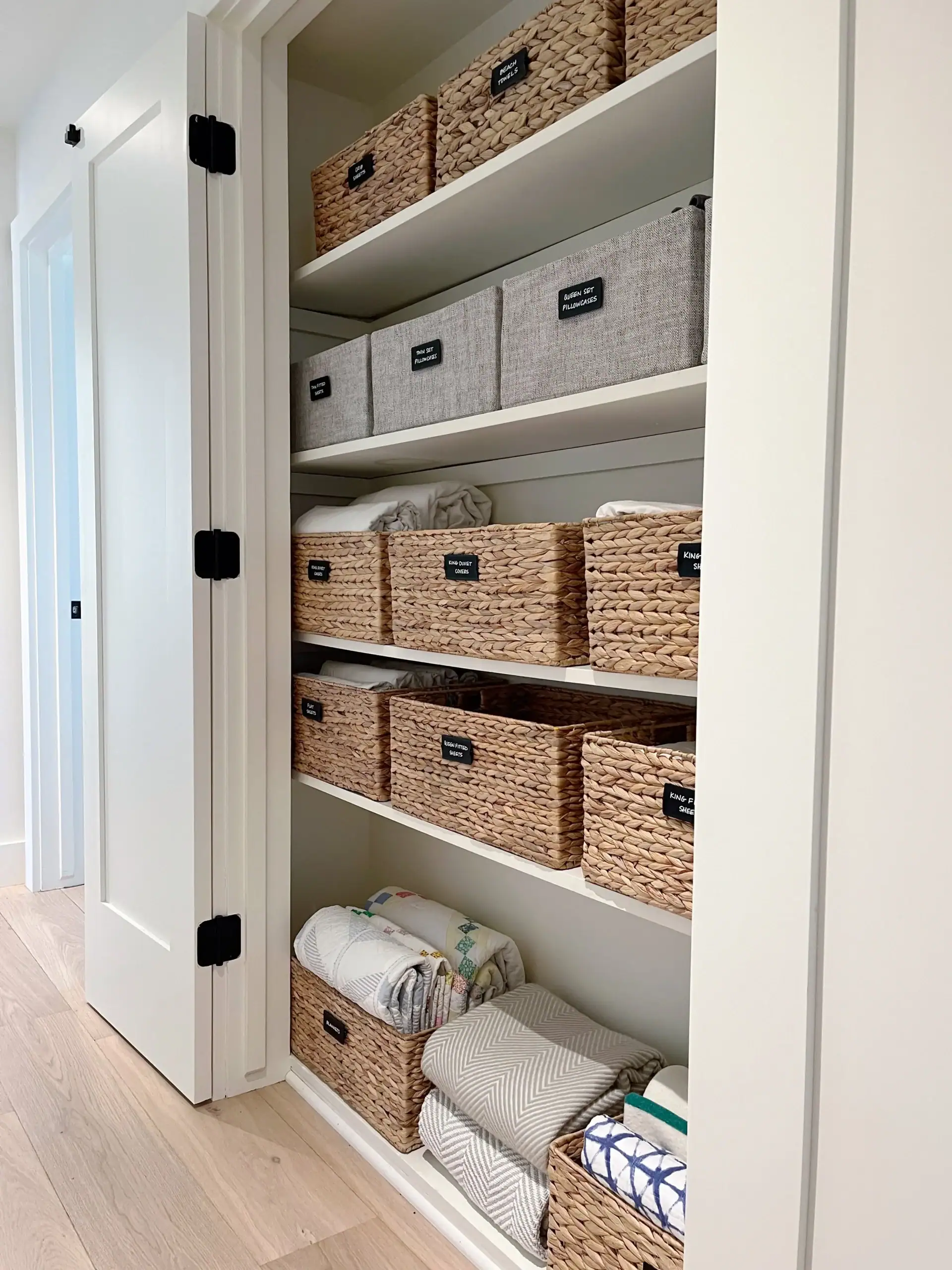
Keep one donation basket in a closet so unwanted clothes, toys, books, and decor can leave without another big project.
The one-in, one-out rule works well for clothes, mugs, toys, books, pantry items, and seasonal decor you often bring home.
If you bring something new home, choose one similar item to donate, toss, recycle, or pass along right away.
This habit keeps your storage from filling up again after you worked hard to create breathing room in your home.
There are seasons when you do not have time to declutter for hours, so I’ve got some decluttering tips for busy people that can help you make steady progress in small moments.
I also like quick weekly checks in the kitchen, bathroom, and entryway because these areas collect clutter faster than other spaces.
When the whole house needs a bigger reset, learning how to declutter your entire house can help you move room by room with a clearer plan.
Common Mistakes Beginners Make with Minimalist Decluttering
The most common beginner mistake is trying to declutter everything at once instead of finishing one small area first and building confidence slowly.
Big projects can make you tired quickly, while small finished spaces give you proof that real progress is possible inside your home.
Another mistake is starting with storage products before deciding what you actually want to keep, use, maintain, or remove from your space.
Pretty bins cannot fix clutter if they only help you hide items that already feel stressful, unnecessary, or hard to manage.
Many beginners also keep items because they were expensive, even when those items no longer serve their current life, routines, or priorities.
Money spent in the past cannot make an unused item useful today, so let your current needs lead each decluttering decision.
Do not punish yourself for past purchases, but learn what you no longer want to buy, store, clean, organize, or manage.
A final mistake is decluttering once and expecting your home to stay neat without simple weekly habits that keep clutter away.
Minimalist decluttering becomes easier when you treat it as a gentle routine, not a one-time weekend project that solves everything forever.

Frequently Asked Questions
What is the first step in minimalist decluttering for a complete beginner?
The first step is choosing one small area and deciding exactly how you want that space to work each day. Start with a drawer, shelf, or counter because quick progress builds confidence before you move into harder spaces.
How do I declutter when I feel too overwhelmed to start?
Start with only five items so your brain does not treat the whole house as one impossible project. Choose trash, duplicates, expired products, broken items, or things already waiting near the door for donation.
What should I get rid of first when starting minimalist decluttering?
Get rid of obvious clutter first, including trash, duplicates, expired products, broken items, and things you never reach for. These decisions are easier because they usually carry less emotion than keepsakes, gifts, photos, or childhood items.
How do I stop clutter from building back up after I declutter my home?
Stop clutter from building back up by giving every kept item a home and resetting busy spaces daily. A small donation basket, weekly surface check, and one-in, one-out rule will help your home stay easier to manage.
How many items should a minimalist beginner get rid of?
A minimalist beginner does not need to remove a certain number of items to make meaningful progress. Focus on removing anything that crowds your space, slows your routine, or no longer supports the way you live now.

Your home can feel calmer, easier to enjoy, and more supportive of your daily routine when every item has a reason to stay.
I hope these minimalist decluttering tips for beginners give you simple ways to clear space without making your home feel empty, cold, or too plain.
Start with one small drawer, one basket, or one surface today so your progress feels gentle, doable, and easy to continue.
Each choice helps you build a home that feels easier to clean, easier to use, and more peaceful during everyday family life.
So, use my tips and ideas when another room needs a fresh, simple, thoughtful reset that helps your whole home feel better.