If your home feels messy and hard to manage, this quick start decluttering guide will help you take control with simple steps that work for your daily routine.
These decluttering ideas will give you a clear way to begin without second-guessing every decision or feeling unsure about what to do next.
You might feel stuck staring at piles of things, unsure where to begin, or worried you will make a mistake you cannot fix later.
And I know how frustrating it can be when every space feels out of control, and even small things you want to do seem difficult because there is just too much to deal with at once.
That’s why I’m going to share a clear and simple process so you can start clearing your space without feeling confused or losing motivation halfway through.
Let me break it down into manageable steps so each small win builds momentum and helps your home feel calmer and easier to maintain.
Everything here is designed to be practical, easy to follow, and something you can start today without needing extra time or special tools.
This post may contain affiliate links. As an Amazon Associate and a participant in other affiliate programs, I earn a commission on qualifying purchases at no additional cost to you.

If you are ready to reset your space and finally feel more in control, these tips on how to declutter your entire house will help you begin with a plan that fits your lifestyle.
So, I’m going to walk you through a step-by-step approach to start decluttering without feeling stuck or unsure about your next step.
Use these practical methods, easy routines, and realistic ways to keep your home feeling more organized without adding extra stress to your day.
Why a Quick Start Decluttering Guide Is the Best Way to Begin
A quick start decluttering guide gives you a clear direction so you are not wasting time trying to figure out what to do first.
When you follow a simple plan, it becomes easier to take action instead of overthinking every item and feeling stuck before you even begin.
Most people struggle with clutter because they try to do too much at once, which quickly leads to frustration and unfinished spaces around the home.
Starting with a focused approach helps you build momentum, allowing little progress to turn into consistent habits that keep your space feeling more organized over time.
This method works well because it removes pressure and helps you focus on what matters instead of trying to make everything perfect right away.
You will also find that making quick decisions becomes easier when you follow a system that keeps you moving without second-guessing every choice.
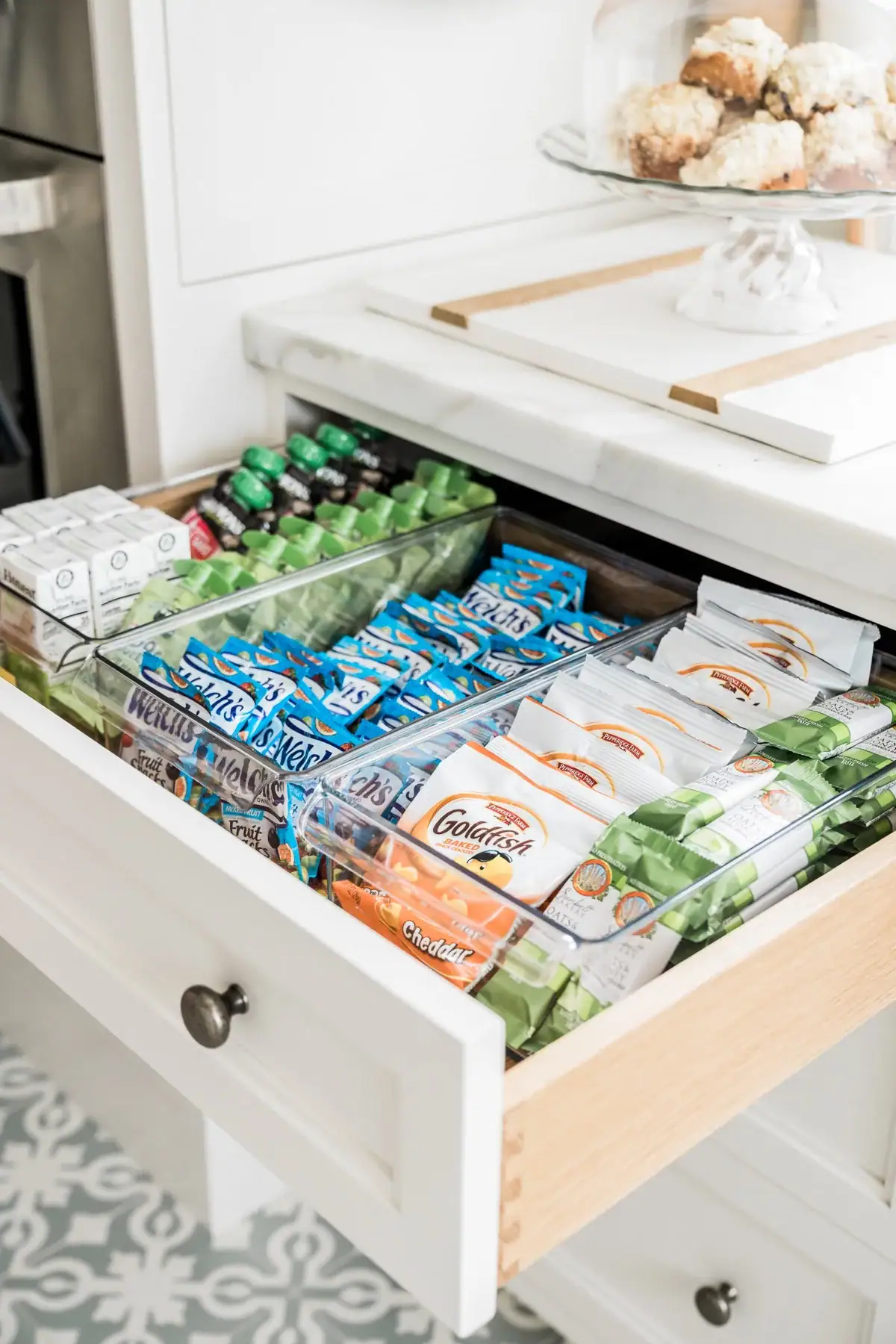
Even something as simple as clearing out a junk drawer can help you see how small wins create a sense of progress that motivates you to keep going.
As you continue, your home will slowly shift into a more clutter-free space that feels lighter, calmer, and much easier to maintain every day.
Instead of feeling like decluttering is a big project, this approach turns it into something manageable that fits into your routine without taking over your time.

What to Do First: Quick Start Decluttering Guide Basics
The first step in any decluttering tips for beginners is choosing one small area so you can focus without getting distracted by everything else around you.
Starting small makes it easier to see progress quickly, and that visible change helps you stay motivated instead of feeling like nothing is improving.
Pick a space that you use often, such as a countertop, drawer, or corner, so the results feel useful right away in your daily routine.
Before you begin, take a few minutes to remove everything from that space so you can clearly see what you actually have to work with.
Once everything is out, group similar items together because this helps you understand how much you own and makes decisions easier to manage.
As you sort, ask yourself simple questions like whether you use the item often or if it still fits your current needs and lifestyle.
If something has not been used in a long time or no longer serves a purpose, it is usually a clear sign that it can be removed.
Try to make decisions quickly instead of overthinking, since hesitation often leads to keeping items that continue to add unnecessary clutter.
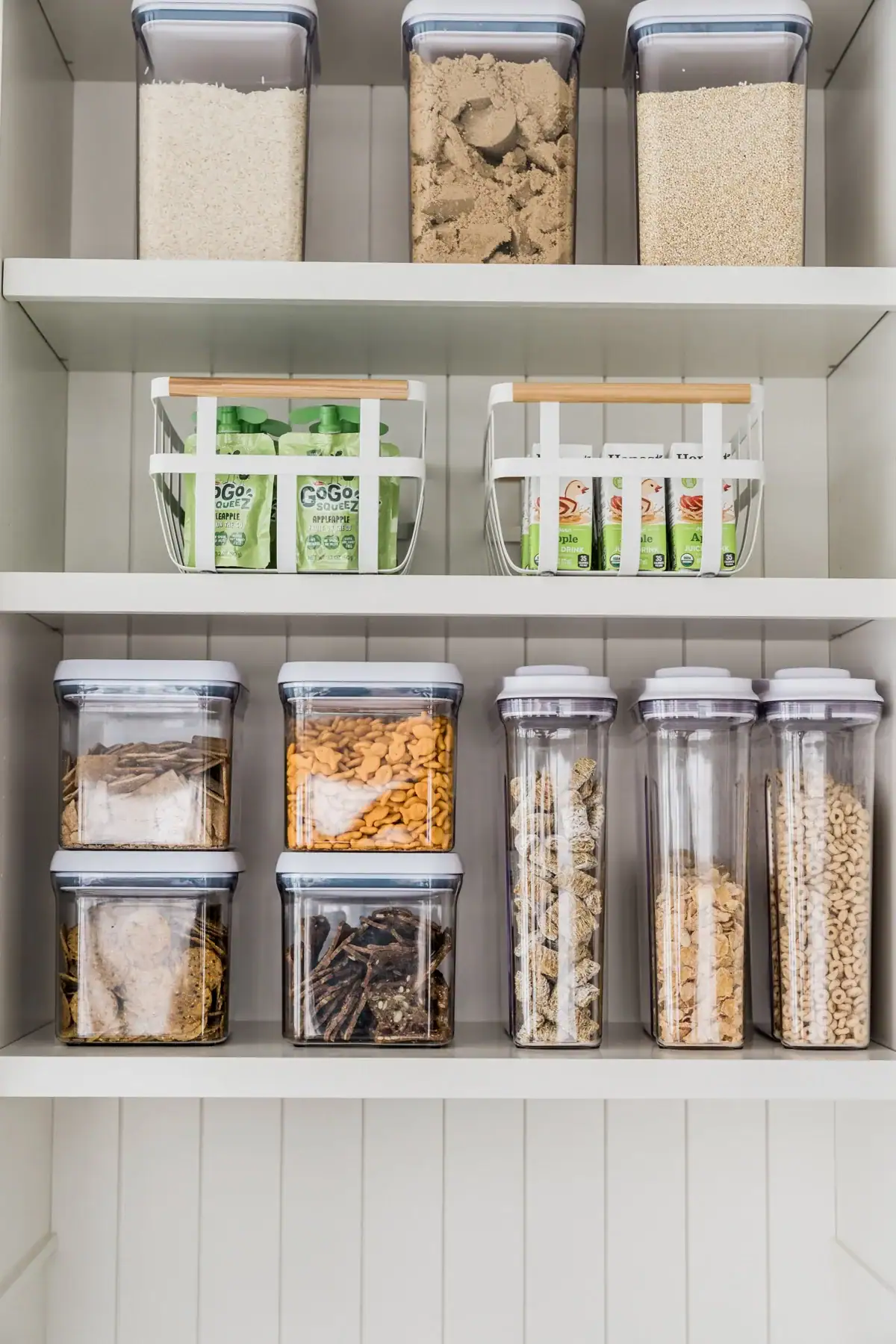
When you finish, only return the items you truly use and give each one a clear place so it stays organized moving forward.
Quick Start Decluttering Guide: The 15-Minute Method
The 15-minute method is one of the easiest ways to follow a quick decluttering plan because it removes pressure and makes starting feel simple.
Instead of waiting for a full day to clean, you focus on short bursts of time that fit into your schedule without feeling like a major commitment.
Set a timer for fifteen minutes and choose one small area so you can stay focused and avoid jumping from one space to another.
During that time, work quickly by removing obvious clutter first, such as trash, duplicates, or items you already know you do not need.
This approach keeps your energy up because you are not trying to make every decision perfect; you are simply making steady progress.
If you feel stuck, shift your focus to easy wins so you keep moving instead of slowing down and losing momentum halfway through the session.
Once the timer ends, stop and look at what you accomplished so you can see real progress, even if the space is not fully finished yet.
You can repeat this method throughout the day or week, turning small sessions into noticeable results without feeling like decluttering takes over your time.
Over time, these short sessions build into a routine that helps you maintain a clean space without needing to start over again later.
Quick Start Decluttering Guide Tools You’ll Actually Use
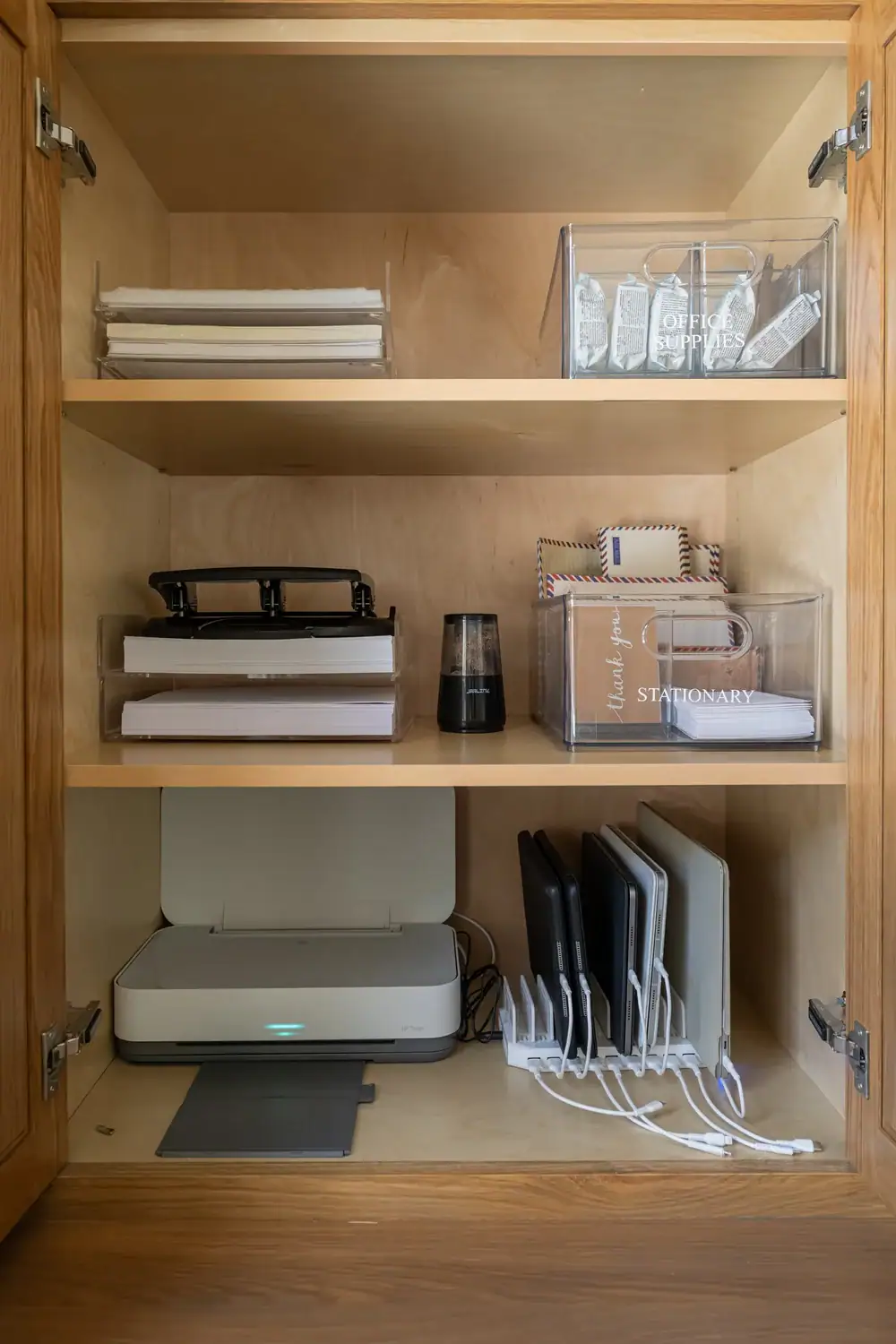
Using the right tools makes your home decluttering easier to follow because everything you need is within reach while you sort and organize.
So here are some tools you can use every day that help you move faster and keep everything grouped, so you are not constantly stopping to figure things out.
Having these items ready also helps you stay consistent, making it easier to keep your space organized after you finish each decluttering session.
Tap Photos To Shop

Quick Start Decluttering Guide by Category (Not Just Room)
A quick start decluttering works better when you sort by category instead of room because similar items are easier to compare and organize together.
Would you like to save this post?
This approach helps you see how much you actually own, making it easier to decide what to keep and what no longer fits your space.
When you focus on one category at a time, you avoid moving clutter from one room to another without making real progress.
It also saves time because you are not repeating the same decisions in different spaces, which can slow you down and make decluttering feel harder.
Working this way creates a clearer system that keeps your home more organized and easier to maintain after you finish each session.
Clothes
Start with your clothes since they are often one of the biggest sources of clutter and are easier to sort compared to other household items.
Lay everything out so you can see what you own, then group similar pieces together to make decisions faster and more clearly.
Keep items you wear regularly and feel comfortable in, and remove anything that no longer fits your lifestyle or sits unused in your closet.
Papers
Paper clutter builds up quickly, so gather everything in one place before deciding what needs to be kept, filed, or thrown away.
Focus on important documents first, then remove outdated papers, duplicates, and anything that no longer needs to take up space in your home.
Keeping papers organized in simple folders or containers helps you avoid piles from building up again in the future.
Kitchen Items
Kitchen clutter often hides in cabinets and drawers, so start by pulling everything out and grouping similar items together for easier sorting.
Remove duplicates, unused tools, and anything that no longer serves a purpose so your kitchen feels easier to use every day.
Keeping only what you actually use helps your kitchen stay organized and makes cooking or cleaning feel less stressful over time.
Miscellaneous Clutter
This category includes items that do not have a clear place, so gather them together to see what is actually worth keeping.
Sort through each item quickly and decide if it belongs somewhere specific or if it is something you no longer need in your space.
Giving these items a clear home or removing them helps prevent clutter from spreading into other areas of your home.

Easy Decluttering Tips to Keep You Moving
Keeping your momentum is one of the most important parts of any simple decluttering guide because consistency matters more than trying to do everything perfectly.
When you focus on small actions each day, decluttering starts to feel like a normal part of your routine instead of a task you keep putting off.
Try setting a short timer each day so you can stay focused without feeling like you need to spend hours cleaning your entire space.
It also helps to keep a donation bag nearby so you can quickly remove items instead of letting them sit and pile up again.
If you start to feel stuck, switch to a different area so you keep moving instead of losing motivation and stopping completely.
You can also follow simple steps to declutter your home by focusing on one category at a time instead of jumping between rooms without finishing anything.
Another helpful approach is learning how to quickly declutter your home by removing obvious clutter first before making harder decisions about what to keep.
Remind yourself that progress does not need to be perfect, because small changes add up and help your space feel better over time.
As you build this habit, you will find it easier to stay organized and keep your home feeling calm without needing to start over again.
Common Mistakes in a Quick Start Decluttering Guide
Even with a simple plan, small mistakes can slow your progress and make decluttering feel harder than it needs to be over time.
Most of these mistakes happen when you try to do too much at once or hold on to items that no longer fit your needs.
Knowing what to avoid will help you stay focused, make better decisions, and keep your space moving toward a more organized and manageable setup.
- Trying to declutter everything at once: This often leads to burnout, so focus on one small area at a time to keep your energy steady and your progress consistent.
- Keeping items “just in case”: Holding on to things you rarely use adds unnecessary clutter, so keep only what you truly need and use regularly.
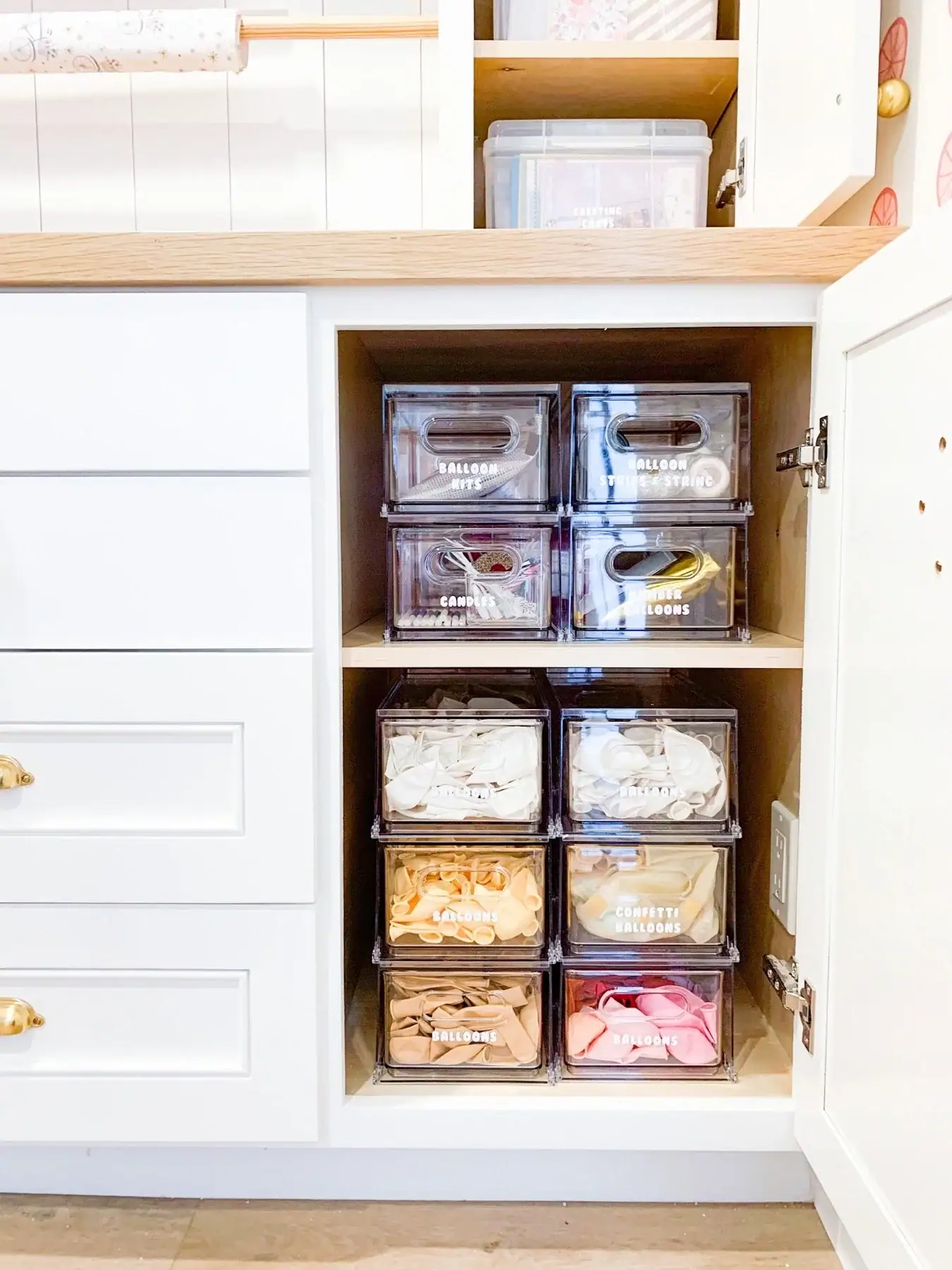
- Not having a system in place: Without a simple plan, items tend to pile back up, so give everything a clear home after you finish sorting.
- Overthinking every decision: Spending too much time deciding slows you down, so trust your first instinct and keep moving to maintain your momentum.
- Skipping regular maintenance: Decluttering once is not enough, so build small daily habits that help you keep your space organized without needing to start over again.

Quick Start Decluttering Checklist for Immediate Action
Having a simple checklist makes your beginner decluttering easier to follow because you know exactly what to do without stopping to think.
This approach keeps you focused and helps you take action right away instead of delaying the process or feeling unsure about your next step.
Use this checklist as a starting point so you can begin immediately and build momentum with clear, manageable actions that fit into your day.
- Choose one small area to start: Picking a single space helps you stay focused and makes it easier to complete a task without feeling distracted or overwhelmed.
- Remove everything from that space: Clearing the area completely lets you see what you have and makes sorting items faster and more effective.
- Sort items into simple groups: Create categories like keep, donate, and throw away so you can make quick decisions without overthinking each item.
- Get rid of obvious clutter first: Start with trash, broken items, or duplicates so you can make fast progress and build confidence right away.
- Return only what you use regularly: Putting back only useful items helps your space stay organized and prevents clutter from building up again.
- Set a short timer and begin: Working in short time blocks helps you stay consistent and keeps decluttering from feeling like a long or exhausting task.
Frequently Asked Questions
How long does it take to declutter a whole house?
Decluttering a whole house can take anywhere from a few days to several weeks, depending on how much you own and how much time you set aside. Working in short sessions each day helps you stay consistent and makes the process feel more manageable instead of trying to finish everything all at once.
What should I throw away when decluttering?
Start by throwing away broken items, expired products, and anything you have not used in a long time or no longer need in your space. If something does not serve a clear purpose or fit your current lifestyle, it is usually a sign that it is time to let it go.
How do I keep clutter from coming back?
Keeping clutter from returning means building simple habits like putting items back after use and regularly removing things you no longer need. Following organizing and decluttering tips can also help you maintain a system that keeps your space feeling clean and easy to manage.
What is the easiest decluttering method for beginners?
The easiest method for beginners is starting small and focusing on one category at a time so you can make quick decisions without feeling stuck. Using simple routines like short timed sessions helps you stay consistent and makes decluttering feel less difficult to keep up with.
How do I declutter one room fast?
To declutter one room fast, focus on removing obvious clutter first, then group similar items together so you can sort everything quickly and clearly. Working in short time blocks and sticking to simple decisions helps you finish faster while still making meaningful progress in your space.

You deserve a home that feels calm, organized, and easy to live in without feeling like you are constantly trying to catch up every day.
I hope this quick start decluttering guide gives you a clear way to begin, helping you take simple steps that make your space feel lighter and easier to manage.
Start with one small area today and follow the steps you learned so you can build momentum without feeling stuck or unsure about what to do next.
As you keep going, these simple habits will help you stay consistent and make it easier to maintain a home that feels clean and organized.
Use these tips and the checklist anytime you need a reset so you can stay on track and keep your space feeling under control!