If you have tried clearing your space before but nothing really sticks, these decluttering methods will help you follow a clear system that actually works.
Using simple decluttering ideas can make the process feel easier because you are not guessing what to do next or where to begin.
It can feel frustrating when you clean for hours, yet your home still looks the same because there is no clear method guiding your decisions.
You might even hold onto things longer than you want because you are unsure what stays, what goes, and how to make those choices confidently.
That is why having a structured approach matters, since it helps you move through your space with purpose instead of feeling scattered or stuck.
So, let me share some simple decluttering tips that help you stay focused and make steady progress without overthinking every step, whether you have a busy schedule or limited time each day.
I’m also going to break down how each method works so you can choose one that feels simple and realistic to maintain in the long run.
This post may contain affiliate links. As an Amazon Associate and a participant in other affiliate programs, I earn a commission on qualifying purchases at no additional cost to you.

This guide to decluttering will help you make better decisions to clear your space with confidence and stop holding onto things that no longer serve your home.
I’m excited to share practical ways to use these methods in your everyday routine, so you always know what to do next without feeling stuck halfway through the process.
So, use these organizing and decluttering tips to create a space that feels easier to manage and stays organized over time.
Why Using the Right Decluttering Method Makes All the Difference
Using the right decluttering techniques helps you stay focused because you are not randomly deciding what to keep or remove as you go.
When you follow a clear system, every decision becomes easier since you already know the rules you are working with in each space.
Without a method, it is easy to move things around without making real progress, leaving your home looking the same after hours of effort.
A structured approach also saves time because you are not stopping to rethink every item, which helps you move through each area more efficiently.
Different methods work for different people, so choosing one that fits your routine makes it easier to stay consistent instead of starting over repeatedly.
For example, some methods focus on categories like clothes, books, and paper, while others focus on time limits or specific areas in your home.
There are also approaches that help you decide what to keep based on how you feel about your belongings, especially when dealing with sentimental items.
When you use a method that matches your habits, it becomes easier to keep your space organized instead of falling back into clutter again.
Over the long term, this creates a routine that feels natural, allowing you to maintain a clean and manageable home without needing to reset everything.

The Best Decluttering Methods to Try at Home
There are so many ways to declutter, but the key is finding one that feels simple enough to follow and easy to repeat, especially if you are still learning how to declutter your entire house.
Each method works a little differently, giving you options based on how you like to make decisions, how much time you have, and how your home is set up.
Some approaches focus on quick wins, while others help you go deeper so you can create lasting change instead of temporary results.
You do not need to try everything at once, because choosing one method and sticking with it will help you build momentum faster.
So, let me break down the best decluttering methods and how each one works so you can choose a starting point that fits your routine and keeps you moving forward.
The KonMari Method
The Konmari method focuses on keeping only item that sparks joy, helping you build a space that feels intentional instead of filled with things you do not use. You go through your home by category instead of room, starting with items like clothing before moving into more personal belongings that take more time to decide. This technique works well if you struggle with emotional attachment because it shifts your focus from what to remove to what you truly want to keep.
The Four-Box Method
The four-box method helps you make quick decisions by sorting items into four categories: keep, donate, trash, or relocate to another area. This approach works well when you feel stuck because it gives you clear choices, making it easier to move through your space without overthinking. It is helpful for larger areas where you need a simple system to keep everything organized while you declutter.
The 10-Minute Daily Method
The 10-minute daily method focuses on short sessions, making it easier to fit decluttering into your routine without setting aside large blocks of time. By working in small bursts, you can stay consistent and avoid burnout, especially if your schedule feels busy or unpredictable most days. Over time, these short sessions add up, helping you create steady progress without feeling like you need to finish everything at once.
The 90/90 Rule
The 90/90 rule helps you decide what to keep by asking if you have used an item in the last 90 days or plan to use it soon. If the answer is no, it may be time to let it go, making this method helpful for clearing out items that no longer serve a purpose. This technique works well if you struggle with emotional attachment because it shifts your focus from what to remove to what you truly want to keep.
The Minimalist Game
The minimalist game turns decluttering into a simple challenge where you remove one item on day one, two items on day two, and continue building from there. This method adds structure while keeping things engaging, which can help you stay motivated as you work through different areas of your home. It works well if you enjoy small goals and want a method that keeps you consistent without feeling repetitive or boring.

How to Choose the Best Decluttering Method for Your Lifestyle
Choosing the right decluttering routines depends on how you naturally make decisions and how much time you can realistically set aside each day.
If a method feels too complicated or time-consuming, it becomes harder to stay consistent, which can lead to unfinished projects and clutter building up again.
Think about whether you prefer quick sessions or longer, focused time, because this will help you choose a method that fits your routine.
Some people do better with structured systems, while others need something flexible that allows them to work at their own pace without pressure.
Your space also matters, since smaller areas may benefit from time-based methods, while larger homes often need category or zone-based approaches.
If you struggle with letting things go, methods that focus on decision-making can help you feel more confident about what to keep and what to remove.
You can also start with a simple approach and adjust as you go, instead of trying to follow one method perfectly from the beginning.
The goal is to find something that feels manageable, so you can build a routine that keeps your home organized without needing to restart often.
When your method fits your lifestyle, it becomes easier to stay consistent and keep your space clear without feeling like it is a constant task.

Essential Items You Need for Decluttering
Getting prepared before you start makes a big difference because it helps you move through your space without stopping or losing focus halfway through the process.
So, having the right items for sorting and organizing helps you stay efficient and keep everything grouped as you make decisions.
Here are some of the essential items you need to help you stay on track and make the decluttering process feel easier from start to finish.
Tap Photos To Shop
The 15-Minute Decluttering Method for Quick Wins
The 15-minute decluttering technique is a simple way to make progress without needing a full day to clean or organize your entire space.
This approach focuses on short, focused sessions, allowing you to work through small areas without feeling like you have to finish everything at once.
Setting a timer helps you stay focused, making it easier to avoid distractions and complete a specific task within a limited amount of time.
You can choose one drawer, one shelf, or one small section, which makes the process feel more manageable and easier to start.
Working in short bursts also reduces burnout, especially if you tend to lose motivation when tasks feel too big or time-consuming.
Eventually, these small sessions add up, helping you clear more space without feeling like you are constantly cleaning or starting over.
This method works well for busy schedules because you can fit it into your day without rearranging your entire routine.
It also helps you build consistency, turning decluttering into a regular habit instead of something you only do when things feel out of control.
As you continue, you will start to see steady progress, which makes it easier to stay motivated and keep going.
Would you like to save this post?
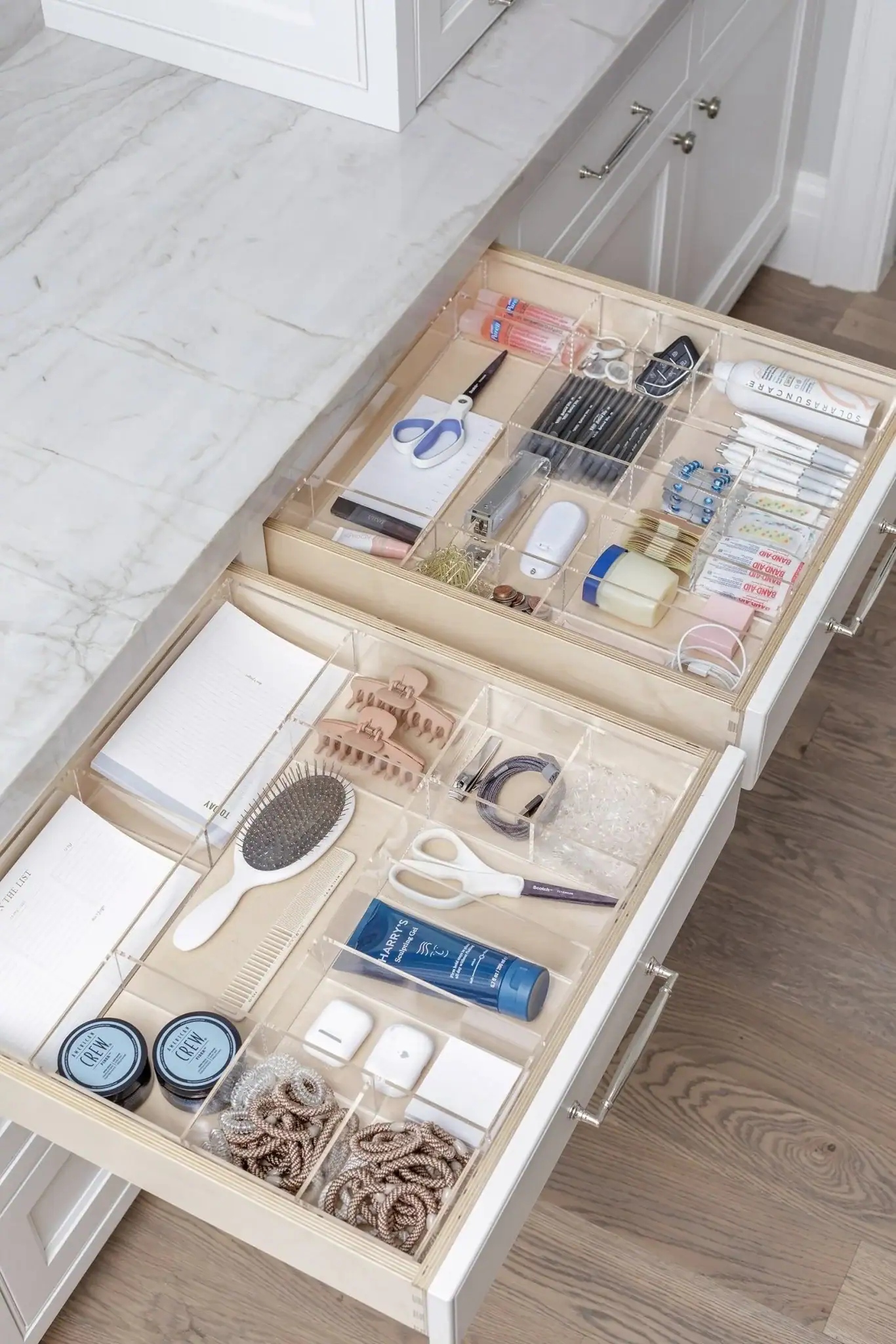
Tips to Keep Your Home Clutter-Free After You Declutter
Keeping your home clutter-free becomes much easier when you build simple habits that support the work you have already done.
Start by putting things back in their place right after using them, so clutter does not slowly build up again gradually.
It also helps to check your space regularly, even for a few minutes, so you can catch small messes before they turn into bigger ones.
Staying consistent with small resets makes a big difference because you are maintaining your space instead of waiting until it feels out of control again.
You can also set limits for what you bring into your home, which helps prevent new clutter from replacing what you just removed.
Being more mindful about purchases allows you to keep only what you truly use, making your space easier to manage every day.
If something no longer fits your needs, let it go sooner rather than later so it does not sit unused and take up space.
Creating a simple routine that fits your lifestyle makes it easier to stay organized without needing to do a full reset often.
In the end, these habits become part of your daily routine, helping your home stay clean, functional, and easy to maintain.

The One Room at a Time Decluttering Method
The one room at a time decluttering method helps you stay focused by working through one space completely before moving on to another area.
This approach makes the process feel more manageable because you are not jumping between rooms or leaving multiple areas unfinished at the same time.
Start by choosing one room and committing to finishing it, even if you break it down into smaller sections over several days.
Working this way allows you to see visible progress faster, which helps you stay motivated and continue with the rest of your home.
It also gives you a clear stopping point, so you are not left with half-finished spaces that can feel just as stressful as clutter.
You can begin with a smaller room if you want a quick win, or start with a space you use daily so the results feel more immediate.
This strategy works well if you prefer structure because it gives you a clear plan without needing to think about your entire home at once.
As you complete each room, it becomes easier to move on to the next one with more confidence and a better understanding of your process.
Working one room at a time helps you create a home that feels organized without the stress of trying to do everything all at once.

The “One In, One Out” Decluttering Method for Maintenance
If you find that clutter keeps coming back after you clean, the one in, one out decluttering method helps you maintain balance and keep your space under control.
Each time you bring in something new, you remove a similar item, which keeps your space from slowly filling up again over time.
This decluttering system works well for everyday items because it creates a simple habit that is easy to follow without needing extra time or effort.
It also helps you become more mindful about what you bring into your home, since every new item requires you to let something else go.
This makes it easier to keep only what you use and enjoy, instead of holding onto things that no longer serve a purpose.
You can apply this method in different areas like clothing, kitchen items, or decor, depending on where clutter tends to build up.
It is a practical way to maintain your progress after you have already cleared your space using other decluttering methods.
By keeping this habit consistent, you can prevent clutter from returning and avoid needing to start over again in the future.
This technique supports long-term organization by helping you stay aware of what you own and how it fits into your daily routine.
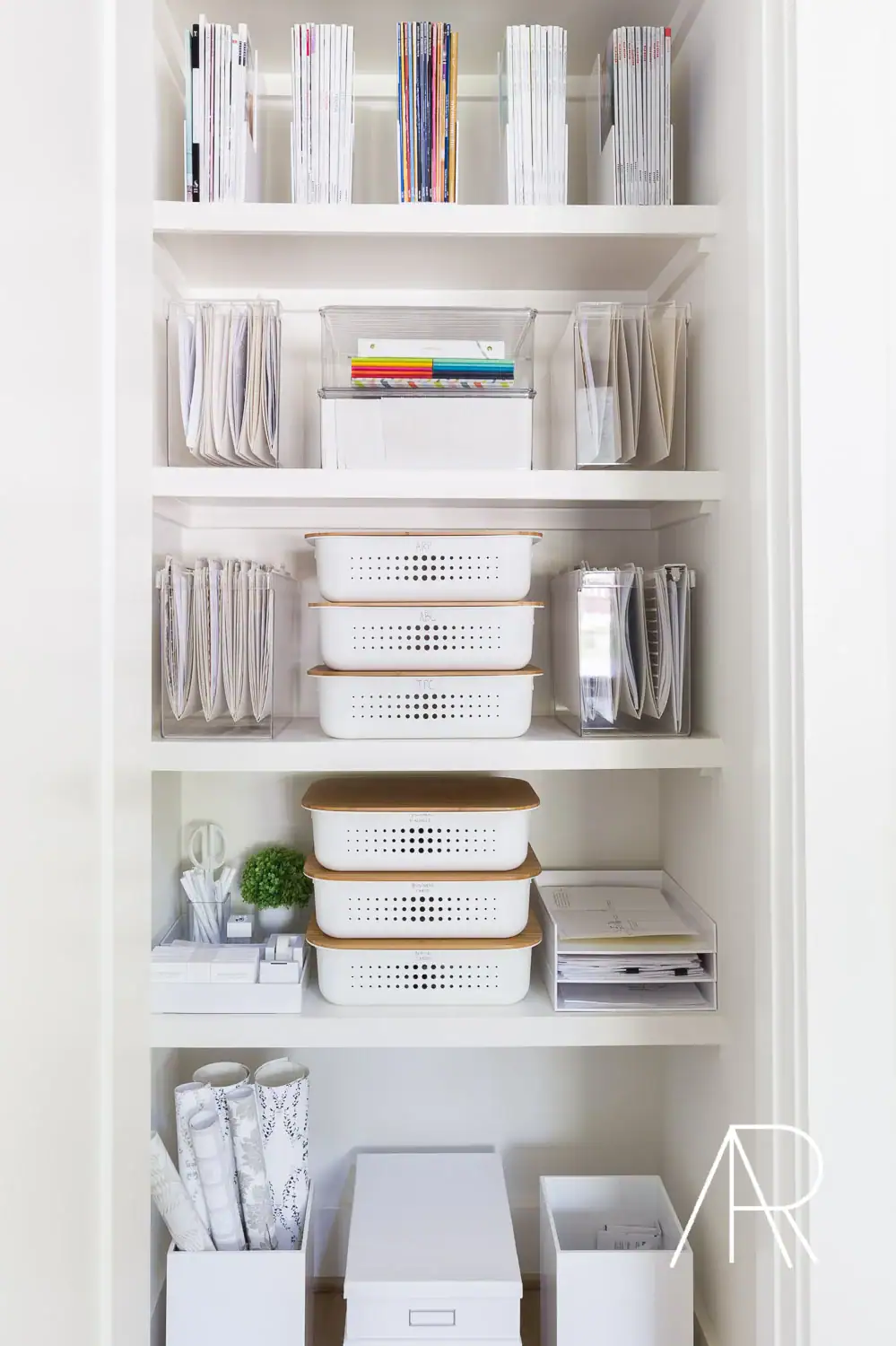
The Four-Box Decluttering Method Explained
If you feel stuck trying to decide what to do with your belongings, the four-box decluttering method gives you a simple system to sort everything with clarity.
This decluttering idea works by assigning every item to one of four categories, helping you make decisions faster without going back and forth on what to do next.
Instead of creating piles that sit untouched, you are actively placing each item into a clear category as you go through your space.
This approach helps reduce decision fatigue because you are following a set structure instead of thinking through every item from scratch.
It also keeps your space more organized during the process, since everything is sorted right away instead of being left in mixed groups.
You can use this method in any room, making it flexible enough to handle both small areas and larger spaces that need more attention.
Working through one section at a time allows you to stay focused and avoid feeling like everything needs to be done at once.
As you continue, it becomes easier to trust your decisions because you are consistently following the same system throughout your home.
Eventually, this method helps you build a habit of making quicker, more confident choices about what stays and what goes.

How to Combine Decluttering Methods for Better Results
Using just one method can work, but combining different decluttering methods often gives you better results because each space in your home has different needs.
You can start with short sessions for busy days and switch to longer, focused time when you want to tackle larger areas that need more attention.
Mixing time-based methods with category-based approaches helps you stay flexible while still following a clear structure that keeps you moving forward.
For example, you might use quick sessions during the week and save deeper sorting methods for weekends when you have more time to focus.
Different areas of your home may also benefit from different approaches, especially when some spaces are easier to manage than others.
It is important to adjust as you go instead of forcing yourself to follow one system that does not fit every situation in your home.
Pay attention to what works best for you, since your routine and habits will determine how successful your decluttering process becomes.
Combining methods allows you to stay consistent while still making progress, even when your schedule or energy levels change.
Over time, this flexible approach helps you build a system that feels natural and easy to maintain instead of something that feels rigid or difficult to follow.
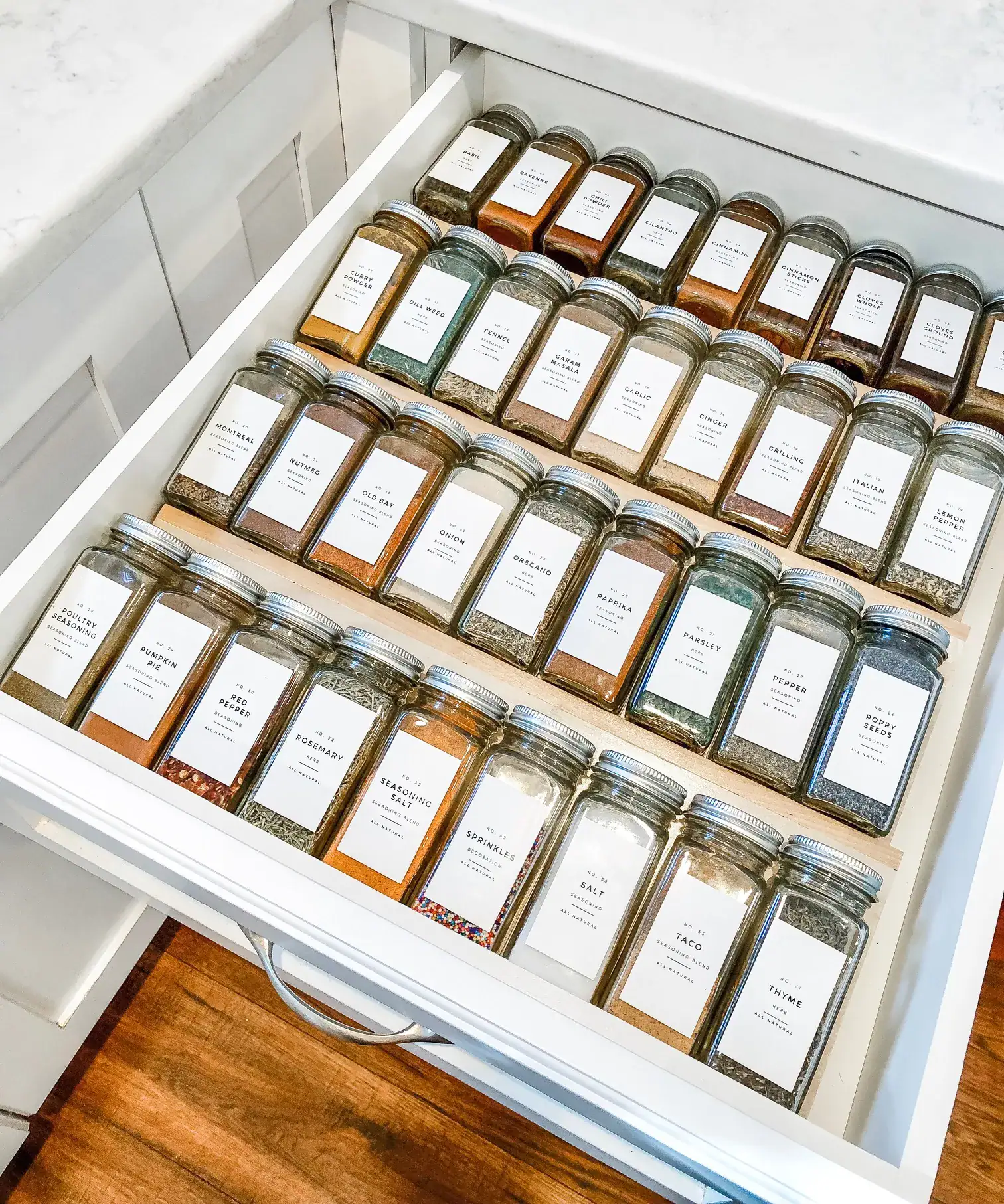
Common Mistakes to Avoid When Using Decluttering Methods
Even with the right decluttering methods, small mistakes can slow your progress and make the process feel harder than it needs to be.
Being aware of these common issues helps you stay on track so you can avoid starting over or feeling stuck halfway through your progress.
When you know what to watch for, it becomes easier to move through your space with more confidence and better results.
- Switching methods too quickly: Jumping from one method to another before finishing can slow your progress and make it harder to see real results in your space.
- Overthinking every decision: Spending too much time on each item can make the process feel exhausting, which often leads to stopping before you complete the area.
- Using one method for everything: Not all spaces work the same way, so forcing one method on every area can make decluttering feel more difficult than it needs to be.
- Ignoring your daily routine: Choosing a method that does not match how you live can make it harder to stay consistent and keep your space organized over time.
- Focusing only on removing items: Decluttering without thinking about how you will maintain your space can lead to clutter slowly returning after you finish.

Frequently Asked Questions
What is the easiest decluttering method for beginners?
The easiest decluttering method for beginners is the 10-minute daily method because it keeps tasks short, simple, and easy to repeat consistently. This method works well since it removes pressure, helps you build momentum, and allows you to make steady progress without needing large blocks of time.
Should you declutter by room or by category?
Decluttering by room works best if you want quick, visible progress, while decluttering by category helps you make better decisions by seeing everything you own at once. Choose the approach that matches your focus style, since staying consistent with one method is more effective than switching between both too often.
How do you let go of things you are attached to?
Letting go of items becomes easier when you focus on whether they support your current lifestyle instead of keeping them for past memories or future use. Start with less emotional items first, then move to more personal belongings once you feel more confident making decisions without second guessing yourself.
How long does it take to declutter a whole house?
Decluttering a whole house can take anywhere from a few days to several weeks depending on the size of your space and how much you own. Working in small, consistent sessions helps you stay on track, making the process feel manageable instead of trying to complete everything in a short time.
What should you do with items after you declutter?
After decluttering, immediately sort items into clear categories so you can remove them from your home without letting them sit and create new clutter. Handling items right away helps you maintain your progress and keeps your space organized instead of allowing piles to build up again over time.

Your home does not need to be perfect to feel better… it just needs a system that helps you stay in control of your space each day.
I hope these decluttering methods give you a clear way to make decisions, so you are not stuck wondering what to keep or where to begin.
Pick one method that feels simple to follow and start there, because consistency matters more than trying to do everything all at once.
As you build this into your routine, you will notice your space becoming easier to manage without needing to keep starting over.
Keep these easy ways to declutter your home saved so you always have a clear approach to come back to whenever your home starts to feel out of place again.