Choosing the wrong exterior paint colors for small houses can make your home look even smaller, darker, and less inviting from the moment someone sees it.
After spending time looking through many different paint color guides, I realized that finding the right color often feels confusing because outdoor lighting changes every shade throughout the day.
Many people believe a smaller house has fewer decorating possibilities, making it easy to settle for safe colors instead of choosing something that truly fits the home.
Paint colors that look beautiful on a small sample can appear completely different once they cover siding, brick, or trim under changing sunlight and outdoor shadows.
It is frustrating to spend time choosing a color only to realize later that it makes your house feel heavier, duller, or smaller than you imagined.
Trying to balance personal style with colors that make your house feel brighter and more welcoming can quickly turn into a stressful decorating decision.
Finding a paint color that works beautifully with your home’s size, landscaping, and natural lighting is often more challenging than many people expect before getting started.
This post may contain affiliate links. As an Amazon Associate and a participant in other affiliate programs, I earn a commission on qualifying purchases at no additional cost to you.

So, I can’t wait to share color ideas, practical tips, and simple advice that can help you choose exterior paint colors that create a fresh, welcoming look you will enjoy every time you pull into the driveway.
Use these ideas to confidently choose an exterior paint color that helps your small house look brighter, more welcoming, and beautifully balanced every day.
Why Choosing the Right Exterior Paint Color Matters for Small Houses
The color you put on the outside of your house is the very first thing anyone sees when they pull up, and it sets the whole tone for your property.
A poorly chosen color can make your home look cramped and dated before anyone even steps foot inside.
Color affects how people perceive size, and light hues tend to push the walls outward while dark ones pull them in.
That’s a simple trick of the eye, but it makes a massive visual impact on a house with limited square footage.
The right color can actually increase your home’s value, with fresh exterior paint delivering a 60 to 100 percent return on investment.
Your neighborhood’s overall vibe matters too, because a color that clashes with nearby homes can feel jarring and out of place on the block.
Coordinating your body color with the trim, shutters, and front door creates a polished, intentional look that goes a long way.
Resale value is real! Buyers make snap judgments within seconds of arriving, and a fresh, well-chosen color builds trust instantly.
The right exterior color also protects the structure by sealing the surface from moisture, UV rays, and seasonal temperature swings.
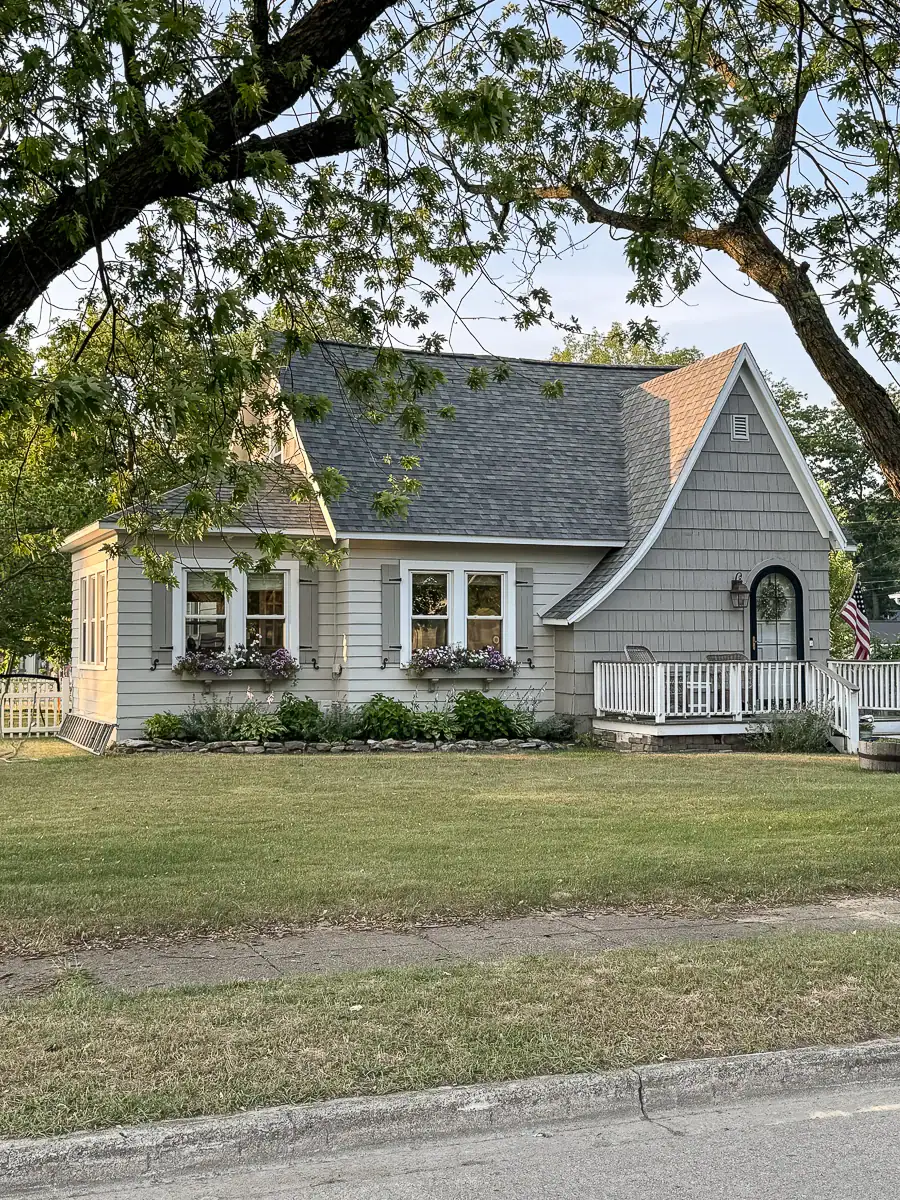
How to Choose Exterior Paint Colors for Small Houses
Start by looking at your house’s fixed elements like the roof, stone, brick, or concrete foundation because those colors can’t easily be changed.
Your paint needs to complement those permanent features, not clash with them, so pull undertones from the materials already on your home.
Think about the style of your house, since a craftsman bungalow calls for different colors than a farmhouse or a coastal cottage.
Take a walk around your neighborhood and note what colors already exist nearby so your home fits in while still standing out in a positive way.
Consider the direction your house faces because a north-facing home gets less sunlight and may need a warmer tone to avoid looking washed out.
South-facing homes get a ton of light, so even a mid-tone color will read lighter and brighter throughout the day.
Browse some of the best exterior house paint colors for inspiration before making your final color choice and starting your next painting project.
Paint large color samples directly on your exterior walls and watch them for several days before deciding on the paint color that feels right for your home.
Always test in both morning and afternoon light because the same color can look completely different depending on the sun’s position.
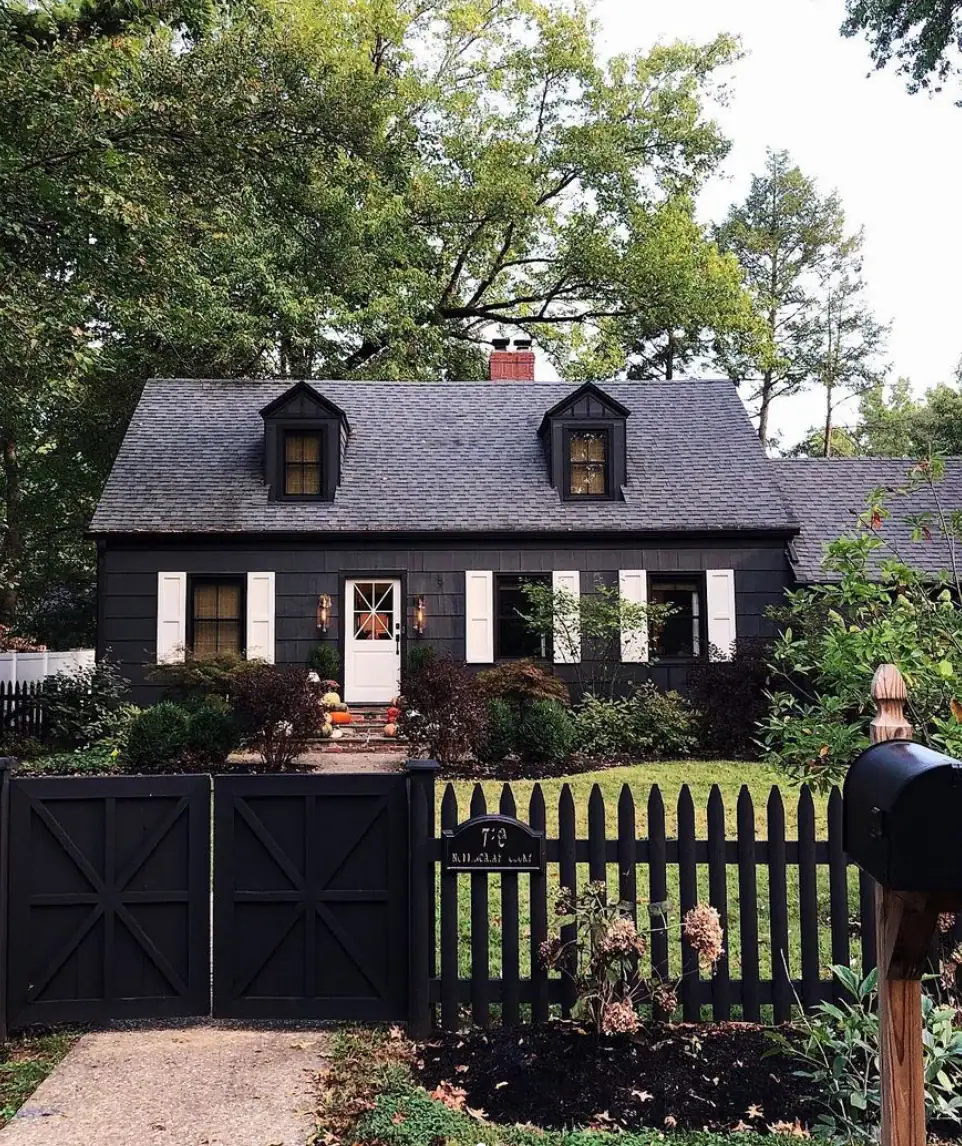
More Paint Color Ideas + Inspiration
Tips for Selecting Exterior Paint Colors That Enhance a Small House
Lighter paint colors are usually the best starting point for smaller houses because they help the exterior feel brighter, more open, and visually larger from the street.
Soft whites, warm creams, and gentle pastel shades create the feeling of extra space by reflecting natural light and giving the entire exterior a lighter appearance.
Choosing a body color that closely matches your trim helps soften the edges of the house, making the overall shape appear smoother and more spacious.
Adding contrast with a darker front door against lighter siding creates an inviting focal point without making the rest of the exterior feel too heavy.
If your house sits in a shaded area, avoiding cool gray-blue colors can help keep the exterior from feeling darker or smaller throughout the day.
Paint colors with warm undertones like beige, cream, or soft peach help brighten the outside of your house, even when the weather feels cloudy or overcast.
If you enjoy bold colors, try using them on the front door or shutters instead of painting the entire exterior for a balanced and welcoming look.
Matching your outdoor porch decor with your exterior paint colors helps the entire house feel coordinated while creating a polished appearance from every angle.
Keeping your color palette simple with a body color, trim color, and accent color helps your small house feel balanced without making the exterior look busy.

Most Popular Exterior Color Combinations for Small Homes
Some exterior paint color combinations remain popular year after year because they help small houses look balanced, welcoming, and beautifully finished without feeling too busy or distracting.
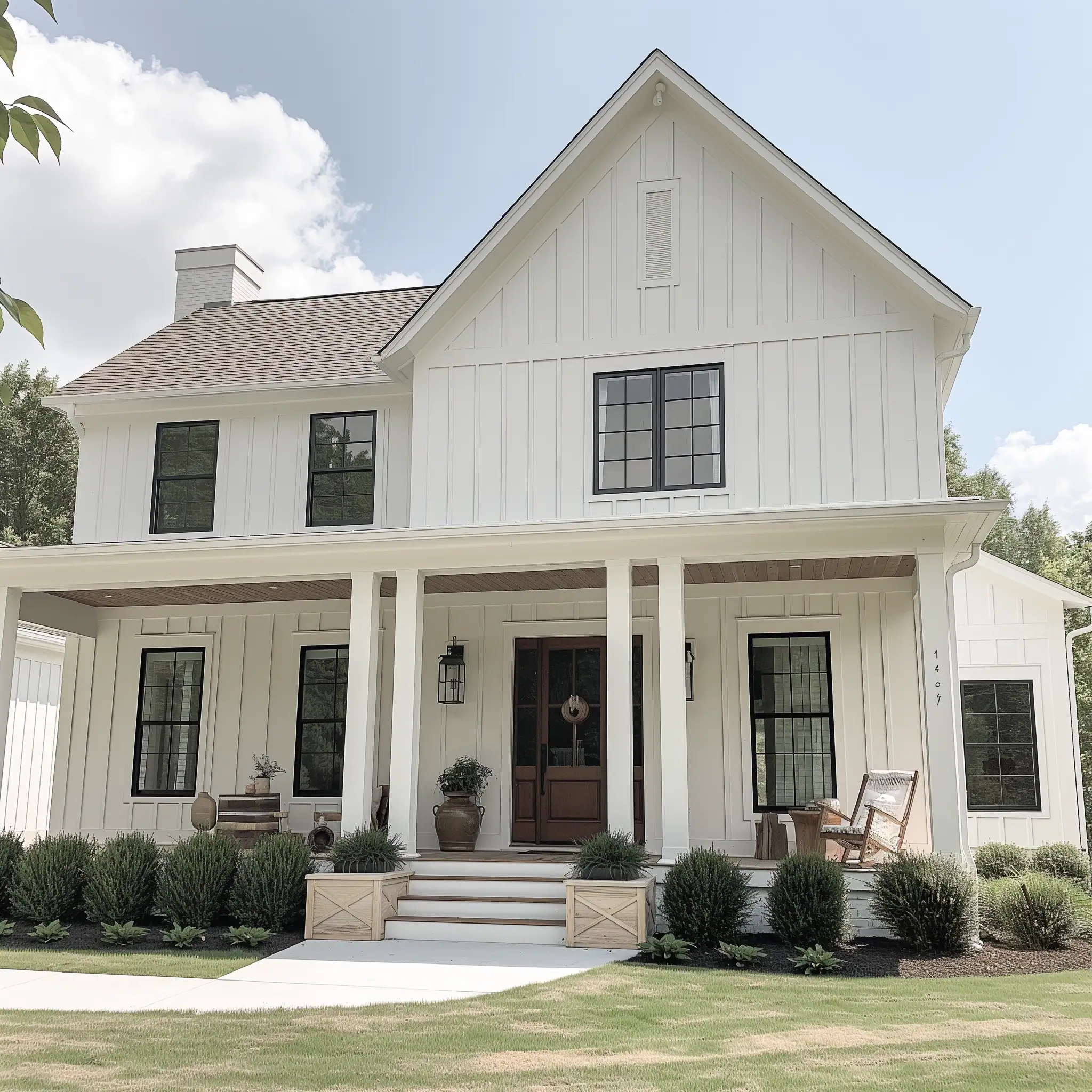
Warm white paired with black trim creates a timeless look that feels clean, modern, and especially flattering on smaller houses with simple architectural details.
Sage green combined with natural wood accents and black hardware continues to attract attention because it creates a fresh outdoor look that pairs beautifully with surrounding landscaping.
If you love something soft and beachy, coastal exterior house colors will give you some gorgeous pale blues and sandy neutrals to work with.
A greige exterior paired with crisp white trim and a navy front door creates a polished appearance that works beautifully across many popular home styles.
Warm taupe with cream trim and terracotta accents creates an earthy look that feels comfortable, inviting, and easy to pair with natural outdoor surroundings.
Soft yellow matched with white trim creates a cheerful cottage-inspired appearance that looks especially beautiful on smaller bungalows, cottages, and farmhouse-style homes.
Charcoal gray with white trim and a bright red front door creates bold contrast while giving smaller houses a confident and thoughtfully planned appearance.
Navy blue paired with white trim and brass accents creates a timeless exterior that looks elegant, welcoming, and especially attractive on Cape Cod or Colonial-style homes.

Best Outdoor Decor to Elevate The Curb Appeal of a Small House
Once you’ve nailed your paint colors, the right outdoor touches can pull the whole look together and make your small house feel like a showstopper.
Outdoor decor doesn’t have to be expensive or complicated because a few well-chosen pieces make a real difference in how welcoming and complete the exterior feels.
Here are some of my favorite outdoor decorating ideas that pair beautifully with your new paint colors and help create a welcoming, polished exterior from the very first glance.
Would you like to save this post?
Tap Photos To Shop

Tips for Testing Exterior Paint Colors Before Painting
Never skip the testing phase because it’s one of the most important steps you can take before committing to gallons of paint.
Buy sample pots from your paint brand and brush them onto large pieces of cardboard or directly onto a hidden spot on your house’s siding.
Paint at least a 12-by-12-inch swatch so you can actually see how the color reads at a distance from the street.
Check the color at different times of day, including early morning, midday, late afternoon, and evening, under artificial porch lighting.
Step back at least 20 feet and look at the sample from across your yard or even from the street to get a realistic impression.
Compare it against your roof shingles, concrete walkway, and any stone or brick to make sure the undertones play well together.
Many paint brands like Sherwin-Williams and Benjamin Moore have digital visualization tools online that let you upload a photo of your house and test colors virtually.
Don’t rely on a color chip alone because the tiny chip at the store is not even close to how it’ll look scaled up across your whole home.
When in doubt, go one shade lighter than you think you want because colors read darker on large surfaces in full sun.
Don’t Forget To Order Paint Samples!
No matter what a photo looks like or description, every paint color will look different in your own space. It is so important to test a paint color before you commit to it.
That’s why I love buying these peel & stick samples.
It makes it so easy & affordable to test colors!
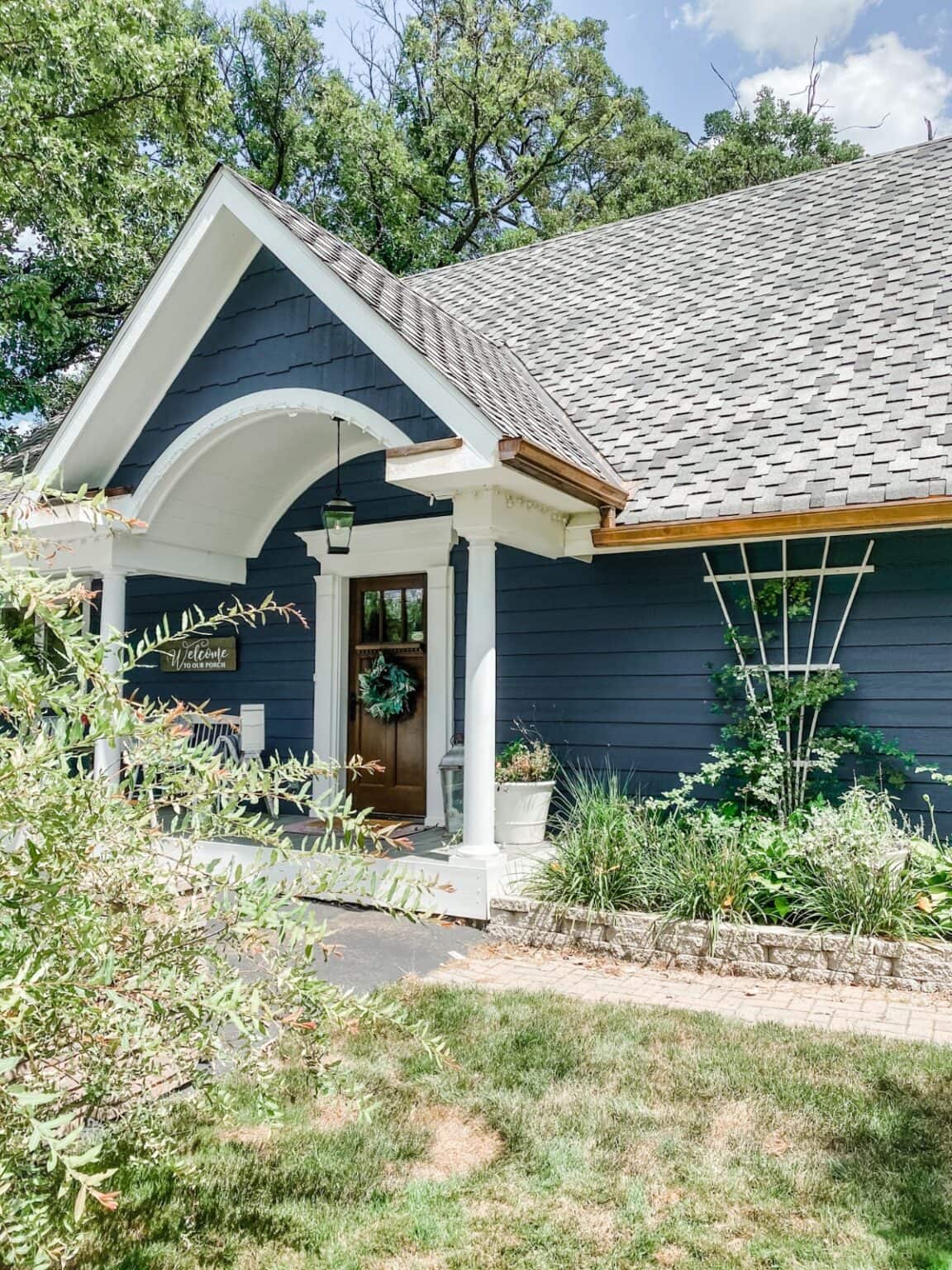
Best Light Exterior Paint Colors for Small Houses
Light paint colors remain one of the best choices for helping small houses look brighter, more open, and more inviting from the street every single day.
Whether you love white home exterior ideas, creamy neutral shades, or soft colors inspired by nature, several beautiful options can help your home feel larger and more welcoming.
Here are some of my favorite light exterior paint colors that can help small houses look brighter, more open, and more welcoming from the street.
- Sherwin Williams – Alabaster SW 7008: A warm, creamy white that avoids the starkness of pure white and pairs beautifully with natural wood and black trim, giving small homes a soft, welcoming presence.
- Benjamin Moore – White Dove OC-17: A timeless off-white with subtle warm undertones that reads bright without ever feeling cold or clinical, making it one of the most versatile exterior choices available.
- Behr – Painter’s White N-W10: A clean, classic white with just enough warmth to avoid looking flat on siding, ideal for craftsman and farmhouse styles where clean lines need to pop.
- Sherwin Williams – Universal Khaki SW 6149: The 2026 Color of the Year is a warm, earthy neutral that grounds a small home beautifully, especially when paired with crisp white trim and a dark accent door.
- Benjamin Moore – Pale Oak OC-20: A soft greige that sits between beige and gray with warm peachy undertones, giving small homes a sophisticated, modern-neutral look without feeling plain.
- Sherwin Williams – Greek Villa SW 7551: A soft warm white with creamy undertones that reflects natural light beautifully, helping small houses feel brighter while creating a clean and welcoming exterior.
- Benjamin Moore – Classic Gray OC-23: A light warm gray with gentle beige undertones that gives smaller homes a fresh and airy appearance while pairing easily with white trim and darker accents.
- Behr – Swiss Coffee 12: A warm off-white that creates a timeless exterior with a soft, inviting look, making small houses feel open while complementing both traditional and modern home styles.
How Dark Exterior Paint Colors Can Work on Small Houses
Many people think dark paint colors are not a good choice for small houses, but they can look beautiful when paired with the right colors and exterior details.
Rich shades like navy, charcoal, forest green, and deep mocha create a cozy and polished appearance that gives smaller houses a stylish and carefully planned look.
Pairing dark siding with lighter trim, bright windows, and reflective hardware helps balance the exterior while making the house feel brighter and more inviting from the street.
Dark paint colors also look especially attractive on houses with decorative trim, board-and-batten siding, shiplap, or other architectural details that deserve extra attention.
If you want fresh inspiration for a bold coastal style, coastal house exterior paint colors give you beautiful ideas for using navy, deep teal, sandy neutrals, and crisp white accents.
Surrounding a dark-painted house with light colored walkways, colorful plants, and healthy greenery helps create balance while keeping the exterior feeling bright and welcoming.
Choosing white or cream trim creates clean lines around the house, helping the darker body color stand out without making the overall appearance feel too heavy.
Dark exterior paint also does a nice job of hiding everyday dirt and small marks, making it a practical option for houses in busy neighborhoods or near roads.
Choosing a durable exterior paint made for outdoor conditions helps rich colors stay fresh and beautiful longer, even after years of regular sun and changing weather.
How to Make a Small House Look Larger with Paint
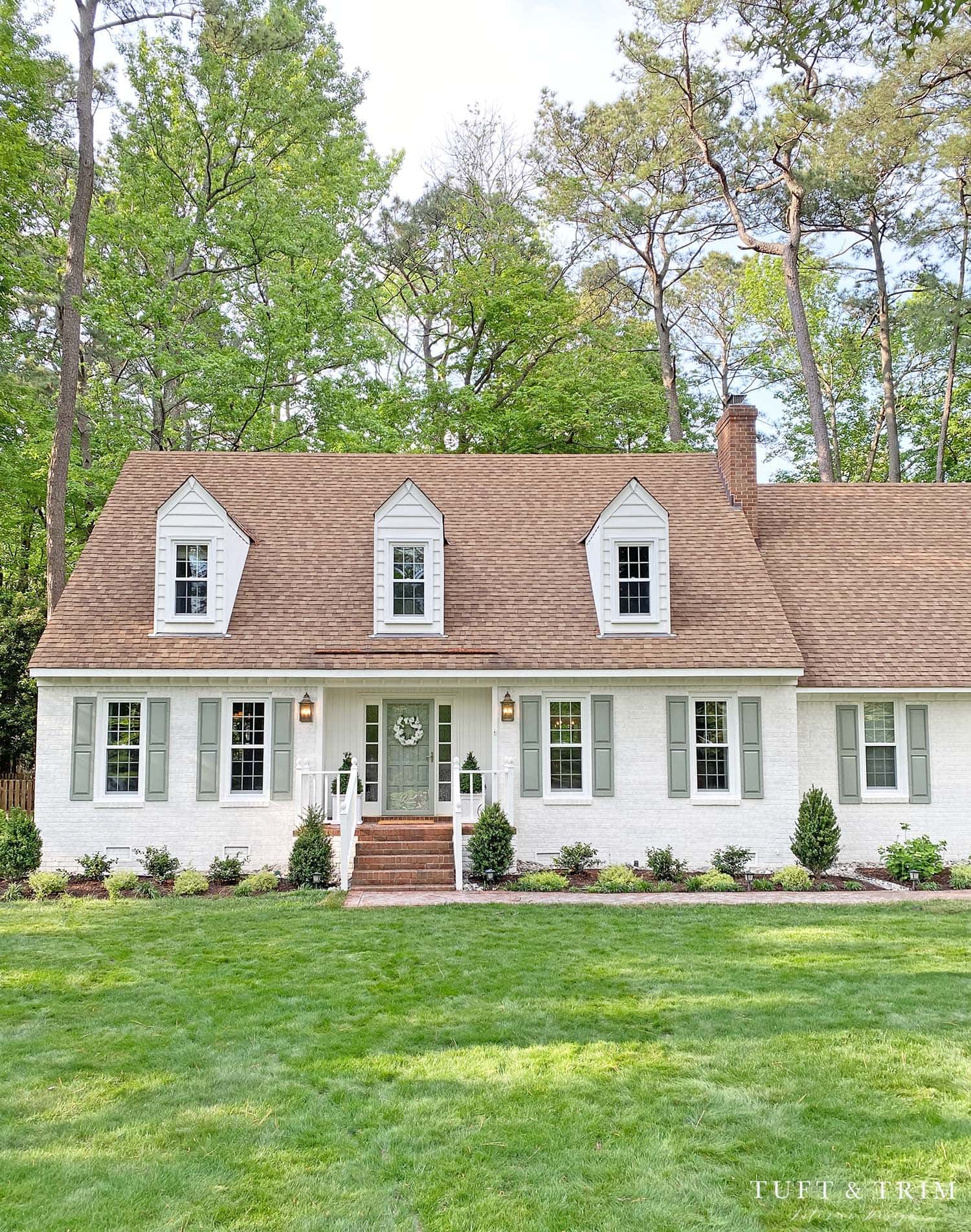
One of the simplest ways to make a small house look larger is by using paint colors that soften visual lines and create a smoother appearance across the exterior.
Painting your trim in a shade that closely matches the main body color helps reduce sharp visual breaks, making the house appear more open and connected.
Matching your gutters and downspouts to the body color helps them blend into the exterior instead of drawing attention away from the overall design.
Using one body color across the entire exterior creates a cleaner appearance, helping the house feel larger instead of divided into separate sections.
Keeping the foundation color close to the body color creates a smooth visual flow, making the exterior feel more balanced from top to bottom.
Painting shutters in the same color as the siding creates a simple and cohesive appearance while reducing visual distractions across the front of the house.
Choosing a neutral paint color that blends naturally with nearby trees, gardens, and landscaping helps the house feel connected with its outdoor surroundings.
Painting window frames in the same color as the exterior helps soften visual contrast, allowing the overall design to feel cleaner and more balanced.

Common Mistakes When Choosing Exterior Paint Colors for Small Houses
One of the most common mistakes is choosing an exterior paint color after seeing only a small sample because it rarely looks exactly the same across an entire house.
Another mistake is ignoring paint undertones because a color that looks neutral indoors can appear pink, green, blue, or even yellow under changing outdoor sunlight.
Skipping the testing stage often leads to disappointment because paint can look very different once it covers siding, trim, and other exterior surfaces around your home.
Using too many paint colors on a small house can create a busy appearance that makes the exterior feel less balanced and visually smaller from the street.
Choosing a bright cool white for a house surrounded by shade can make the exterior feel colder and less welcoming than you originally expected.
Another mistake is forgetting to compare your paint color with the roof because warm and cool tones do not always look attractive together once finished.
Copying a color from a much larger house without thinking about your home’s size can create a completely different result than the one you admired.
It is also smart to think about your local weather because choosing exterior paint made for your climate helps the color stay beautiful for many years.
Frequently Asked Questions
What are the best exterior paint colors for small houses to make them look bigger?
Light, warm neutrals like soft white, cream, and greige are the most effective colors for making a small house look more spacious. These shades blend the exterior edges with the surrounding sky and landscape, reducing the visual boundaries of the structure. Pairing a light body color with matching or slightly lighter trim amplifies the effect even further.
Can dark colors work on a small house exterior?
Yes, dark colors can work on small houses when paired with light trim, bright landscaping, and strong architectural detail. The key is creating contrast between the dark body and lighter surrounding elements so the structure doesn’t disappear into itself. Navy, charcoal, forest green, and deep olive are all strong choices when executed carefully.
How many colors should I use on a small house exterior?
Stick to two or three colors maximum: one for the body, one for the trim, and one for the accent door or shutters. Using more than three colors on a small exterior creates visual clutter that makes the home look fragmented and even smaller. Keeping it simple and cohesive is always the better call on compact structures.
What is the most popular exterior paint color for small houses in 2026?
Warm earthy neutrals like Sherwin Williams Universal Khaki SW 6149 and sage greens like Behr Hidden Gem are leading the trends in 2026. Nature-inspired, warm hues have replaced the cool grays that dominated the last decade, and they look especially good on smaller homes surrounded by greenery. Soft blue remains popular for coastal and waterfront properties.
Should I match my shutters to my front door or my trim?
Matching shutters to the front door creates a cohesive, intentional accent strategy that draws the eye to the entry of your home. This approach works especially well on small houses because it concentrates the color pop in one focused area rather than spreading it across the whole facade. If you prefer a calmer look, matching shutters to the body color keeps everything understated and seamless.

Choosing the right paint colors opens the door to a whole new level of curb appeal that makes even the smallest house look like it belongs on a design blog.
Smart color choices for exterior paint colors for small houses aren’t just about aesthetics, but they also protect your siding, boost your property value, and create a first impression that lasts.
From testing samples in different lighting to picking the right tone-on-tone palette, every step you take brings you closer to a home that looks bigger, brighter, and more polished.
I hope these tips and ideas help you choose exterior paint colors that make your small house feel brighter, more welcoming, and perfectly suited to your personal style.
So, go grab a few paint samples this weekend, test them on your siding, and let the transformation begin!