


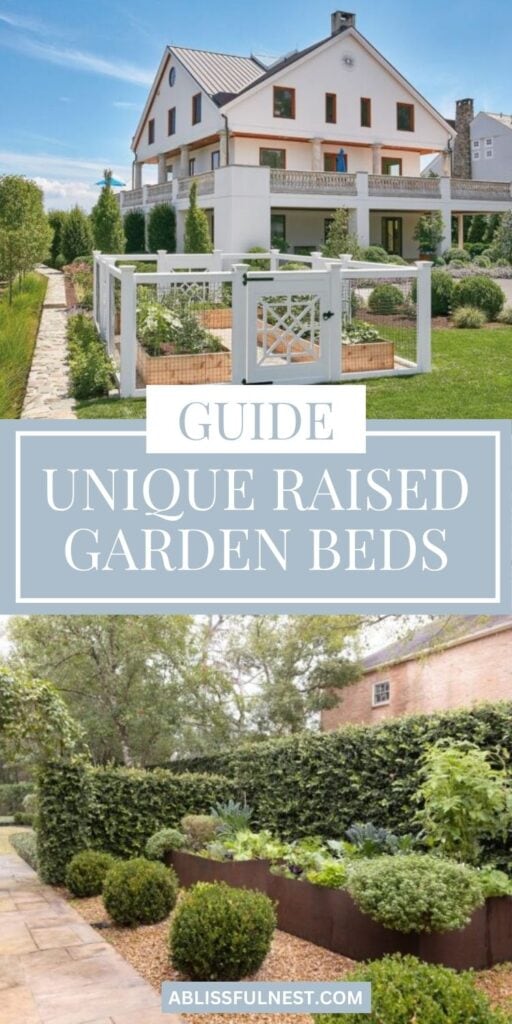
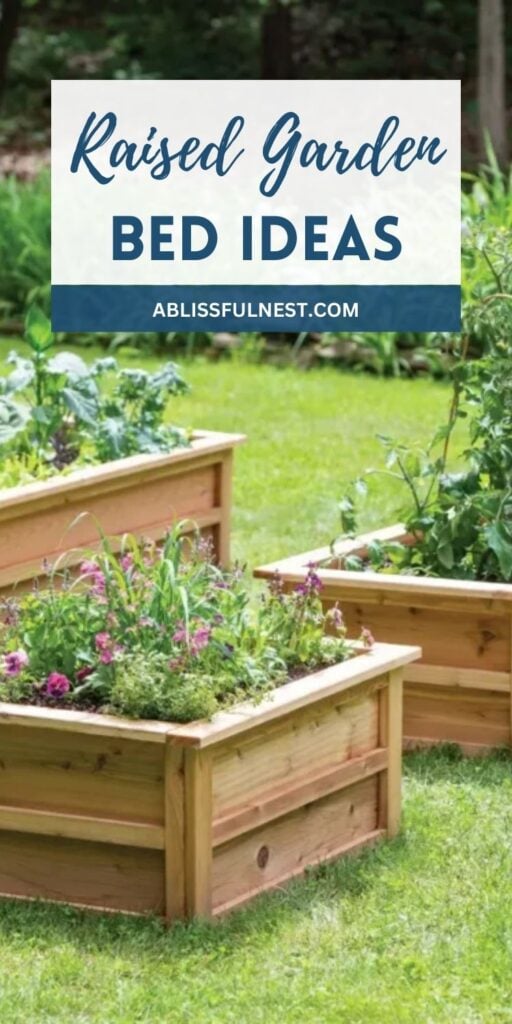
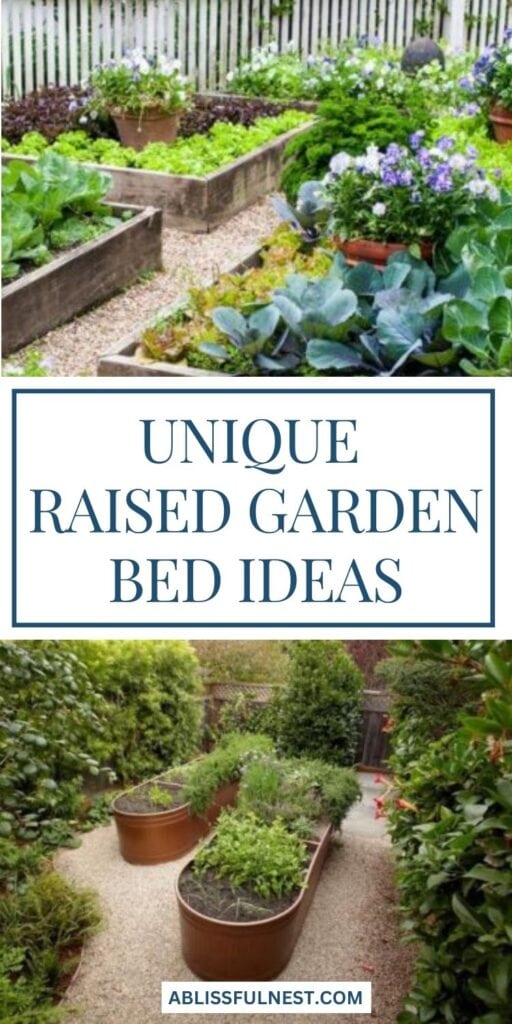
Trying new raised garden bed ideas can feel exciting at first, but frustrating when you realize your backyard space has awkward shapes or tricky sunlight.
Looking through backyard landscaping ideas can help you rethink your space and make it feel more organized and thriving, instead of a random mix of containers.
Maybe you imagined a neat backyard raised garden, but quickly found that uneven ground, pests, or poor drainage made things harder than expected.
It’s frustrating when you put in the time to build beds, but plants still struggle because the setup wasn’t right for the yard.
You might have saved a bunch of backyard designs online, only to realize they require more money, tools, or space than you have.
Sometimes it feels like every great idea was made for huge suburban yards, not small patios, narrow lawns, or shared outdoor spaces.
Finding creative garden setups that fit your space and look good can feel impossible when every article assumes you are a master builder.
This post may contain affiliate links. As an Amazon Associate and a participant in other affiliate programs, I earn a commission on qualifying purchases at no additional cost to you.

You probably want something easy enough to install but still unique enough to make your backyard feel special and cared for.
Even when you do find an idea you love, figuring out the right materials, layout, or plants can feel like another big challenge.
So, I’m excited to share these raised bed designs that work with real backyards and add beauty, structure, and life without becoming overwhelming.
What Is A Raised Garden Bed
A raised garden bed is a type of garden bed that is built above the ground level, typically by constructing a frame or container and filling it with soil.
The frame can be made of various materials such as wood, concrete blocks, or bricks, and the height of the bed can vary depending on the preference of the gardener.
Raised garden beds are a popular choice for vegetable gardening because they offer several advantages over traditional in-ground gardening, such as better drainage, easier access, and the ability to control soil quality and nutrients.
Designing small backyard spaces can be a challenge, but raised beds offer a versatile solution. They are also a great option for people who have limited space or poor soil conditions in their yard.

Benefits Of Raised Garden Beds
If you’re thinking that you can just grow any vegetables (or flowers) that you want in the ground, you’re right. It’s true that you can absolutely grow delicious vegetables directly in the dirt of your backyard, but there are several benefits to building raised garden beds.
Here are just a few reasons why they can be the perfect additions to your beautiful backyards.
- Keep unwanted animals out – Animals like moles, gophers, and rabbits (as well as slugs and snails) are known to be major pests for a garden. Growing your vegetables and flowers in a raised bed will help your plants thrive by helping keep those pests out.
- The best soil – If you live in an area that has poor soil, using raised garden beds eliminates that problem entirely because you fill your empty garden beds with the fresh planting soil of your choice.
- Easier for maintaining and gardening – Bending over to tend an in-ground garden is back-breaking work and hard on the knees, too. Growing flowers and vegetables in raised garden beds can eliminate that problem!
- Better drainage -In some areas, due to either a wet climate or poor dirt, the soil in the ground doesn’t drain well and can actually overwater your plants. This can lead to root rot for your plants. Raised bed gardens avoid this problem altogether and provide better drainage for your plants.
- Fewer weeds – Once established, your garden will have fewer weeds, making both your plants happier and your weeding job easier.
- Prevent soil compaction – Raised flower beds prevent foot traffic in the garden. By not walking on the soil around your plants, it doesn’t get compacted, which keeps the plants healthier and less likely to be damaged.

Raised Garden Bed Supplies
Building a productive raised garden bed starts with having the right supplies on hand, and that alone makes the whole process so much easier from day one.
From the foundation to the finishing touches, every item you choose plays an important role in creating a garden that stays healthy, durable, and easy to maintain all season long.
Would you like to save this post?
So, I’m going to share the essential items you will need so you can feel fully prepared and excited to dig in.
Tap Photos To Shop

How Deep Should A Raised Garden Bed Be
The ideal depth of a raised garden bed can vary depending on what you plan to grow and the type of soil you have.
However, in general, a depth of at least 6 to 12 inches is recommended for most plants to grow well. This depth will allow for good root growth and water drainage.
For vegetables with deeper roots such as carrots, parsnips, or potatoes, you may want to consider a deeper bed of 12-18 inches.
If you plan to grow plants with shallow roots, such as lettuce or herbs, a depth of 6-8 inches may be sufficient.

Tip
• It is important to note that the height of the bed can also affect the drainage, so if you are building a raised bed taller than 18 inches, it may be necessary to add drainage holes or gravel at the bottom to ensure proper drainage.

What To Put On The Bottom Of A Raised Garden Bed
It is generally not necessary to put anything on the bottom of a raised garden bed, especially if the bed is being constructed on top of the soil.
The purpose of a raised garden bed is to create a contained area for plants to grow that is filled with high-quality soil, and adding a layer at the bottom can actually impede drainage and root growth.
However, some gardeners may choose to add a layer of landscape fabric or cardboard to prevent weeds and grass from growing up into the bed from the ground below.
If you choose to use landscape fabric or cardboard, be sure to leave small holes or slits in it to allow for drainage.
If you are constructing your raised garden bed on a hard surface like concrete or asphalt, you may need to add a layer of gravel or crushed stone at the bottom for drainage.
In this case, the layer should be about 2-3 inches deep.

Raised Garden Bed Ideas
A raised garden bed is one of the best ways to grow your own food, beautiful blooms, or a mix of both right in your own backyard.
Whether you have a small patio or a wide open yard, there is a style and size out there that will fit your space and match your vision perfectly.
These ideas are here to inspire you to take that first step, try something fresh, and build a garden you will be proud of all season long.
Unique Raised Garden Bed Ideas
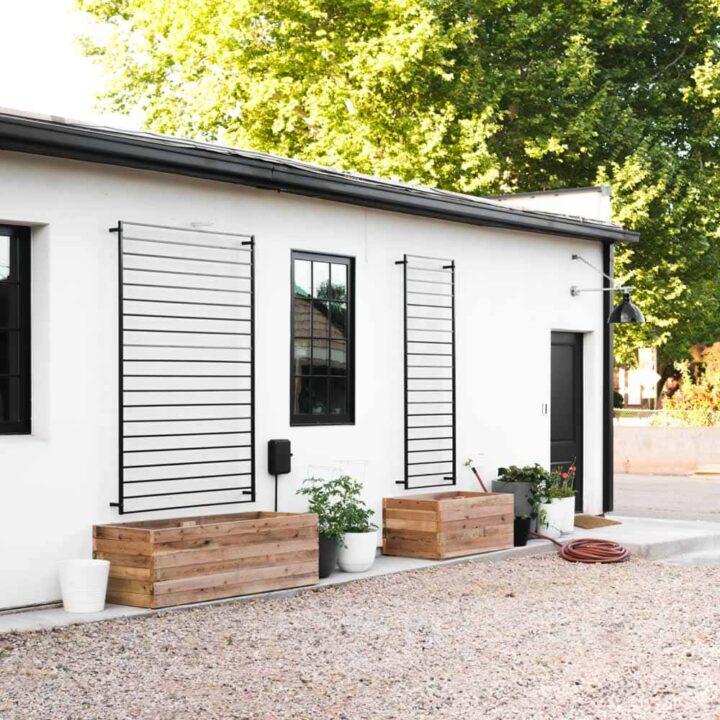
DIY raised garden beds can be a cost-effective option compared to purchasing pre-made garden beds.
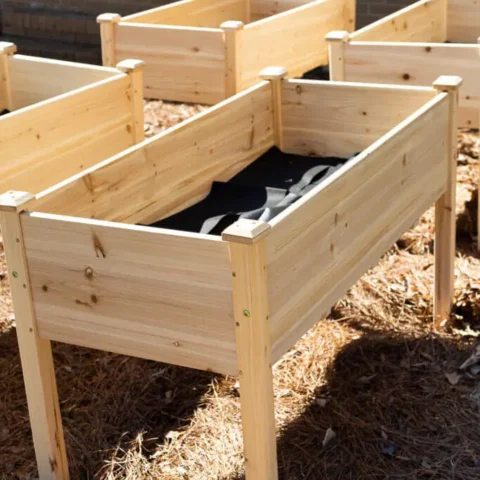
Elevated garden beds provide improved drainage compared to in-ground gardening.
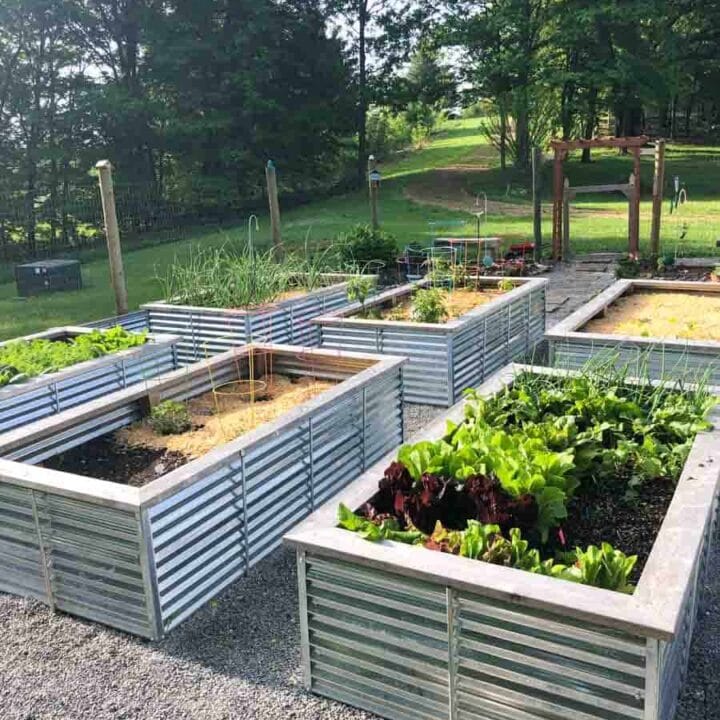
Galvanized raised garden beds are a popular choice for many gardeners because of their durability and long-lasting nature.
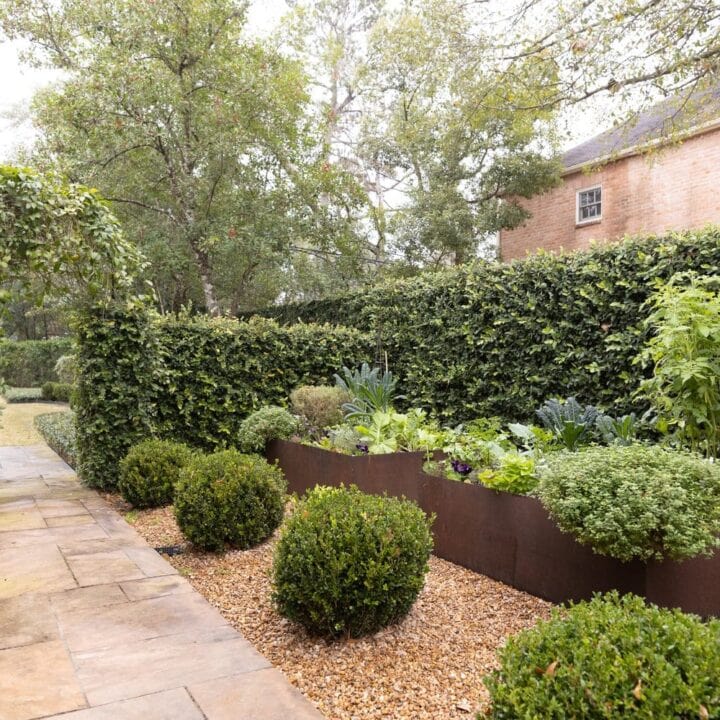
Metal raised garden beds are resistant to corrosion, have a longer life span, and are easy to maintain.
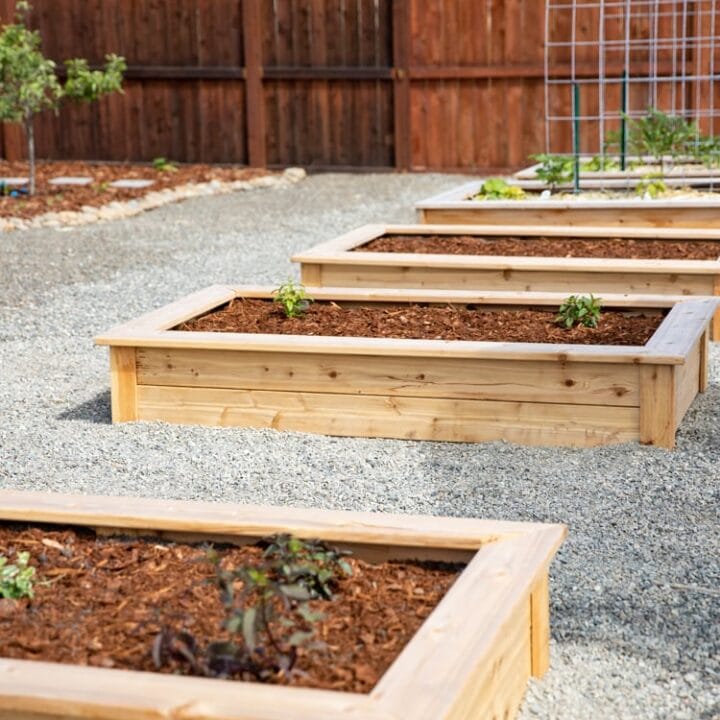
Cedar wood is naturally resistant to rot and decay, which makes it a great choice for a garden bed that will be exposed to moisture and soil.
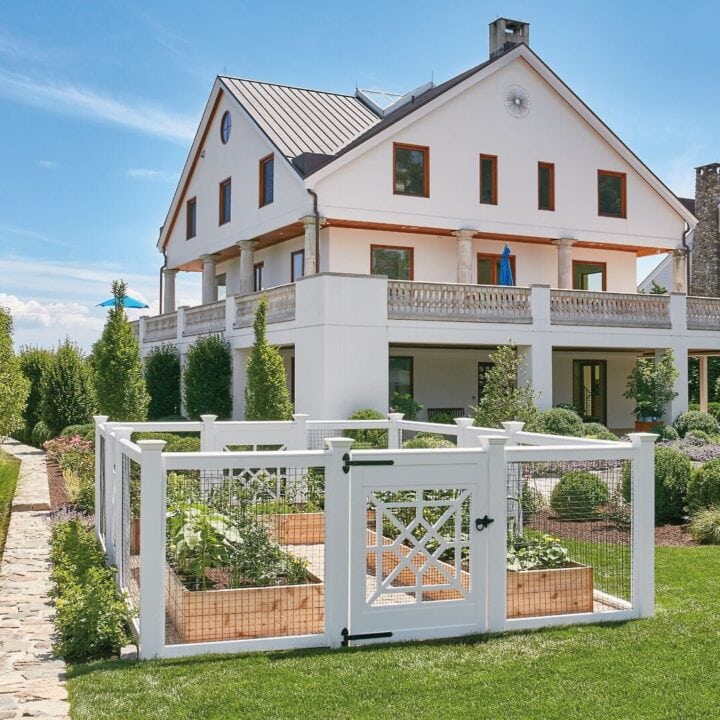
Fencing around your raised garden bed can help to keep out a variety of pests, such as rabbits, deer, squirrels, and birds, that may damage your plants or eat your crops.
This can help to ensure that your plants stay healthy and that you get a good harvest.
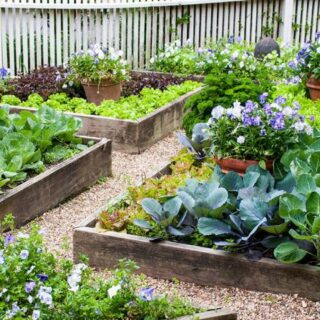
One of the biggest advantages of using a raised garden bed is that you can control the soil quality more easily.
By filling the bed with high-quality soil and compost, you can create a healthy growing environment for your vegetables.
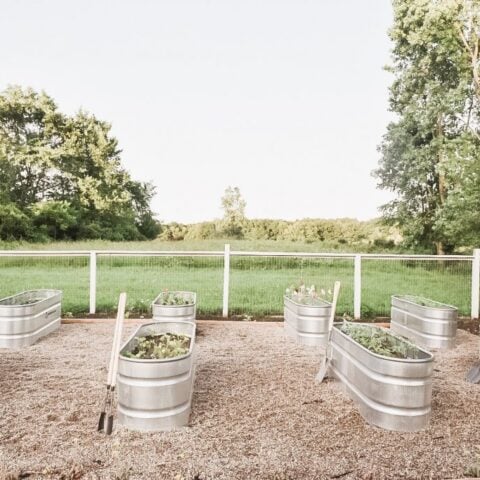
A small raised garden bed is an excellent option for gardeners who have limited space in their yard or on their balcony.
Even a small bed can produce a significant amount of food or flowers
Frequently Asked Questions
How deep should a raised garden bed be?
Aim for 12 inches of soil for most veggies and herbs, and 18 inches for deep roots. Go taller if you cannot loosen ground below, or if you want easier access and fewer weeds too.
What should I put at the bottom of a raised garden bed?
Start with bare soil, then lay cardboard or 6 to 10 sheets of newspaper to block grass. Add hardware cloth under the frame if gophers or rats dig, and skip plastic or gravel below it.
What is the best soil mix for a raised garden bed?
Use 50 percent topsoil and 50 percent compost for a simple, fertile base in most beds. Mix in coco coir or peat for moisture and perlite for air, and avoid pure compost at first fill.
What is the best material for a raised garden bed?
Choose cedar or redwood boards if you want easy DIY cuts and cooler soil, but expect some rot over years. Pick galvanized metal for long life, and mulch well since it heats faster in sun.
How do you build a raised garden bed and what size should it be?
Build a level rectangle from 2×10 or 2×12 boards, screw corners tight, and set it in full sun. Keep beds 3 to 4 feet wide, 6 to 8 feet long, and brace long sides inside.
I hope these raised garden bed ideas spark backyard inspiration and lead you to choose your own amazing garden design and start growing this season.
There’s nothing like eating food that you grew yourself—once you start, you’ll be hooked.






Hi Rebekah – My garden is my happy place and I love all of these unique raised garden ideas. PINNED and shared on FB! Thank you for including our Bocce Ball court transformation. My heart is full of gratitude. Happy gardening! Hugs, Holly
You are so welcome and we loved it!