If your kitchen feels tight and difficult to style, these small kitchen cabinet colors will help you choose a shade that opens the room and feels balanced.
Choosing the right kitchen cabinet colors can change how your space looks and feels, especially when you are working with limited square footage.
It can feel confusing when every color looks good online but ends up feeling too dark, too flat, or just off in your own kitchen.
You might also worry about picking something that makes your kitchen feel smaller, especially when lighting, cabinet layout, and finishes already feel hard to manage.
Maybe your kitchen feels closed in, or the colors just are not working together the way you expected when you first chose them.
So, I am going to walk you through specific paint colors, simple pairing ideas, and creative ways to make your kitchen feel lighter and more open.
Use my tips to help you choose a color that works with your space so your kitchen feels easier to live in and looks more put-together every day.
This post may contain affiliate links. As an Amazon Associate and a participant in other affiliate programs, I earn a commission on qualifying purchases at no additional cost to you.

No matter what your kitchen looks like right now, there is a way to adjust your cabinet color so the space feels brighter, more open, and easier to style.
I can’t wait to share these ideas with you because once you see how small changes affect your space, choosing the right color starts to feel simple.
So let me help you pick cabinet colors that work with your layout and lighting so your tiny kitchen feels more open, balanced, and easy to live in.
Why Picking the Right Cabinet Colors Matters for Small Kitchens
The right cabinet color does more than look good… it directly changes how your kitchen feels, how light moves, and how open the space appears.
In a small kitchen, color becomes one of the most important tools because it can either close the space in or help it feel more open.
A thoughtful tone approach helps you create balance by choosing shades that work with your lighting, finishes, and overall layout instead of fighting against them.
Lighter shades tend to bounce light around the room, helping surfaces feel softer and more open instead of heavy or boxed in.
When a color reflects natural light well, it keeps the room from feeling flat and helps every part of the kitchen feel more connected.
Using shades like classic white or soft neutrals can help create the illusion of depth, even when your kitchen does not have much space to work with.
The goal is not just picking a color you like, but choosing one that supports a better room feeling, so your kitchen feels calm and easy to use.
The right cabinet color can also visually expand your space by softening edges, blending transitions, and reducing contrast where the room feels tight.
When everything works together, your cabinets help create an open feel that makes your kitchen look more intentional instead of crowded or unfinished.

More Kitchen Design Ideas + Inspiration
What Cabinet Colors Make a Small Kitchen Look Bigger
The colors that make a small kitchen feel bigger are the ones that keep everything light, connected, and easy on the eyes.
You want shades that do not break up the space too much, because harsh contrast is what usually makes a small kitchen feel tighter.
When your cabinets blend more naturally with the rest of the room, your small kitchen looks bigger without you changing anything else.
- Benjamin Moore – White Dove OC-17 — This is one of those shades that just feels easy the second you see it, not too bright, not too creamy, just right. If your kitchen feels a little closed in, this soft white helps everything flow together rather than feeling choppy or boxed in.
- Sherwin Williams – Alabaster SW 7008 — This one has a gentle warmth that keeps your kitchen from feeling cold, especially if you have softer lighting or warmer finishes. It is the kind of color that quietly brightens the room without making anything feel too stark or overly done.
- Benjamin Moore – Pale Oak OC-20 — If white feels too plain to you, this gives you a little more depth without going dark or heavy. It helps smooth out the space so your cabinets feel like they belong, instead of standing out and making the room feel tighter.
- Sherwin Williams – Accessible Beige SW 7036 — This works really well when your kitchen already has warmer elements like floors or counters that you do not want to fight against. It keeps everything feeling connected, so your eye moves more easily rather than stopping at every surface.
- Sherwin Williams – Sea Salt SW 6204 — If you want a hint of color without making your kitchen feel busy, this is where softer tones really help. It gives your cabinets personality while still keeping that light and airy feeling you need in a smaller space.
- Benjamin Moore – Simply White OC-117 — This is a brighter option, so it works best when your kitchen feels a little dark or needs more life. It helps catch and spread light across your cabinets, making the whole room feel more open the second you walk in.

How to Choose the Right Cabinet Paint Colors for Small Kitchens
Choosing the right cabinet color starts with understanding what your kitchen needs, not just what looks good on a paint sample or online.
The first thing I always look at is lighting, because it changes how all painted kitchen cabinet colors actually appear once they are in your space.
If your kitchen gets a lot of natural light, you have more flexibility, but if it feels dim, lighter shades will help bounce light and open things up.
Next, pay attention to your countertops, backsplash, and flooring so your cabinets do not feel separate or disconnected from the rest of the space.
When colors relate to each other, your kitchen starts to feel more cohesive, and that alone can make the space feel calmer and easier to look at.
If you are unsure where to start, looking through choosing kitchen cabinet colors ideas can help you see how different shades work in real kitchens.
Think about contrast carefully, because too much difference between surfaces can break up the room and make everything feel tighter than it actually is.
Sometimes, keeping your cabinets closer in color to your walls helps everything blend, creating a smoother look that feels less crowded.
If you want something slightly different, try using a softer shade on your upper cabinets so the top half of the kitchen feels lighter.
The goal is to create the illusion of a space that feels open, balanced, and easy to move through, even if the layout stays exactly the same.
When you choose a color based on how your kitchen works instead of just how it looks, it becomes much easier to land on something that truly fits your space.

Best Decor to Decorate a Small Kitchen
Decor matters in a small kitchen because the right pieces help support your cabinet color instead of making the space feel crowded or visually busy.
Keeping decor simple and intentional allows your cabinets to stand out in the right way while still creating a space that feels finished and easy to use.
Here are some of the best decor pieces that help your kitchen feel more open, balanced, and connected without adding clutter or making the space feel smaller.
Tap Photos To Shop

Light Kitchen Cabinet Colors for Small Kitchens That Work Every Time
Light cabinet colors work so well in small kitchens because they give your eye fewer places to stop, making everything feel smoother.
Instead of noticing every cabinet edge or tight corner, your eye moves across the room more easily, making the kitchen feel less chopped up.
That is why lighter shades are not just “safe,” they are smart when your kitchen feels narrow, dim, or visually busy.
If your kitchen has low light, crowded counters, or darker floors, light kitchen cabinet colors can help reset the entire feeling.
They soften the heavy parts of the room, especially when your counters, backsplash, and walls are not fighting for attention.
A soft white works beautifully when you want your cabinets to feel clean, calm, and open without looking too bright or cold.
A creamy off-white is better when your kitchen has warm floors, beige counters, brass hardware, or anything that already feels soft.
Would you like to save this post?
A pale greige gives you a little more depth, especially when bright white feels too sharp against your existing finishes.
A light blue-gray can also work beautifully when you want color, but still need the kitchen to feel airy and easy.
This is where white kitchen cabinet colors become helpful, because they give you brightness without making every kitchen feel the same.
The best light shade is not always the brightest one… it is the one that works with your lighting and makes everything feel connected.

Warm Small Kitchen Cabinet Colors for a Cozy but Open Look
Warm cabinet colors can still work in a small kitchen, you just have to be more intentional with how you use them.
The goal is to keep that cozy feeling without letting the space feel heavy, closed in, or darker than it already is.
This is where warmer neutrals really shine, because they add comfort while still keeping the overall look soft and balanced.
If your kitchen has wood flooring, beige countertops, or warmer finishes, cooler tones can feel disconnected, while warmer shades pull everything together.
That connection is what helps the space feel more open, even though the color itself is not as light as a crisp white.
Soft beige tones are a great place to start, especially when you want something that feels relaxed and easy to live with every day.
They keep the cabinets light enough to avoid heaviness, while still adding warmth that makes the kitchen feel more welcoming.
A warm greige works well when you want balance, giving you a mix of warmth and softness without leaning too yellow or too cool.
Muted taupe tones can also work beautifully, especially when paired with light countertops and simple decor that keeps the space from feeling busy.
If you need a little guidance, looking through small beige kitchen ideas can help you see how these warmer shades still keep a kitchen feeling open.
The key is choosing warmth that feels soft and blended, not dark or saturated, so your kitchen keeps that open feeling while still feeling comfortable.
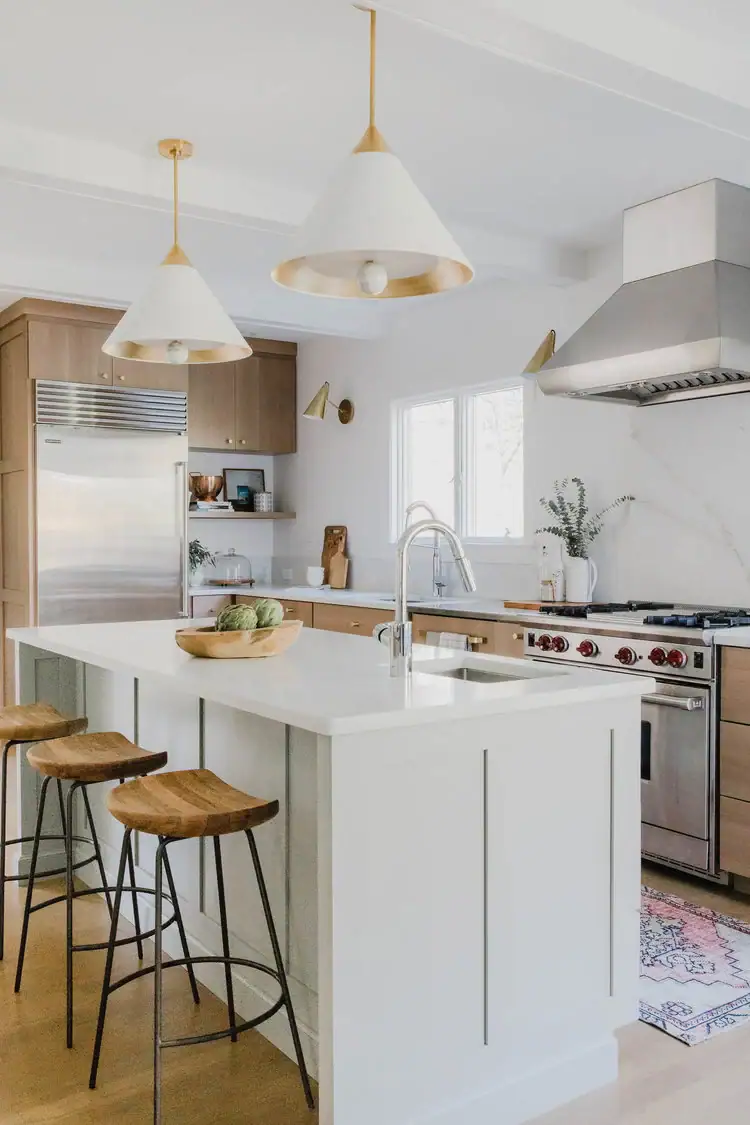
Using Dark Cabinet Colors in a Small Kitchen
Dark cabinets can work in a small kitchen, but only when they are used with intention and balanced with everything around them.
The mistake most people make is using dark colors without thinking about contrast, lighting, or how much of the kitchen they actually cover.
When done right, darker shades can add depth and make the space feel grounded instead of flat or one-dimensional.
If you go dark, balance becomes everything, especially with your walls, countertops, and backsplash working together to keep the space from feeling closed in.
One of the easiest ways to do this is by keeping surrounding surfaces lighter so the cabinets do not take over the entire room visually.
This contrast helps define the space while still allowing light to move across the kitchen instead of getting absorbed too heavily.
Using dark shades on lower cabinets while keeping upper cabinets lighter is another way to keep the space feeling more open.
This setup keeps the visual weight lower, so your kitchen does not feel top-heavy or smaller than it actually is.
You can also soften the look by choosing a slightly muted dark tone instead of something too bold or saturated.
If you are unsure where to start, looking through kitchen cabinet colors for small kitchens can give you examples of how darker shades are used successfully.
Dark cabinets are not something to avoid; you just have to use them in a way that supports the space instead of working against it.
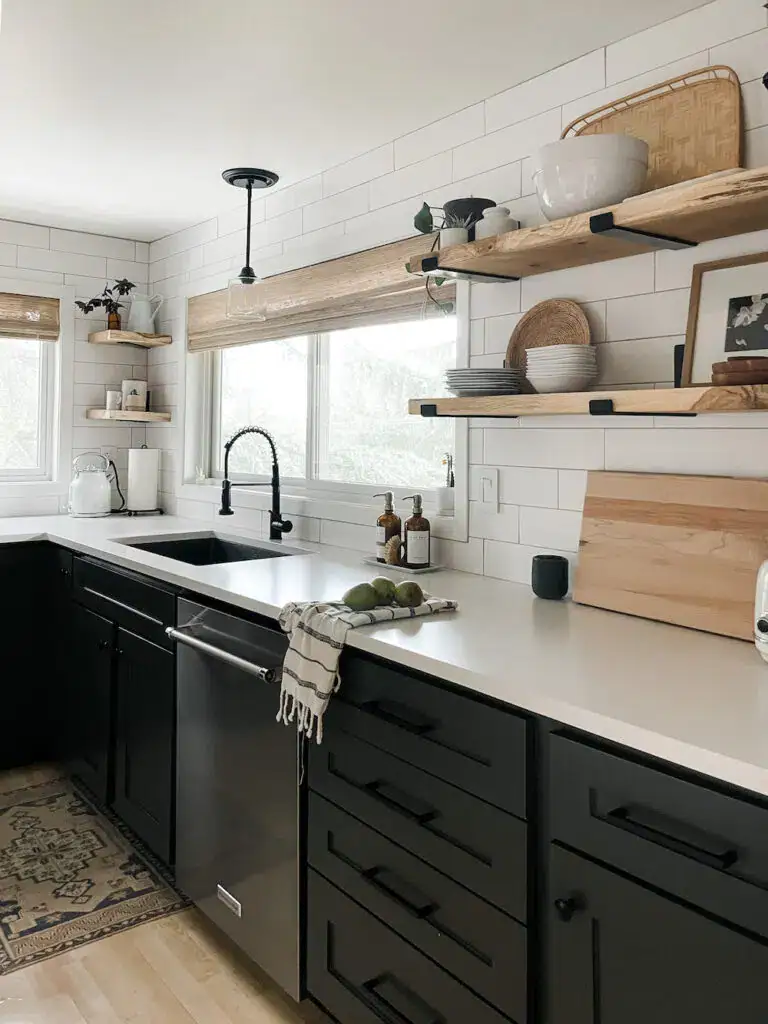
How Lighting Affects Small Kitchen Cabinet Colors
Lighting is the one thing that can completely change how your cabinet color looks, even if you chose the perfect shade.
A color that looks soft and balanced during the day can feel dull, yellow, or darker at night, depending on your lighting setup.
That is why you never want to choose cabinet colors based on samples alone without seeing how they react in your actual kitchen.
Natural light is the easiest to work with because it keeps colors looking more true, especially when it comes from multiple directions.
When your kitchen gets limited daylight, lighter shades help bounce light around so the space does not feel dim or closed in.
Artificial lighting matters just as much, especially the type of bulbs you use and where the light is placed throughout the room.
Warm bulbs can pull out yellow tones in paint, while cooler bulbs can make colors feel flat or slightly gray, depending on the shade.
Under-cabinet lighting is one of the easiest ways to improve how your cabinets look because it reduces shadows and adds depth.
When light reaches more surfaces, your cabinets feel more connected to the rest of the kitchen instead of sitting in darker pockets.
If your lighting is not ideal, choosing colors that help reflect natural and artificial light can make a noticeable difference right away.
The goal is to work with your lighting, not against it, so your cabinet color looks consistent and balanced from morning to night.

Mistakes to Avoid When Choosing Small Kitchen Cabinet Colors
It is easy to pick a color that looks beautiful on its own, but does not actually work once it is inside your kitchen.
Most mistakes happen when color is chosen without thinking about lighting, finishes, or how everything connects as a whole.
Once you know what to avoid, it becomes much easier to choose a cabinet color that truly works in your space.
- Choosing a color that is too dark for your lighting: Going too dark in a space with limited light can make your kitchen feel tighter and heavier than it actually is. If you love darker tones, balance them with lighter walls, reflective surfaces, or use them only on lower cabinets to keep things open.
- Ignoring how your finishes work together: Cabinet colors that do not relate to your floors, countertops, or backsplash can make the space feel disconnected and visually busy. Try to pull a tone from your existing finishes so everything feels intentional and easier on the eyes.
- Using too much contrast between surfaces: High contrast between cabinets, walls, and counters can break up the room and make a small kitchen feel more cramped. Soft transitions between colors help the space feel smoother and more open instead of being divided into sections.
- Skipping paint samples in your own space: Colors almost always look different at home compared to online or in a store because lighting changes everything. Test samples on your cabinets and look at them throughout the day before making a final decision.
- Overcomplicating your color choices: Trying to mix too many tones or styles can make a small kitchen feel cluttered, even if the layout is simple. Keeping your palette focused makes it easier to create a space that feels calm, balanced, and easy to maintain.

Frequently Asked Questions
What color cabinets make a small kitchen look bigger?
Light and soft neutral cabinet colors help a small kitchen feel bigger because they reflect light and reduce visual breaks across surfaces. Shades that blend with your walls and finishes make the space feel smoother, helping everything look more open and easier to move through.
What is the best cabinet color for a small kitchen with no natural light?
Soft whites, creamy neutrals, and light greige tones work best because they help brighten the space without feeling too stark or cold. These shades reflect artificial light better, helping your kitchen feel less dim and more comfortable throughout the day.
Can you use dark cabinets in a small kitchen?
Yes, dark cabinets can work if you balance them with lighter walls, countertops, and good lighting so the space does not feel closed in. Using darker shades on lower cabinets while keeping upper areas lighter helps maintain an open and balanced look.
What colors should you avoid in a small kitchen?
Very dark, overly saturated, or heavy colors can make a small kitchen feel tighter, especially when there is not enough lighting to balance them. Colors that clash with your finishes can also make the space feel busy and disconnected instead of calm and cohesive.
Should upper and lower cabinets be the same color in a small kitchen?
Using the same color keeps the space looking simple and connected, which can help a small kitchen feel more open and less divided. If you want variation, keeping upper cabinets lighter than lower ones helps maintain balance while still adding subtle contrast.

Your kitchen does not have to feel perfect to feel good, it just needs choices that work together and support how you use it every day.
The right small kitchen cabinet colors can completely change how your space feels, helping it look brighter, more open, and easier to live in.
Start with one small step, test a few colors in your space, and pay attention to how they look throughout the day before deciding.
When your cabinet color works with your lighting, layout, and finishes, everything starts to feel more balanced without needing a full redesign.
So, use my tips and ideas as your starting point, then choose the shade that makes your kitchen feel lighter, calmer, and more like home.