Choosing the best coastal colors for living rooms can feel overwhelming when every paint swatch looks different once you bring it home.
If you’ve been searching for coastal decorating ideas, you may have realized that creating a light, relaxed space is not as simple as picking a pretty shade of blue.
One color can look bright and airy in one room but feel dark or chilly in another depending on lighting.
Warm neutrals may seem like the safer choice, yet they can easily miss that fresh coastal feeling you are hoping for.
It is also easy to wonder whether cool or warm tones will work best with your furniture, flooring, and natural light.
Choosing the right paint color should make decorating the rest of the room feel easier, not harder, while creating balance.
If you are also planning to refresh other spaces, these ideas pair beautifully with my favorite coastal kitchen colors and tips for choosing neutral paint colors.
This post may contain affiliate links. As an Amazon Associate and a participant in other affiliate programs, I earn a commission on qualifying purchases at no additional cost to you.

The good news is that once you understand how warm and cool coastal colors work, narrowing down your options becomes much less stressful.
I’m excited to share my favorite color combinations, decorating tips, and designer tricks that have worked beautifully in my own home and for clients over the years.
So, let me help you choose a coastal color palette that brings your living room to life and creates the calm, welcoming space you’ve been dreaming about!
Quick Glance
- Best for living rooms where you want a relaxed coastal feel with soft, airy colors that make the space feel fresh, warm, and inviting.
- Coastal color doesn’t mean painting everything bright blue. The most timeless looks lean on soft neutrals with one or two ocean-inspired accents.
- Natural light completely changes how coastal shades read on your walls. Always test a paint swatch at different times of day before committing.
- Sandy beiges and driftwood greiges work as excellent neutral foundations that pair well with almost any coastal accent color.
- Sea glass greens and blue-grays are among the most versatile coastal shades because they work in both sunny and low-light rooms.
- You don’t have to repaint to get a coastal feel. Textiles, furniture, and decor can carry the color story just as effectively.
- Avoid going too saturated with blues or greens. Muted, dusty versions of these colors almost always feel more sophisticated and restful.
Why You Will Love Decorating Your Living Room In Coastal Colors
Decorating with coastal colors creates a living room that feels bright, peaceful, and welcoming every time you walk through the door.
These timeless shades are inspired by the beach, making them easy to live with long after decorating trends have come and gone.
I also love how soft blues, warm sandy neutrals, and gentle greens work together to create a space that feels relaxed without looking plain.
Even better, these colors bounce natural light around the room, helping smaller spaces feel larger and more open throughout the day.
Coastal palettes are surprisingly flexible because they pair beautifully with everything from modern furniture to weathered wood, woven textures, and family heirlooms.
If you want to carry the same fresh style throughout your home, you will also love these coastal fireplace mantel decor ideas for creating a cohesive look from room to room.
Once you have your color palette in place, adding layered textures and simple accessories becomes one of the easiest and most rewarding parts of decorating.
What Makes a Coastal Living Room Color Palette Feel Timeless
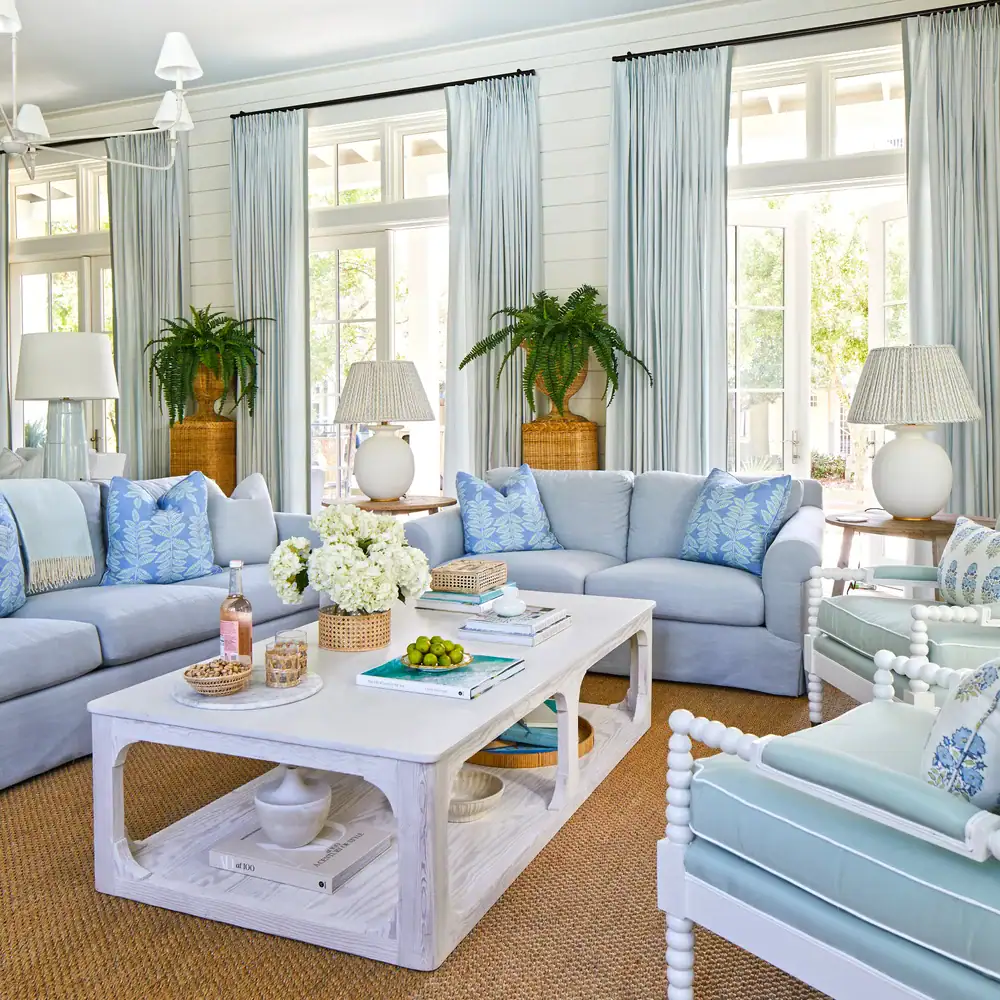
The most beautiful coastal living rooms always take their inspiration from nature, using colors you would naturally see along the shoreline.
I find that the most timeless spaces combine two or three complementary shades instead of relying on one color throughout the entire room.
Texture is just as important as paint, so I love mixing linen fabrics, woven baskets, jute rugs, and light wood finishes to create warmth and depth.
Keeping blues and greens soft instead of overly bright gives the room a relaxed look that never feels trendy or overdone.
These muted coastal shades also make it much easier to refresh your decor over time without needing to repaint everything.
If you love this effortless style, you will also find plenty of inspiration in these coastal chandelier ideas to complete the look from ceiling to floor.

The Best Coastal Colors for Living Rooms
Choosing the right paint color is always where I recommend starting because it sets the tone for every decorating decision that follows.
The best coastal colors for living rooms fall into six timeless families, and each creates a different mood while still feeling relaxed and inviting.
As you pick your favorite, think about your home’s natural light, furniture, and the atmosphere you want to create before making your final choice.
Soft Coastal Whites
This timeless choice brightens the room while creating a light, welcoming atmosphere that never feels cold or sterile. I love pairing it with warm wood finishes, woven textures, and subtle blue accents for an effortless coastal look.
Sandy Beiges
These warm, earthy tones create a cozy foundation without making your living room feel dark or heavy. Shades like Sherwin Williams Agreeable Gray look especially beautiful in rooms filled with natural light and layered with woven textures.
Sea Glass Greens
This fresh, nature-inspired choice captures the peaceful feeling of the shoreline while adding subtle color without overwhelming the room. I love pairing it with linen fabrics, rattan furniture, and light wood finishes for an effortless coastal look.
Soft Ocean Blues
Nothing creates a relaxed coastal atmosphere quite like a gentle blue inspired by the sea and sky. If you love decorating with this timeless hue throughout your home, you will also enjoy these coastal blue bedroom ideas for more inspiration.
Blue-Gray Coastal Colors
This versatile shade shifts beautifully throughout the day, appearing cooler in bright sunlight and slightly warmer as evening arrives. It also pairs effortlessly with nearly every furniture style, wood finish, and accent color you already own.
Driftwood Greige
Inspired by weathered wood along the shoreline, this warm neutral adds depth while keeping your space light and inviting. It is also an excellent choice for open-concept homes, and these coastal front porch ideas can help you carry the same relaxed style to your home’s exterior.

How to Choose the Right Coastal Colors for Your Living Room
Natural light should always be the first thing you consider because it can completely change the way a paint color looks throughout the day.
Rooms with limited sunlight usually feel warmer with soft whites, greige, or sandy neutrals, while brighter spaces can easily handle cooler blues and sea-inspired greens.
It’s also best to consider your existing furniture, flooring, and finishes so your new wall color complements what you already have rather than competing with it.
Before making your final decision, paint two or three sample swatches directly on your walls and watch how they change from morning to evening.
Living with those samples for a couple of days has saved both my clients and me from making more than a few expensive mistakes.
If you’re still narrowing down your options, these paint colors for your living room can give you even more inspiration before you commit to your final choice.

Best Neutral Coastal Colors for Living Rooms
Neutral coastal colors create a calm, airy foundation that makes your living room feel relaxed, welcoming, and effortlessly connected to nature.
The right neutral shades also work beautifully with natural textures like linen, jute, cotton, and woven wood throughout your coastal living room.
These are our top choices because they remain easy to decorate around while keeping your space feeling timeless, comfortable, and naturally coastal.
- Benjamin Moore – White Dove OC-17: This soft warm white keeps a coastal living room feeling bright and open while adding enough warmth to avoid a stark, overly crisp look.
- Sherwin Williams – Alabaster SW 7008: This creamy off-white creates a relaxed backdrop that works beautifully with natural wood, woven textures, soft blue accents, and warm neutral furnishings.
- Sherwin Williams – Accessible Beige SW 7036: This versatile beige adds gentle warmth without feeling too yellow, making it an excellent choice for a cozy coastal living room with natural materials.
- Benjamin Moore – Pale Oak OC-20: This soft greige brings subtle depth to the walls while maintaining an airy appearance, making it especially useful in living rooms with light wood and blue accents.
- Sherwin Williams – Natural Linen SW 9109: This warm neutral has an organic, sandy quality that feels naturally connected to coastal spaces without making the room look overly themed.
- Benjamin Moore – Edgecomb Gray HC-173: This soft greige offers a balanced neutral backdrop that complements driftwood tones, woven furniture, creamy fabrics, and muted coastal accessories.

Coastal Color Palettes That Always Work
Some color combinations never go out of style, and I find myself recommending them again and again for coastal living rooms.
One of my favorite combinations pairs crisp white walls with warm wood furniture and soft blue accents for a space that feels bright, relaxed, and welcoming.
Another beautiful option combines warm beige tones with gentle greens, woven textures, and natural fibers to create an organic feeling inspired by the shoreline.
For a slightly cooler look, pair soft white walls with blue-gray upholstery, light wood furniture, and muted blue accents for a peaceful, layered atmosphere.
If you prefer something with more contrast, blue-gray walls, creamy upholstery, and aged brass finishes create a sophisticated coastal look that still feels warm and inviting.
Would you like to save this post?
For a softer palette, try creamy walls with sandy beige furniture, pale green accents, and woven accessories to create a relaxed room with plenty of natural texture.
You can also bring in deeper coastal tones through smaller pieces, such as accent pillows, artwork, rugs, or decorative objects, without making the room feel too dark.
No matter which palette you choose, I recommend limiting your main colors to three and letting natural textures bring the room to life.
Keeping the strongest colors in smaller doses makes it easier to refresh your living room as seasons, decorating preferences, or furniture choices change.
If you’re decorating beyond the living room, these coastal table decor ideas will help you carry the same relaxed color palette into your dining space.

How Lighting Affects Coastal Living Room Colors
Natural light is one of the easiest things to overlook when choosing paint colors, but it can completely change how a shade looks throughout the day.
A soft blue might look calm and beautiful in the afternoon, then suddenly feel cooler once the sun goes down and your lamps turn on.
North-facing rooms usually have cooler, softer light, so warmer coastal shades can help the space feel more comfortable and inviting.
South-facing rooms receive stronger sunlight, making them a great match for cooler blues and greens that might otherwise feel chilly.
Your light bulbs matter too, especially because different bulbs can change the warmth and overall appearance of your coastal colors at night.
LED bulbs come in different color temperatures, with warmer 2700K bulbs creating a softer glow while cooler 4000K to 5000K bulbs look brighter and crisper.
Incandescent bulbs give off a warm, yellowish glow that can make whites, creams, and beige shades look warmer than they appear during daylight.
Halogen bulbs also create warm, bright lighting that can bring out beige and wood tones while making cooler colors feel slightly softer.
I usually recommend mixing warm light sources, such as table lamps and floor lamps, with your overhead lighting to create a cozy evening atmosphere.
Before committing to a paint color, test your samples during both daytime and evening hours so you can see how they actually look under your home’s lighting.

How to Add Coastal Color Without Painting Your Walls
If you are renting or simply not ready for a full painting project, you can still bring beautiful coastal colors into your living room.
Soft furnishings and decorative accessories make it easy to experiment with different shades without making a permanent change to your space.
A large area rug in sea glass green, sandy beige, or soft blue can anchor the room while immediately changing the overall color story.
Throw pillows and cozy blankets are another simple option, letting you introduce ocean blues, seafoam greens, and sandy neutrals without spending too much.
Curtains in soft white, natural linen, or muted coastal shades can add color while making your windows feel taller and your room feel more open.
Artwork featuring coastal landscapes, abstract water scenes, or botanical imagery can bring both color and personality to otherwise neutral walls.
You can also introduce coastal colors through accent chairs, ottomans, or a small bench that adds personality without replacing your larger furniture pieces.
Decorative items like ceramic vases, table lamps, woven baskets, and coffee table accessories offer smaller opportunities to bring in coastal shades throughout the room.
If you want an easy seasonal refresh, simply switch out your pillows, throws, artwork, and smaller accessories whenever you want to try a new coastal palette.
Look into some coastal modern living room ideas for clever ways to bring these relaxed colors into your space through furniture, textiles, and accessories.

Must-Have Decor Pieces for a Coastal Living Room
Pulling together a coastal living room means combining the right colors with the right textures and pieces that feel genuinely collected and relaxed rather than overly themed or matchy-matchy.
The details are everything, and the pieces you choose to fill the space with will make or break the overall coastal feel.
So, I’m going to share some of my favorite must-have pieces for pulling together a beautiful coastal living room.
Tap Photos To Shop

How to Pair Coastal Paint Colors with Furniture
The right furniture can make your coastal paint color feel even more beautiful by creating a balanced and welcoming space.
White and cream pieces work with almost every coastal palette, while warm wood finishes look especially beautiful alongside soft neutrals and earthy tones.
If your furniture has cooler gray or white finishes, gentle blues and muted greens help create a fresh, relaxed atmosphere without feeling too formal.
Even darker furniture can work in a coastal living room when it is balanced with light walls, natural textures, and plenty of sunlight.
I also love incorporating rattan, wicker, and woven accents because they blend effortlessly with every coastal color palette.
To help you finish the room, these affordable accent chairs can give you practical ideas for adding seating that works with your chosen color scheme.

Designer Tips for Creating a Relaxing Coastal Living Room
Always start with your largest surface, which is your walls, before choosing furniture, rugs, or accessories, because the wall color sets the entire emotional tone for the whole space.
Layer at least two to three different textures within your chosen coastal color palette to keep the room feeling rich, warm, and interesting without adding more color.
Keep your window treatments light and breezy in sheer white or natural linen to maximize natural light and reinforce that open, airy coastal atmosphere you are going for.
Do not be afraid to mix in warm metallic accents like aged brass, brushed gold, or warm bronze to add a soft glow that keeps the space from feeling flat.
Bring in some living greenery through potted plants or fresh flowers because coastal spaces always feel more alive and natural when there is something organic in the room.
Less is genuinely more in coastal design, so edit your accessories regularly and resist the urge to fill every surface with decorative items.
Common Coastal Color Mistakes Homeowners Make
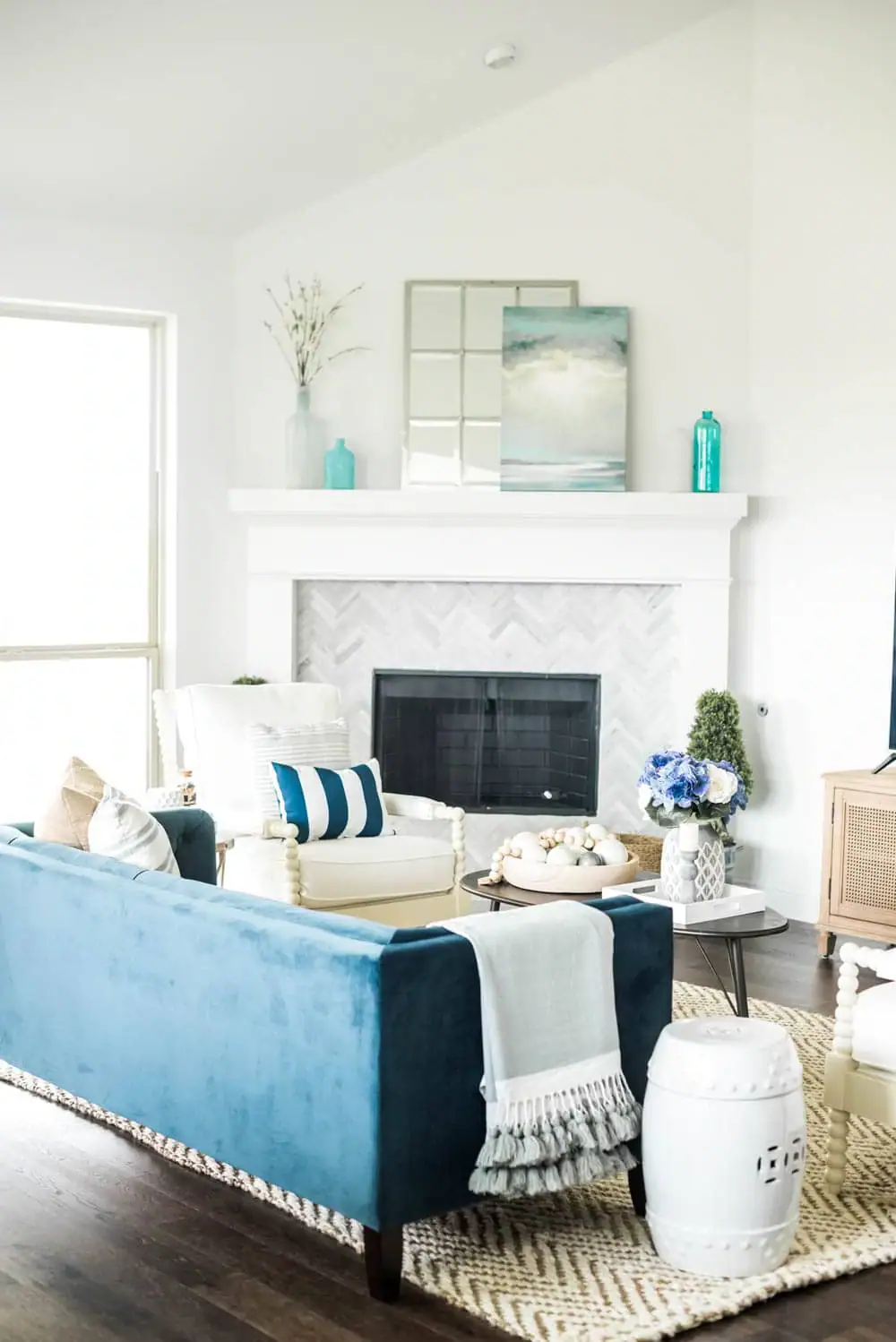
One of the biggest mistakes I see in coastal rooms is using too many shades of blue at once, which ends up feeling more like the inside of an aquarium than a relaxing living room.
Going too stark with bright, cool white is another one because without warm undertones, white can actually make a coastal room feel cold and unwelcoming instead of airy.
Skipping natural textures is a mistake that even well-intentioned decorators make because paint color alone cannot carry the whole coastal look without woven elements, wood, and soft textiles to support it.
Matching everything too perfectly is also a trap because real coastal style has a layered, collected feel that comes from mixing tones and materials, not coordinating every single item.
A lot of people underestimate how much their flooring affects the wall color, and if you have dark floors, some coastal colors can look muddy or disconnected rather than fresh and clean.
Ignoring your room’s natural light when choosing colors is probably the most expensive mistake of all because a color that looks perfect in the store can look completely wrong once it is on your walls at home.

Things to Know
- Blues are replacing whites and grays as the most popular living room wall colors heading into 2027, so now is a great time to go for it.
- Soft whites with warm undertones, like Antique White, always perform better in coastal rooms than stark, bright whites with cool undertones.
- Your ceiling color matters: painting it a soft white or very pale version of your wall color instantly makes a coastal room feel taller and more open.
- Natural fiber rugs are one of the fastest ways to reinforce a coastal palette without changing your wall color at all.
- Lighting is everything. As someone who genuinely believes lighting is the most important element in any room, I can tell you that warm-toned bulbs make coastal colors glow while cool bulbs flatten them.
- If you rent and cannot paint, coastal colors translate beautifully into textiles, pillows, throws, and art so you can still get the full look.
Frequently Asked Questions
What is the most popular coastal color for living rooms right now?
Soft, airy blues are currently the most popular coastal color choice for living rooms heading into 2027. Sherwin Williams named “Upward SW 6239” its 2024 Color of the Year, and that bright, blissful blue has become a go-to for anyone wanting a fresh coastal look. Blues are replacing the long reign of whites and grays as the top wall color choice in coastal-inspired spaces.
Can I do a coastal living room if I do not live near the beach?
Absolutely, coastal decorating is a style, not a location requirement, and it works in any home across the country. The key is pulling from nature-inspired tones like sandy beige, soft blue, sea glass green, and warm white rather than literal beach-themed decor. Focus on the colors and textures, and the feeling follows naturally no matter where you live.
What is the difference between coastal blue and navy in a living room?
Coastal blue is soft, airy, and light, while navy is deep and saturated, giving each a very different feel in a living room. Coastal blues work well on all four walls because they keep the room feeling open. Navy works better as an accent wall, a piece of furniture, or a trim color because too much of it in a living room can feel heavy and dark.
Should I paint all four walls in a coastal color or just one accent wall?
It depends on the size of your room and how much natural light it gets, but most coastal rooms look best with consistent color on all four walls. An accent wall can work if you want to add depth or bold color without committing to the full room. For softer coastal tones like whites, beiges, and pale blues, painting all four walls tends to give you that seamless, calm feel that coastal decorating is known for.
What colors should I avoid in a coastal living room?
Avoid very dark, saturated colors and anything that does not have a nature-inspired undertone, like bright orange, hot pink, or stark cool white. These colors fight against the relaxed, organic quality that makes coastal rooms feel so appealing. Stick to tones that reference sand, sea, sky, and driftwood, and you will stay well within the coastal palette.

Getting your coastal palette right means your living room becomes the kind of space that feels calm and welcoming every single day, not just when you are in the mood for it.
The best coastal colors for living rooms are the ones that balance cool and warm tones in a way that feels natural, collected, and completely livable.
Start with a warm neutral as your base, layer in your favorite coastal blue or sea glass green as an accent, and let natural textures like linen, rattan, and light wood do the rest of the heavy lifting.
Use my tips above as your starting point, grab a few peel-and-stick samples, and trust the process because the right coastal color will feel obvious once it is on your wall.