Setting up a dedicated space with family game room design ideas can solve scattered toys, tangled controllers, cluttered surfaces, and disorganized living areas.
When your family game room lacks thoughtful planning, even the best game room design can leave everyone uncomfortable, distracted, and frustrated during shared activities.
Board games often end up stuffed inside closets, while controllers, gaming accessories, and cards become scattered across tables, shelves, and other surfaces.
Without a dedicated setup, family game nights can quickly become chaotic, especially when children, teenagers, and adults have different preferences.
A poorly planned room can also make cleanup feel exhausting, leaving you with another messy area instead of a relaxing place for everyone.
Kids may lose interest when games are difficult to reach, while teenagers may avoid spaces that feel childish, cramped, or poorly organized.
Limited storage can make the situation worse, especially when every console, board game, puzzle, controller, and accessory needs its own accessible place.
This post may contain affiliate links. As an Amazon Associate and a participant in other affiliate programs, I earn a commission on qualifying purchases at no additional cost to you.

So, I’m thrilled to share practical family game room design ideas covering layouts, colors, decor, storage, organization, and affordable updates for different spaces.
These simple ideas can help you create a comfortable room where different ages can play together while keeping everything organized and easy to access.
Get ready to rethink your available space and use these tips to create a fun family game room everyone will genuinely want to enjoy!
Quick Glance
Here are a few notable things to not miss!
- Create separate zones for video games, tabletop games, and active play so everyone can enjoy the room comfortably.
- Choose colors like navy, teal, or green with neutral furniture for an energetic yet comfortable space.
- Add labeled bins, shelving, and cord management early to keep games, controllers, and accessories organized.
- Save money by repurposing furniture, using removable wallpaper, and shopping secondhand for game room pieces.
- Design the room for kids, teens, and adults with seating and activities suited to different ages.
- Add smart lighting, quality sound, and a mounted screen to make the room more functional and enjoyable.
Why Every Home Needs a Family Game Room
A dedicated family game room gives everyone a comfortable place to play, relax, laugh together, and enjoy quality time without constant distractions.
When games happen in the living room, toys, controllers, cards, and other supplies can quickly make the space feel cluttered.
Your dining table can also become buried under puzzles and board games, making everyday meals harder to enjoy together.
Having one designated room keeps gaming supplies organized while giving every family member a place to enjoy their favorite activities.
It also makes family game nights easier because everything stays nearby, from board games and controllers to comfortable seating and snacks.
You can create separate areas for different activities, making the room work better when everyone wants to play something different.
Kids can have space for creative games, while older children and adults can enjoy video games, cards, puzzles, or tabletop activities.
A dedicated room also gives your family somewhere to gather without competing with household chores, television schedules, or everyday responsibilities.
With thoughtful planning, even a small room can become a comfortable gathering spot that encourages more laughter and shared memories.
The right family game room design ideas can help you create a space your family genuinely enjoys using again and again.

How To Plan Your Family Game Room Layout
Before buying furniture, take time to measure your room, locate outlets and windows, and think carefully about comfortable traffic flow.
A little planning beforehand can help prevent crowded walkways, blocked screens, awkward furniture placement, and frustrating game nights for everyone.
Start by deciding what activities your family wants most, whether that means video games, board games, foosball, billiards, or relaxed seating.
Each activity needs enough room around it, so planning individual areas first can help your finished game room feel comfortable.
If you are considering bonus room ideas for a family, start with the existing layout to create a comfortable, functional game room.
Think about where furniture will sit, how people will move between activities, and whether everyone can comfortably access their favorite games.
Creating separate zones can make a busy family game room feel more organized without needing walls or complicated construction.
Area rugs, lighting choices, and furniture placement can visually separate gaming spaces from tabletop activities while keeping the entire room connected.
For furniture placement, learning how to arrange furniture plan a new space in your home can help simplify your decisions.
Keep louder gaming areas away from quieter reading or puzzle spaces so different family members can enjoy separate activities together peacefully.

Popular Family Game Room Color Schemes
Color sets the mood throughout your game room, so choosing the right palette can make the space feel energetic without becoming distracting.
The best colors create excitement while still feeling comfortable, especially when your family spends several hours playing, relaxing, and talking together.
Navy blue paired with warm white and natural wood creates a balanced look that feels playful, organized, and welcoming for everyone.
You can use navy on an accent wall, then bring in white shelving and natural wood furniture for warmth and balance.
Rope details, woven baskets, and rattan accessories can add relaxed texture if you enjoy coastal decorating ideas throughout your home.
For something brighter, consider bold green or deep teal paired with neutral furniture for a colorful room that still feels comfortable.
These shades work especially well when colorful game boxes, toys, controllers, and accessories already bring plenty of visual activity into the room.
If your family prefers modern spaces, try gray and charcoal with small pops of red or orange for an energetic finishing touch.
Neutral walls also give you more flexibility when changing furniture, artwork, rugs, or accessories as your family grows and tastes change.
Whatever palette you choose, aim for colors that make everyone feel comfortable while creating an exciting atmosphere for game nights together.

Best Family Game Room Decor to Use
The right decor can make your family game room feel more inviting while giving the space personality without making it feel overly busy.
Would you like to save this post?
Choose pieces that support how your family uses the room, from comfortable seating and playful artwork to practical surfaces for snacks.
Mixing useful pieces with decorative touches creates a room that feels fun, organized, and comfortable enough for everyday family time together.
Tap Photos To Shop

Tips for Designing a Game Room the Whole Family Will Use
The biggest mistake is designing the game room around one person’s preferences, leaving everyone else without activities they genuinely enjoy.
Instead, create several activity areas at different heights and sizes so younger children, teenagers, and adults can comfortably share space.
A low table with floor cushions works well for younger children playing cards, building with LEGO, or enjoying simple tabletop activities.
A standard-height table with comfortable chairs gives older children and adults enough room for board games, puzzles, crafts, and snacks.
A standing-height bar table near the gaming setup creates a casual spot where teens and parents can watch, chat, or rotate turns.
If you are creating a more inclusive entertainment space, these tips create family friendly media room can help guide your setup.
Think about movement too, because leaving enough open space makes it easier for everyone to walk around without interrupting another activity.
Comfortable seating should also support different preferences, giving family members options for sitting upright, lounging, or relaxing between games.
Storage should stay accessible, so younger children can grab their games independently while older family members can quickly organize their supplies.
When every age group has something enjoyable to do, your game room becomes a shared gathering place instead of another screen-focused space.

Storage and Organization Ideas for Your Family Game Room
Good storage keeps your family game room functional, making it easier to find games, organize accessories, and maintain a tidy space.
Without a clear system, game pieces, tangled cords, controllers, and remotes can quickly turn your fun space into another cluttered area.
Start planning storage early so every item has a designated place and everyone knows where things belong after game nights.
Built-in shelving works especially well when you have the budget, giving board games and decorative pieces an easy-to-access home.
Keep frequently used games on open shelves while placing toys, smaller supplies, and less attractive items inside closed cabinets.
Labeled bins are especially helpful for younger children because they can quickly identify where cards, building pieces, and accessories belong.
For cords, use cable raceways along the baseboards and reusable cable ties to keep wires neat and safely out of walkways.
A dedicated charging station inside a cabinet or console keeps controllers, tablets, and phones together while making them easy to grab.
The same storage ideas work well here, and my guide on how to organize a playroom offers simple ideas for your game room.
When everything has a designated home, your family can spend less time searching for supplies and more time enjoying games together.

Family Game Room Design Ideas On a Budget
Creating a fun family game room does not mean spending a lot, especially when you plan carefully and shop with your needs in mind.
Some of the best game rooms use affordable pieces, simple updates, and creative ideas instead of expensive custom furniture or renovations.
Start with what you already have, because existing furniture can often become useful storage, seating, or gaming surfaces with little effort.
A large bookshelf from another room can hold board games, while an old coffee table can become a simple card game station.
Painting plain furniture or an accent wall can also refresh the room without costing much, especially when you choose colors thoughtfully.
Thrift stores and Facebook Marketplace can be great places to find affordable game tables, comfortable seating, shelves, and decorative pieces.
A secondhand foosball table can become a fun statement piece after cleaning, repainting, or making a few simple decorative changes.
Removable wallpaper and peel-and-stick tiles can also create personality without making permanent changes, especially when renting or changing styles frequently.
Look for pieces that serve more than one purpose, such as storage ottomans, benches with compartments, or tables with built-in shelves.
With a little creativity and patience, you can create an inviting game room that feels personal without stretching your decorating budget.

Best Family Game Room Design Inspiration
Family Game Room Design Ideas
Turn an ordinary room into a space the whole family will actually want to hang out in with family game room design ideas that feel fun, comfortable, and full of personality.
Think cozy seating, games everyone can enjoy, and clever storage that keeps the room feeling pulled together without taking away from the fun.
From dedicated game tables to playful decor and inviting little corners, these ideas make it easy to create a room where family time naturally happens.
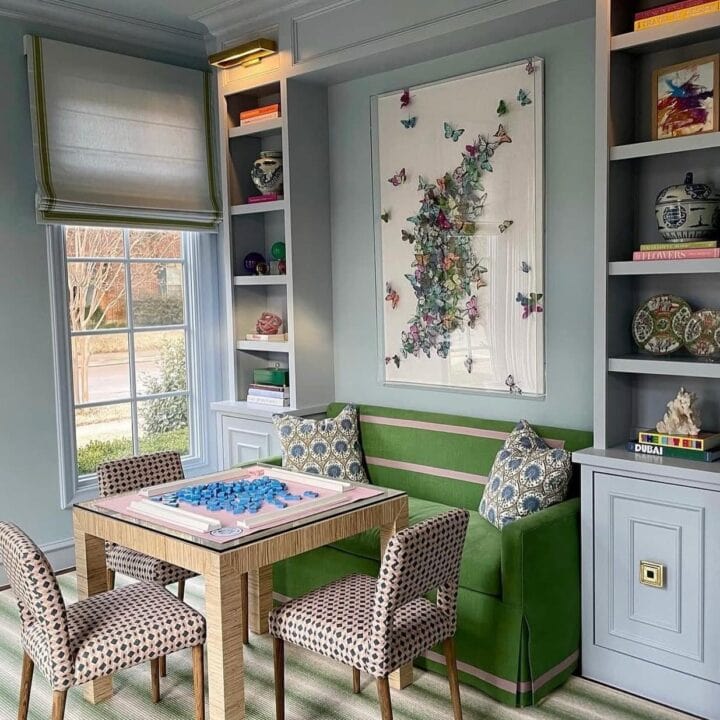
This corner pairs a green bench with patterned chairs, giving family game room design ideas a playful splash of color.
I love how the butterfly artwork and soft blue shelves make the game table feel like somewhere everyone would gather.
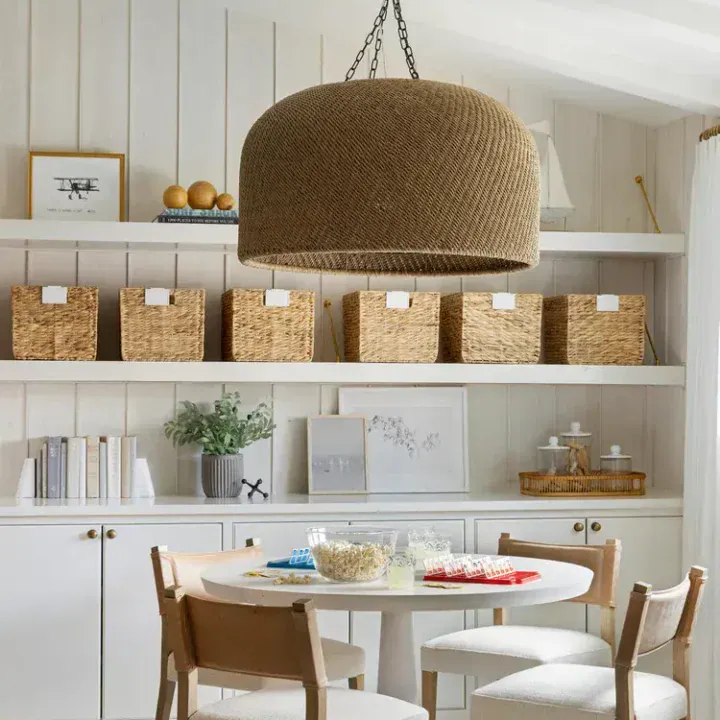
A round white table and cushioned wooden chairs make this family game space feel relaxed enough for games and snacks.
The woven pendant and storage baskets keep things warm and tidy, so you can settle in without moving stuff around.
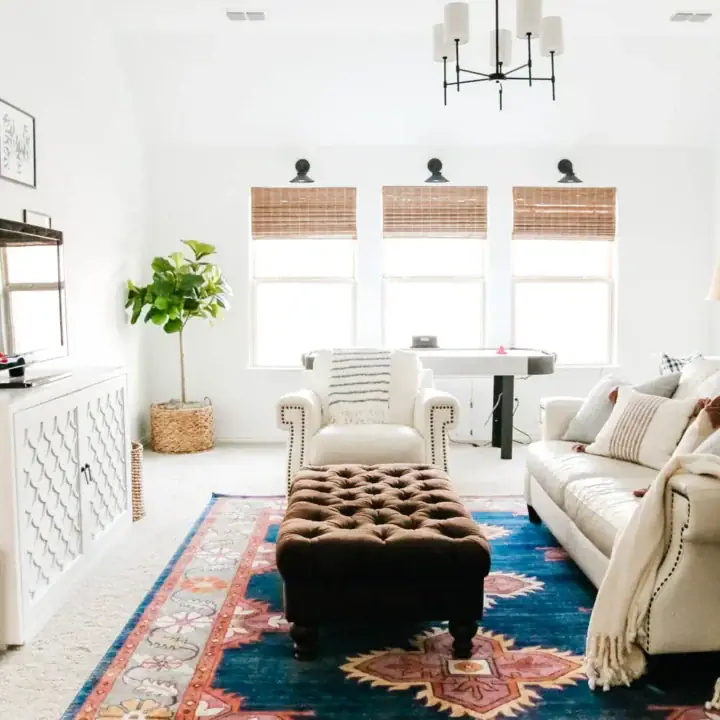
If you like family game room design ideas that feel cozy, this space mixes seating with an air hockey table.
The colorful rug and tufted ottoman bring warmth to the white furniture, making the room feel ready for hanging out.
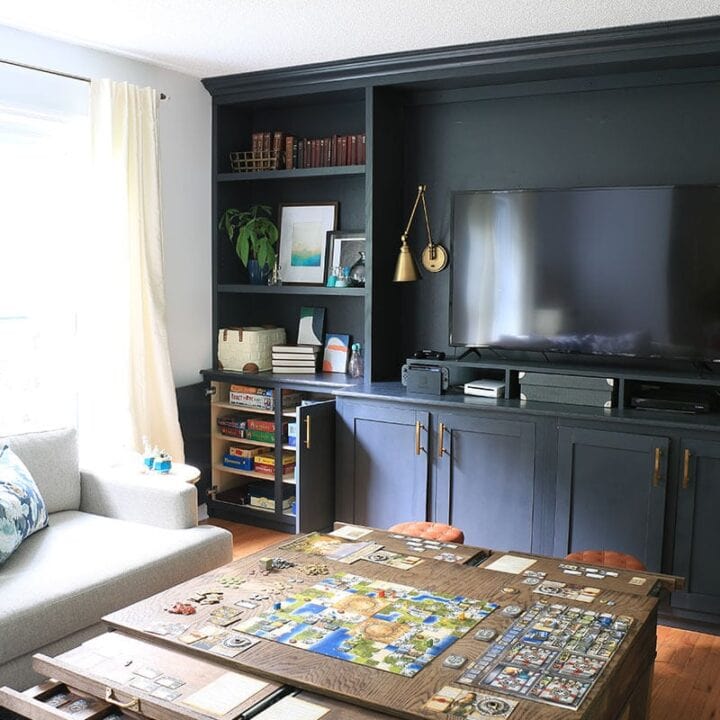
This wooden gaming table has pullout drawers that give everyone their spot for cards and pieces during family game night.
Dark cabinets frame the television, while a pullout shelf keeps board games easy to reach when someone suggests another round.
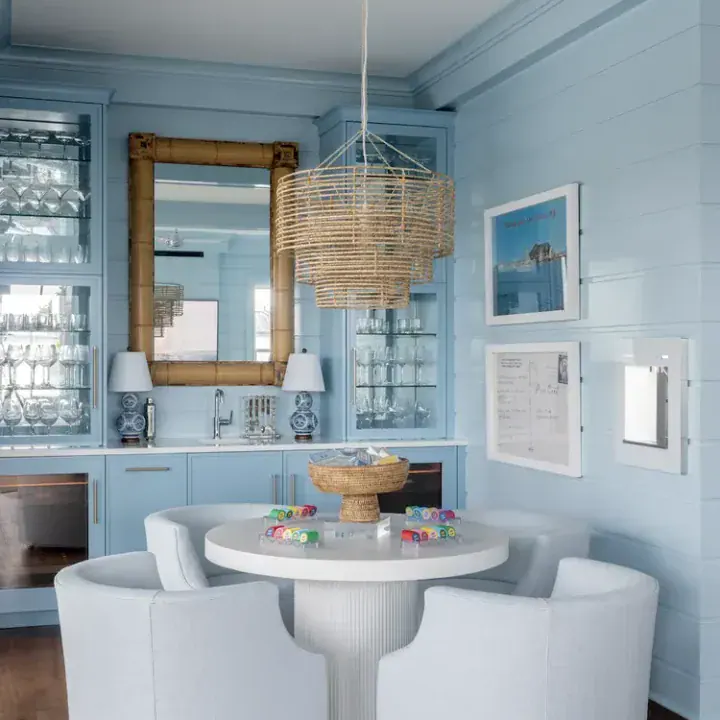
These family game room design ideas pair soft blue walls with a round white table, making game night feel inviting.
The curved chairs look comfortable for longer rounds, and the woven pendant adds a little warmth above the game pieces.
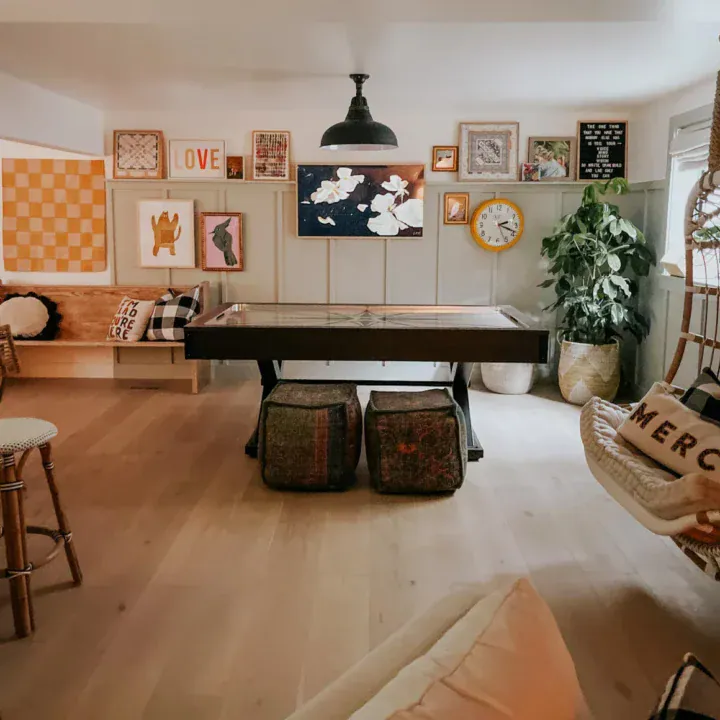
A game table, wooden bench, and hanging chair give this recreation room a relaxed feel that makes you linger longer.
I love how the gallery wall, plants, and tucked away stools make the space feel personal without crowding the floor.
Things to Know
- Gaming “prime time” for most families falls between 5pm and 10pm, especially on Saturdays, so plan your lighting and seating around extended evening use rather than short daytime sessions.
- Lead times on specialty game room furniture are longer than they used to be, so order early if you want something custom.
- Acoustic treatment matters more than most people expect in a game room. Even two or three foam panels on the walls cut down echo significantly and make the space more comfortable during long gaming sessions.
- Performance fabric on upholstered seating is not a luxury in a game room, it is a necessity. Spills, snacks, and sweaty hands after an intense round of Mario Kart are going to happen, and microfiber or outdoor-grade fabric cleans up far more easily than standard upholstery.
- Thers is a real trend toward active game rooms that combine movement with technology. If you have the floor space, leaving a clear open zone for dance games or VR play is worth planning for from the start.
- Flooring choice affects both safety and acoustics. Carpet tiles are a smart pick because they cushion falls for younger kids, absorb sound, and can be swapped out individually if one section gets stained or damaged.
Frequently Asked Questions
What is the minimum room size needed to set up a functional family game room?
A dedicated family game room can work in a space as small as 200 square feet if you plan the layout carefully. That said, 300 to 400 square feet gives you enough room to separate activity zones without things feeling cramped. If you are working with a smaller footprint, prioritize vertical storage on the walls and choose multi-purpose furniture like a table that works for both board games and video gaming to get the most out of every square foot.
What type of flooring works best in a family game room?
Carpet tiles are the most practical flooring choice for a family game room because they are soft, sound-absorbing, and easy to replace section by section. Luxury vinyl plank is another strong option because it handles spills and heavy furniture movement without warping or scratching. Avoid hardwood in a high-traffic game room unless you are committed to using large area rugs throughout, since bare hardwood amplifies noise and shows scuffs quickly under gaming chairs and rolling furniture.
How do I design a family game room that works for both young kids and teenagers?
The key is layering activity zones at different heights and scales so every age group has something designed specifically for them. A low table with floor cushions serves younger kids perfectly for card games, LEGO, and puzzles. A standard height table handles board games for older kids and adults. A dedicated gaming station with proper chairs and a mounted screen gives teens their own corner without taking over the entire room. Keeping these zones visually distinct with rugs and lighting helps everyone feel like the space belongs to them.
What is a realistic budget for setting up a family game room from scratch?
A basic but functional family game room can come together affordably when you shop secondhand and repurpose furniture you already own. A more polished setup can use new furniture, quality gaming equipment, proper shelving, and accent lighting for a comfortable family space. A fully custom room can feature built-in cabinetry, a billiard table, acoustic panels, and premium seating for a more personalized experience.
How do I keep a family game room organized long-term and not just at the beginning?
The system you build at the start determines whether the room stays tidy or slowly descends into chaos, so investing in the right storage from day one is the most important organizational decision you will make. Label every bin and basket clearly so kids of all ages can put things back without adult help. Assign a specific home to every item in the room, from controllers to card decks to charging cables, and do a five-minute reset at the end of each gaming session. Doing a full room reset once a week, pulling out anything that does not belong and restocking supplies, takes less than 15 minutes and keeps the space feeling intentional rather than overwhelming.
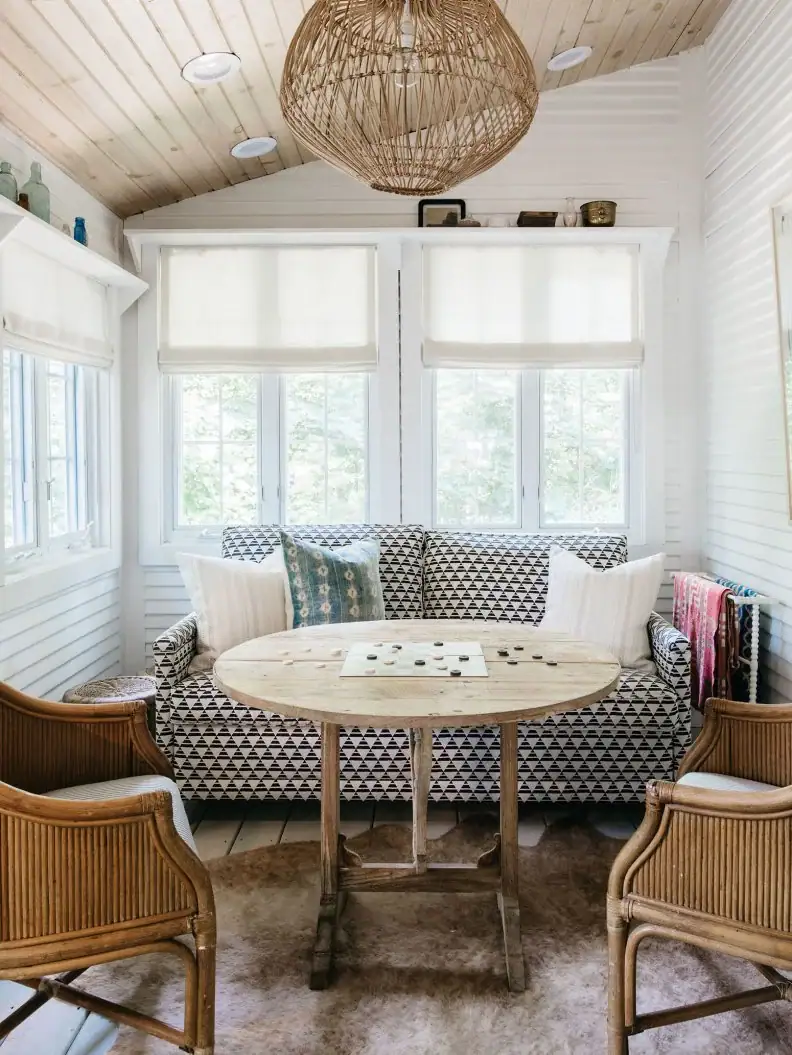
A thoughtfully designed game room gives your family a comfortable place to connect, play, relax, and enjoy more meaningful time together.
The best family game room design ideas focus on smart layouts, practical storage, comfortable seating, and activities everyone can enjoy.
Start with a layout that creates separate areas for gaming, tabletop activities, relaxing, and other interests without making the room feel crowded.
Add your preferred colors, useful storage, comfortable decor, and budget-friendly pieces to create a space that feels personal and inviting.
Choose your favorite idea and start turning your available space into a game room your whole family will love.