





Choosing beach house exterior paint ideas can feel frustrating when you want a coastal look without making an expensive color mistake.
Using reliable paint color guides can simplify the decision when too many shades, undertones, and coastal combinations make choosing the right color difficult.
But some exterior colors can appear dull, harsh, or completely different once they meet bright coastal sunlight under changing coastal conditions today.
Salt air, strong UV exposure, and frequent humidity can also affect how exterior paint looks and ages over time throughout the year.
A color that looks lovely on a small paint chip may appear washed out, flat, or much brighter outside once painted.
Different beach house styles also call for different palettes, so one popular coastal shade may not suit every home equally well.
Choosing the wrong combination can leave your siding, trim, roof, and front door looking disconnected instead of creating a cohesive exterior.
This post may contain affiliate links. As an Amazon Associate and a participant in other affiliate programs, I earn a commission on qualifying purchases at no additional cost to you.
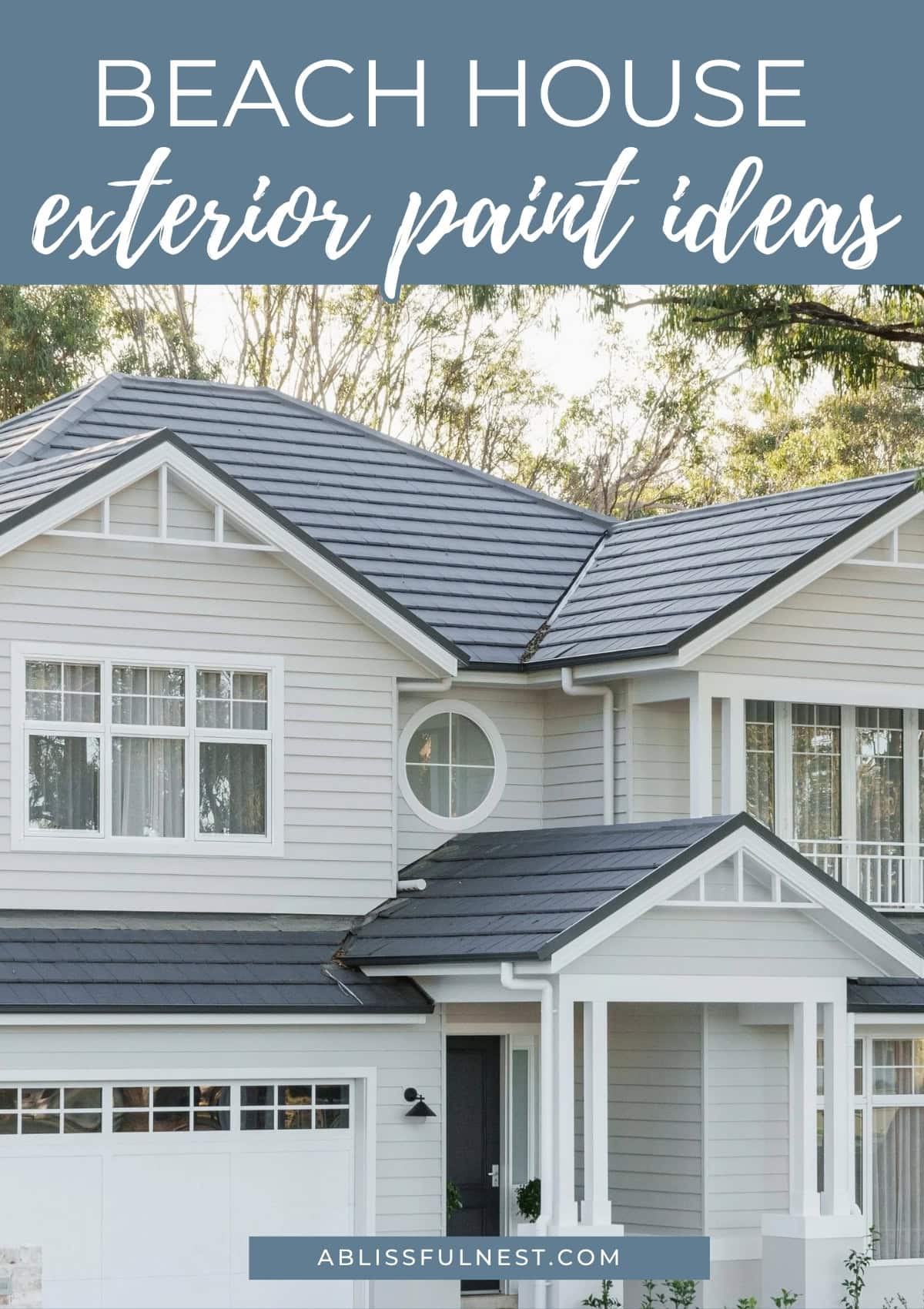
So, I’m going to share practical color ideas, coordinating combinations, and helpful tips to make your color selection easier.
From different home styles to coastal color combinations, I’ve got ideas for doors, roofs, landscaping, and outdoor decor that work together.
Keep these ideas handy as you choose your colors, then start testing your favorite shades to create a coastal exterior you will love.
Quick Glance
Here are a few notable things to not miss!
- Always test paint samples directly on your exterior walls at different times of day before committing to a full color.
- Salt air, UV exposure, and humidity all affect how paint looks and ages, so choose formulas designed for coastal climates.
- Match your color palette to your home’s architectural style for a cohesive, pulled-together exterior.
- Satin and semi-gloss finishes work better for trim and accents in coastal environments because they are easier to clean.
- Classic coastal whites, soft blues, and sandy neutrals stay popular because they take their cues from the landscape itself.
- Check HOA guidelines before finalizing your palette since some coastal communities restrict exterior color choices.
Why Beach House Exterior Paint Colors Never Go Out of Style
There is something about coastal colors that feels timeless, relaxed, and naturally right for a beach house year after year.
The sand, sea, and sky create a beautiful palette that gives you plenty of inspiration without making your exterior feel dated.
The most lasting color combinations usually take cues from nature instead of trying too hard to stand out from everything around them.
Soft blues reflect the ocean and sky, while gentle greens bring to mind sea grass, shallow coastal waters, and breezy summer mornings by the shore.
Warm whites, sandy taupes, and creamy neutrals also work well because they echo the natural tones found around the shore.
These colors stay popular because they already belong to the landscape, making them feel easy and natural year after year.
Even with earthy neutrals trending in the Pantone Color Institute’s 2025 report, classic coastal whites and blues remain reliable choices.
Plus, understated coastal shades tend to age gracefully under strong sunlight and salty air, helping them stay appealing for years.
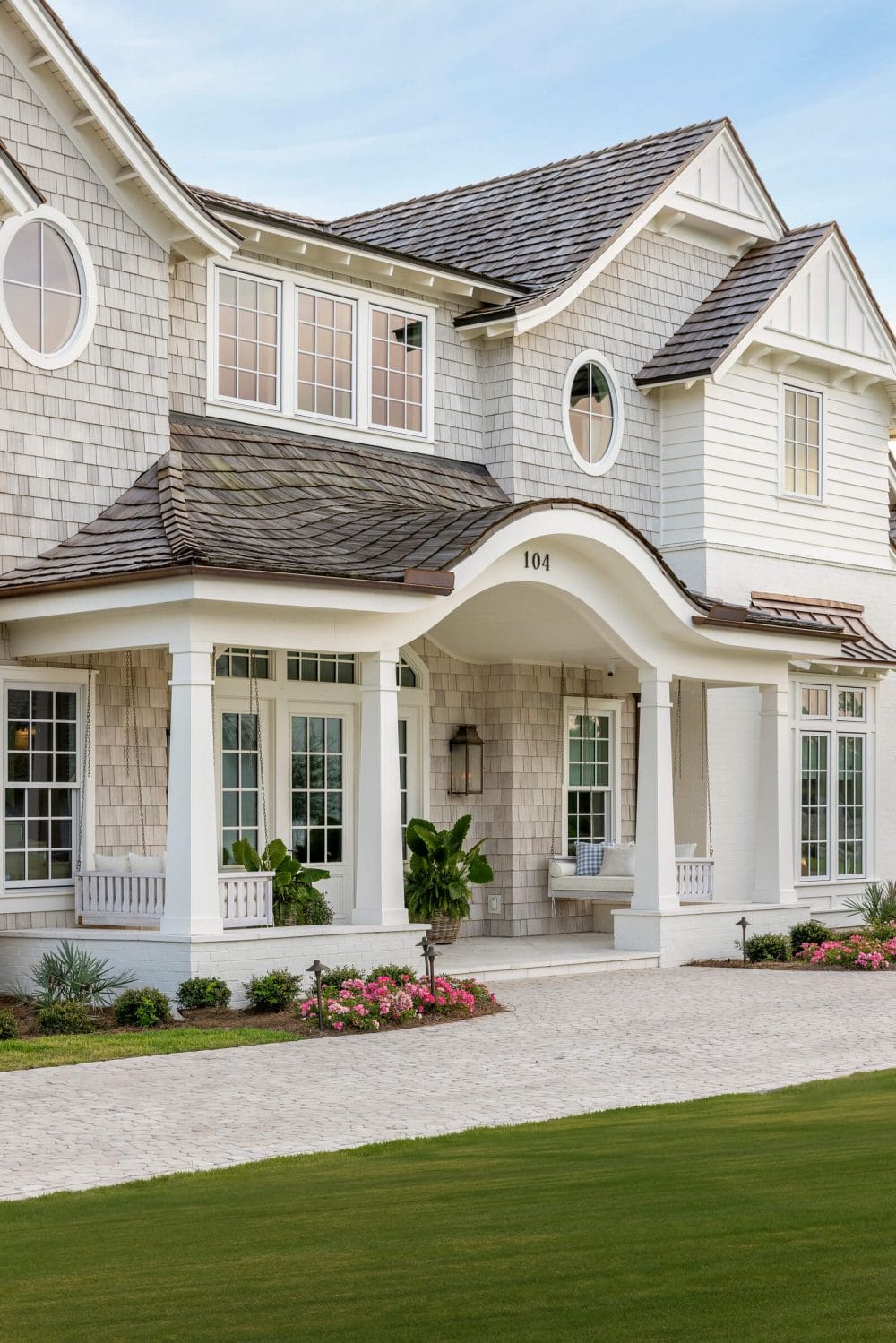
Things to Know Before Selecting Beach House Exterior Paint Colors
Before choosing your favorite shade, think about your local weather because coastal conditions can be especially hard on exterior paint over time.
Salt air, moisture, and strong sunlight can wear down exterior paint, so look for options made to handle humid and sunny conditions.
Always test your paint samples directly on the house because outdoor sunlight can make colors look very different throughout the day.
A color that looks perfect on a small sample may appear much brighter or softer once you see it across your exterior walls.
Soft coastal shades like Sherwin Williams Sea Salt can be a beautiful choice when you want a relaxed color that works with natural surroundings.
Warm whites like Sherwin Williams Alabaster and Benjamin Moore White Dove also work beautifully because they look fresh against bright coastal sunlight.
Flat and matte finishes can help hide small surface flaws, but they may be harder to keep clean in areas with salty air.
Satin or semi-gloss finishes work nicely for trim and accents because they are easier to clean when exposed to moisture and outdoor dirt.
Before choosing your final colors, check your HOA guidelines because some coastal communities may have rules about the exterior shades you can use.
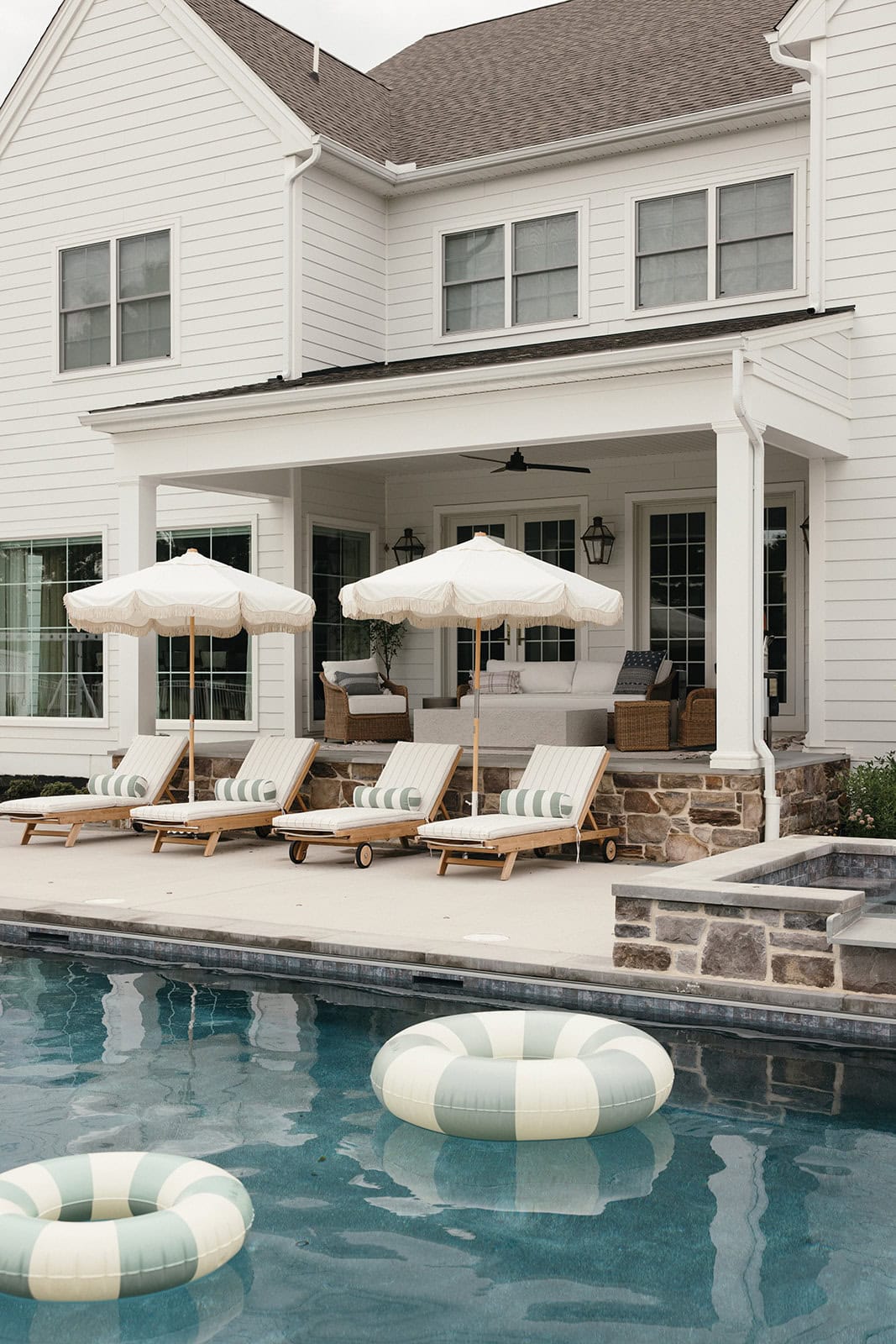
Beach House Exterior Paint Ideas by Home Style
Choosing an exterior color becomes much easier when you consider your home’s architectural style and the feeling you want to create.
Different beach house designs work best with certain color combinations, from soft coastal neutrals to deeper shades with stronger contrast.
Here are some ideas to help you find a palette that feels natural, inviting, and right for your home’s overall design.
Coastal Cottage
Coastal cottages look best with soft, sun-washed colors that create a relaxed feeling without looking overly polished or formal. Try pale seafoam green, weathered white, or sandy taupe with white or off-white trim for a simple, welcoming exterior.
Cape Cod
Cape Cod homes pair naturally with crisp whites, classic navy, and other traditional coastal colors that create a clean, timeless appearance. For a softer update, try warm cream with blue-gray accents to maintain the classic look while giving the exterior a fresher feel.
Modern Coastal
Modern coastal homes give you more freedom to use gray, greige, and deeper shades while still maintaining a relaxed beach-inspired appearance. Try a blue-gray such as Sherwin Williams Misty or a green-toned greige, then add natural wood and soft white accents for balance.
Hamptons Style
The Hamptons style works well with restrained color combinations that feel polished without becoming too formal or visually heavy. Weathered gray or warm taupe siding with crisp white trim and black accents creates a classic look that pairs nicely with manicured landscaping.
Contemporary Beach House
Contemporary beach houses often look best with airy shades such as soft white, pale sand, and barely-there blue for a fresh exterior. You can check out these coastal house exterior paint colors for ideas, then use stronger accents around fascia, windows, and entryways.
Mediterranean Coastal
Mediterranean coastal homes pair beautifully with warm ochres, terracotta, creamy whites, and earthy shades inspired by the surrounding landscape and architecture. Choose warm colors that complement clay tile roofs, then add dusty rose accents or warm green shutters for a relaxed Mediterranean feel.
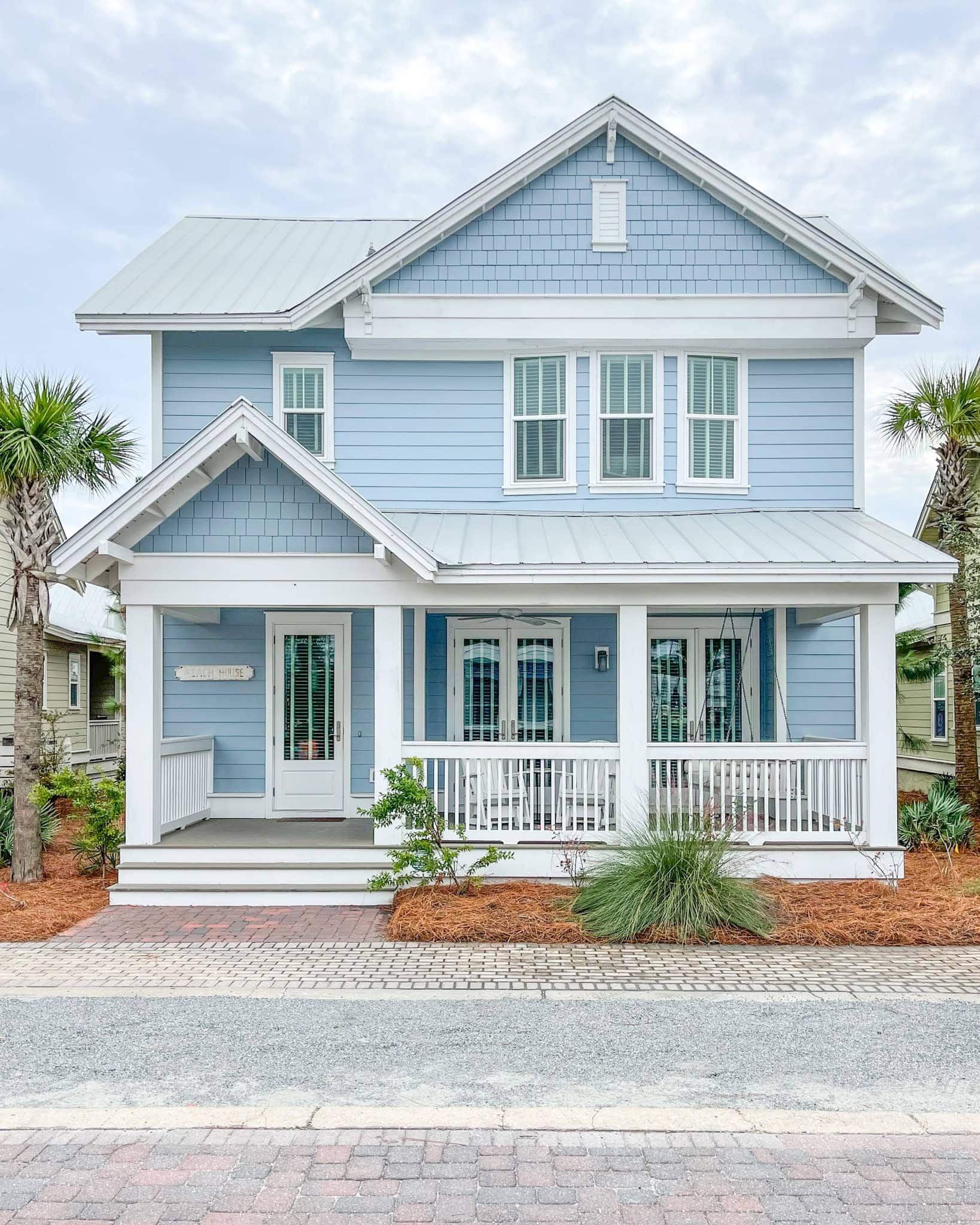
Exterior Color Combinations That Create a Beautiful Coastal Look
Mixing and matching the right coastal exterior house colors can help your beach house feel relaxed, inviting, and naturally connected to the coast.
The easiest way to create a cohesive palette is by pairing a main exterior shade with simple trim and one thoughtful accent.
So, I’m sharing some coastal combinations worth considering if you want your exterior to feel fresh without looking overly trendy.
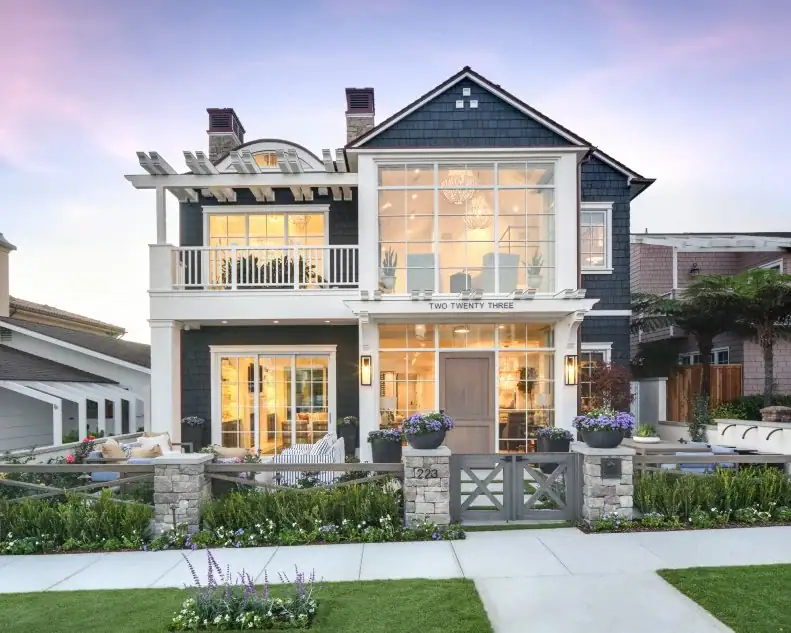
A soft blue-gray body with bright white trim and a navy front door creates an easy coastal look that works beautifully on many beach homes.
For something warmer, pair a sandy taupe body with white trim and pale green accents for a natural palette inspired by the shoreline.
A warm white body with weathered wood trim and soft teal shutters creates a layered look that feels especially fitting for cottages and Cape Cod homes.
If you prefer a crisp coastal look, pair white siding with charcoal trim and a coral or terracotta door for a warm, inviting contrast.
Blue-gray siding with warm beige trim is another simple combination that brings together cool and warm tones without losing its relaxed coastal feeling.
Whichever palette catches your eye, testing each shade outside can help you see how the colors work together in your home’s natural light.
How to Choose the Right Beach House Exterior Paint Color
Start by looking at the fixed elements you cannot change, such as your roof color, driveway material, and any stone or brick details.
These existing elements help anchor your palette, so your exterior paint should work naturally with their colors and textures.
Next, pay attention to your home’s natural light and orientation because sunlight can change how exterior colors appear throughout the day.
South and west-facing facades receive stronger afternoon sun, so lighter colors can help prevent richer shades from looking washed out.
Would you like to save this post?
North-facing walls receive less direct sunlight, so slightly deeper colors can add enough warmth and depth to the exterior.
If resale value matters to you, it also helps to consider popular colors already used throughout your neighborhood and surrounding coastal homes.
Color psychology can also help narrow your choices, especially when you want your beach house to feel calm, welcoming, and connected to nature.
Blues and greens can create a cooler, calming feeling, while sandy taupes and warm whites bring a welcoming and grounded look.
Before making your final decision, test your favorite shades outside and watch them throughout the day to see how they truly look.
Outdoor Decor That Complements Beach House Exterior Paints
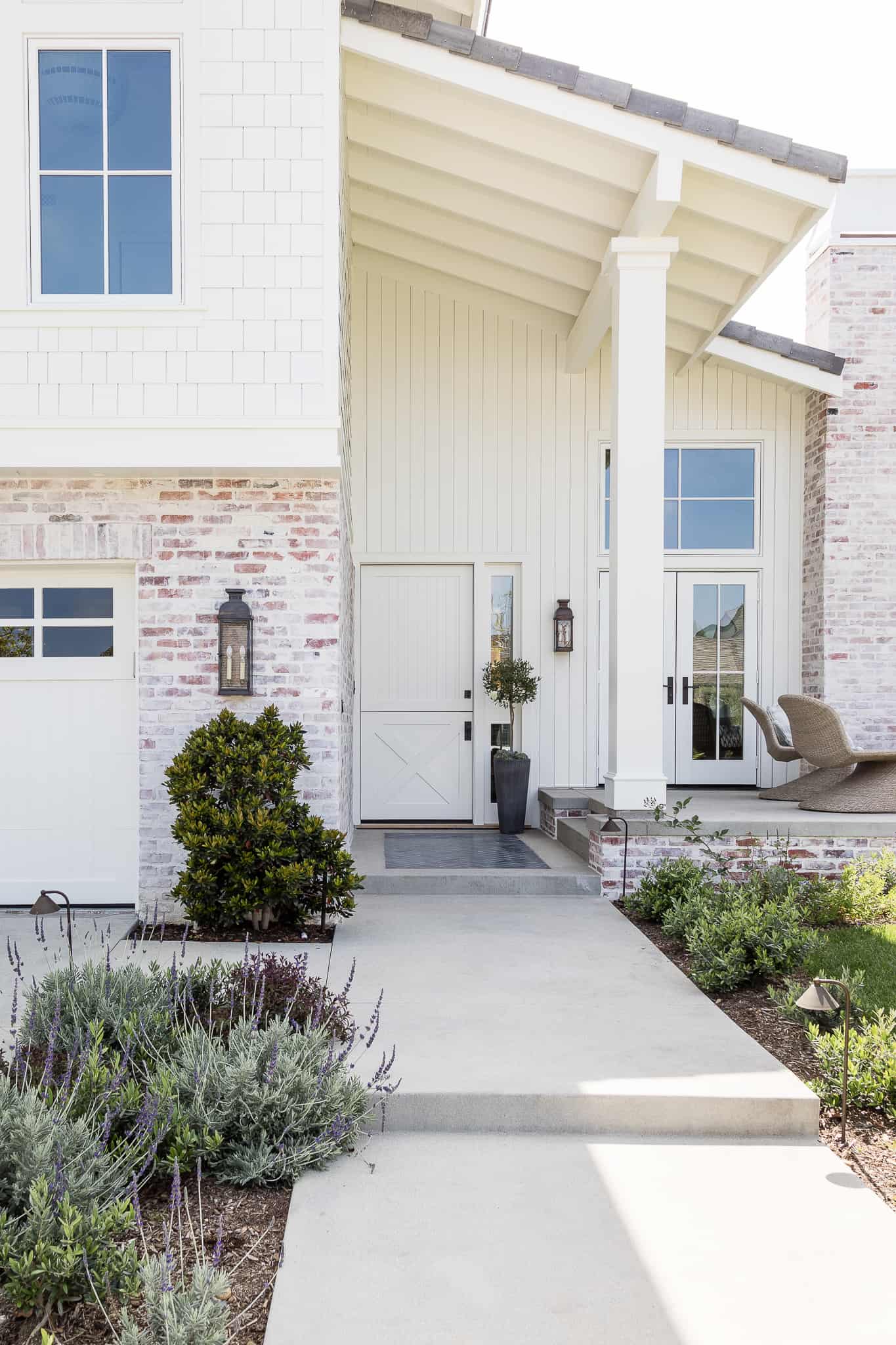
The right outdoor decor can tie your paint color into the entire exterior, making the finished look feel intentional and cohesive.
Furniture, lighting, and planters can echo your paint palette while adding texture, warmth, and personality to your coastal outdoor spaces.
Here are some of the best outdoor decor picks to pair with your beach house exterior, from comfortable furniture and lighting to coastal planters.
Tap Photos To Shop

The Best Front Door Colors for a Beach House Exterior
Your front door is a great place to take a fun color risk without committing to repainting the entire exterior of your beach house.
On a white or light gray exterior, navy, teal, and sage green doors remain popular choices that create a relaxed coastal feeling.
If your exterior is warm white or creamy, soft coral, dusty rose, and terracotta can add warmth without making the entry feel overly playful.
For homes painted medium or deep blue, a white or soft yellow door creates contrast and helps the entrance stand out beautifully.
You can also consider how your roof, trim, and surrounding landscaping work with your chosen front door color before making your final selection.
A bold door can bring personality to a simple exterior, especially when the rest of your palette stays soft and understated.
If you prefer a quieter look, choose a door shade that sits close to your existing exterior colors for an easy, cohesive appearance.
Remember to test your favorite coastal front door colors outside because bright coastal sunlight can make certain shades appear much stronger than expected.
Whether you choose navy, teal, sage, coral, or another coastal-inspired shade, your front door can make your beach house feel more inviting.
The Best Roof Colors to Pair with Beach House Exterior Paint
Your roof color might not be the first thing you think about, but it can make a noticeable difference in your beach house exterior.
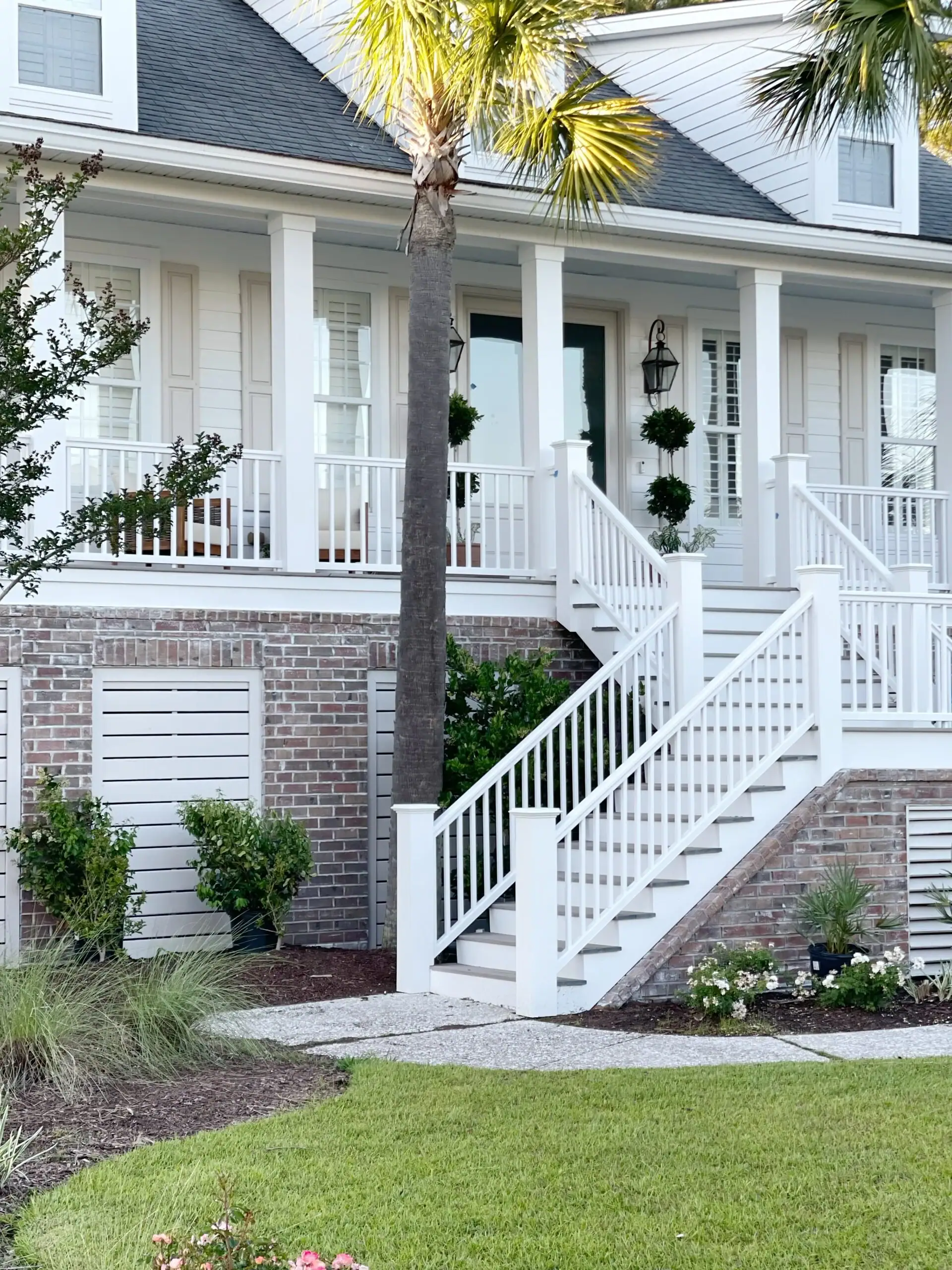
Gray or charcoal shingles are versatile choices that work well with coastal palettes ranging from crisp white to sandy taupe.
If your home uses warmer Mediterranean-inspired colors, clay or terra cotta tiles create a natural pairing with the overall exterior.
For soft blue-gray or seafoam exteriors, weathered gray shingles can keep the color palette feeling relaxed and connected.
You could also try soft brown shingles when you want a little more warmth without making the entire exterior feel too dark.
The key is choosing a roof shade that works with your siding, trim, doors, and other exterior elements.
Cool blue exteriors generally work better with gray roofing than brown or reddish shades because the undertones feel more naturally connected.
A mismatched roof color can make your exterior feel disconnected, even when your siding and trim colors work well together.
Before settling on a roof shade, look at large samples alongside your exterior paint and check them in natural daylight.
Taking a little time to compare these colors can help you create a beach house exterior that feels cohesive from every angle.
Landscaping Ideas That Complement Beach House Exterior Paint
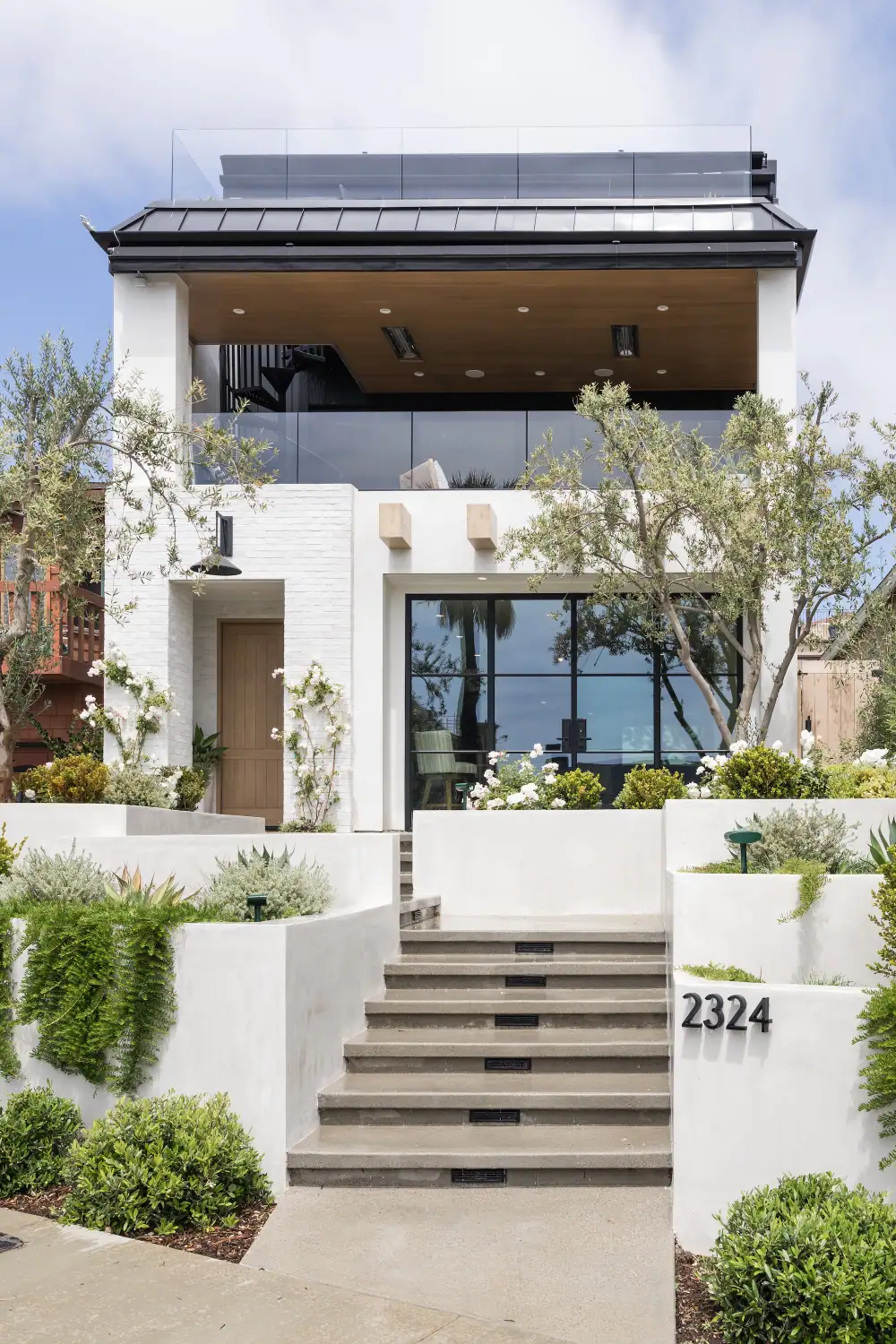
Landscaping acts like a natural frame around your exterior paint, so giving it some thought can make your entire beach house feel more cohesive.
Ornamental grasses like muhly grass and sea oats reinforce the coastal feeling while moving naturally with gentle ocean breezes around your property.
For homes with warm sandy tones, pairing them with beige outdoor paint colors can create a warm and inviting exterior palette.
You can then layer in silvery-blue or gray-green plants like agave, blue fescue, and dusty miller for added texture.
White and gray exteriors pair especially well with deep green boxwood hedges because the darker foliage creates clean, classic contrast.
Flowering white hydrangeas can also bring softness and brightness around the entryway while keeping the overall landscaping feeling fresh and timeless.
If your home uses warmer Mediterranean-inspired colors, plants like bougainvillea, rosemary, and lavender can feel right at home.
You can also use natural stone or concrete tones for walkways and retaining walls to keep the hardscape connected with your exterior palette.
Try choosing landscaping materials and plants that complement your paint rather than competing with the colors already used around your home.
With the right combination of plants, hardscape materials, and exterior colors, your beach house can feel naturally connected to its coastal surroundings.
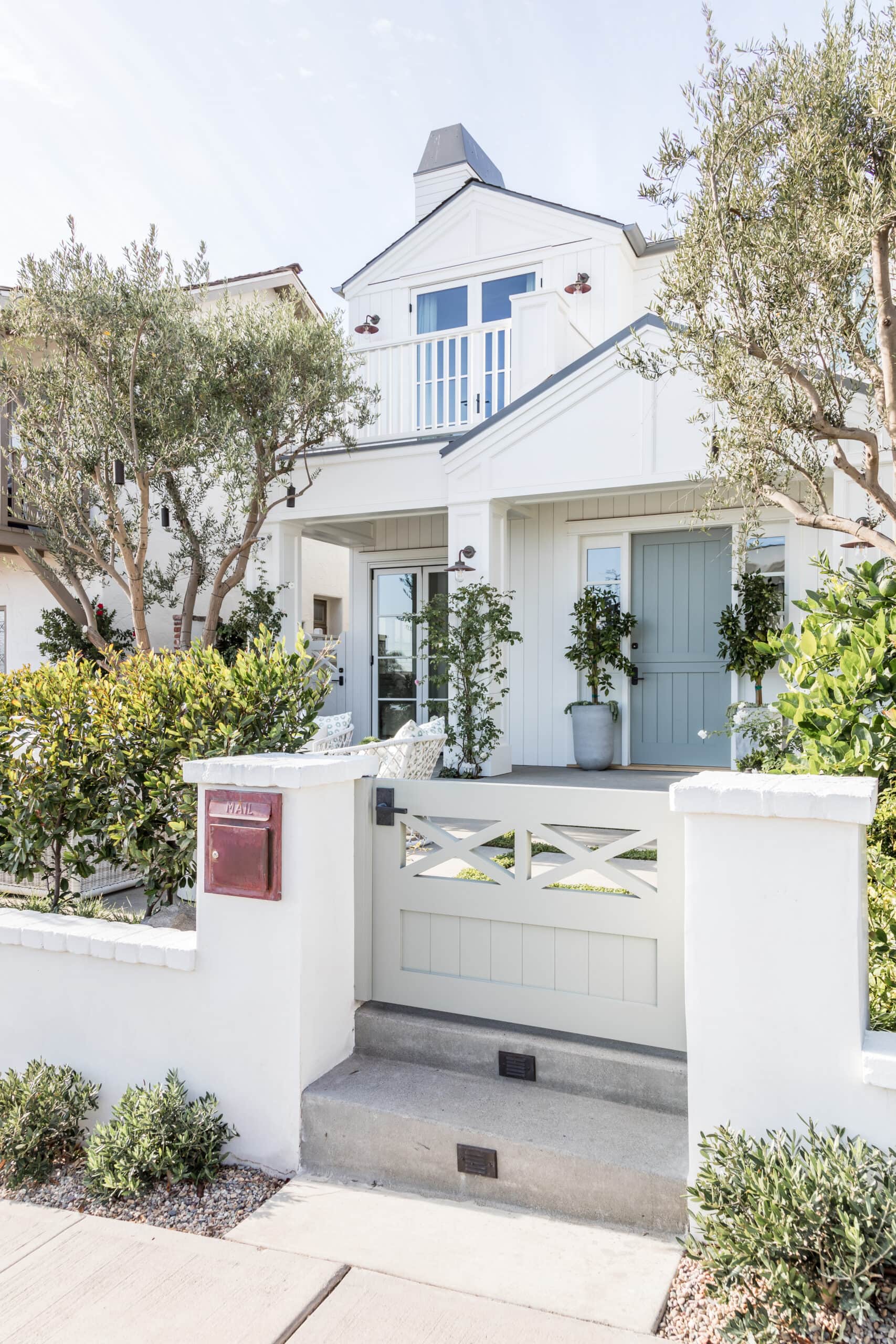
Common Beach House Exterior Paint Mistakes to Avoid
Going too dark on a hot, south-facing facade can make your beach house feel heavy while causing deep colors to fade faster.
Deep shades absorb more heat under direct coastal sunlight, so lighter colors often work better for keeping that breezy exterior feeling intact.
Skipping primer in a salty coastal environment can also cause problems because salt spray can damage paint and shorten its lifespan.
Using a quality primer made for high-humidity conditions gives your topcoat a better foundation and helps prevent peeling after repeated exposure.
Another mistake is using interior-grade paint outside, since those products can lose color quickly and suffer surface damage under outdoor conditions.
You should also avoid matching your trim exactly with the body color because having no contrast can make architectural details disappear.
Even a slight difference in tone or sheen between your siding and trim can create the separation that makes the exterior feel finished.
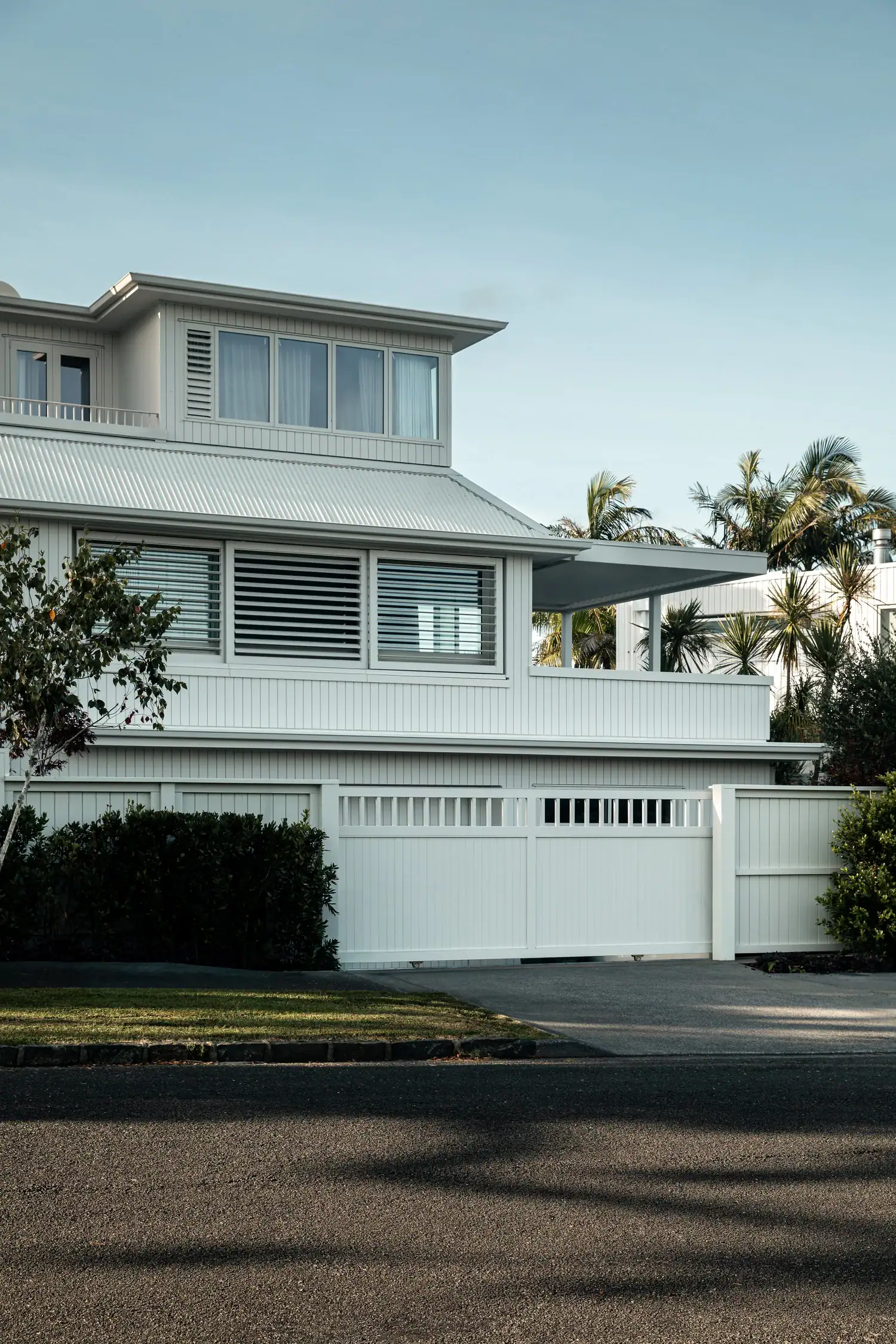
When considering white home exterior ideas, think about how the shade works with your natural surroundings before choosing.
A stark cool white can feel harsh against warm sand and dune vegetation, while a softer warm white tends to blend more naturally.
Finally, never choose your exterior color from a small paint chip alone, and always test a larger swatch outside throughout the day.
Things to Know
- Warm, creamy whites like Benjamin Moore White Dove create a softer, more inviting atmosphere than cool, stark white shades.
- A satin finish on the body and semi-gloss on the trim is the most practical combination for coastal homes facing regular salt air and moisture.
- Navy, deep teal, and charcoal gray work best as accent colors rather than primary body colors on most coastal home styles.
- Mixing blue-gray siding with warm beige trim is one of the simplest and most reliable ways to create a layered coastal aesthetic that reads as both current and timeless.
Frequently Asked Questions
What are the most popular beach house exterior paint colors right now?
Soft blue-gray, warm white, sandy taupe, and seafoam green remain popular choices for creating a relaxed, timeless coastal exterior. Sherwin Williams Sea Salt SW 6204 is a popular option, while warm whites like Alabaster and Benjamin Moore White Dove remain strong choices.
How often does a beach house exterior need to be repainted?
Most beach houses need repainting every five to seven years, although harsh coastal conditions can shorten that timeframe to three to five years. Paint quality, surface preparation, and finish type all affect longevity, while quality exterior paint and proper primer can help extend the finish.
What is the best paint finish for a beach house exterior?
Satin finish on the main body and semi-gloss on the trim create a practical combination that is easier to maintain over time. Satin is easier to clean than flat or matte finishes, while semi-gloss trim handles moisture and regular cleaning more effectively.
Should beach house shutters match the door or the trim?
Shutters often look best when they match the door because repeating the accent color creates a more cohesive exterior. For example, navy shutters paired with a navy door and white trim can create a classic coastal look across many home styles.
Do HOA rules affect beach house exterior paint choices?
Some communities and HOA-governed neighborhoods restrict exterior paint colors to approved palettes, so check your guidelines before purchasing paint. Getting approval for your chosen colors ahead of time can help you avoid unexpected changes or the cost of repainting later.
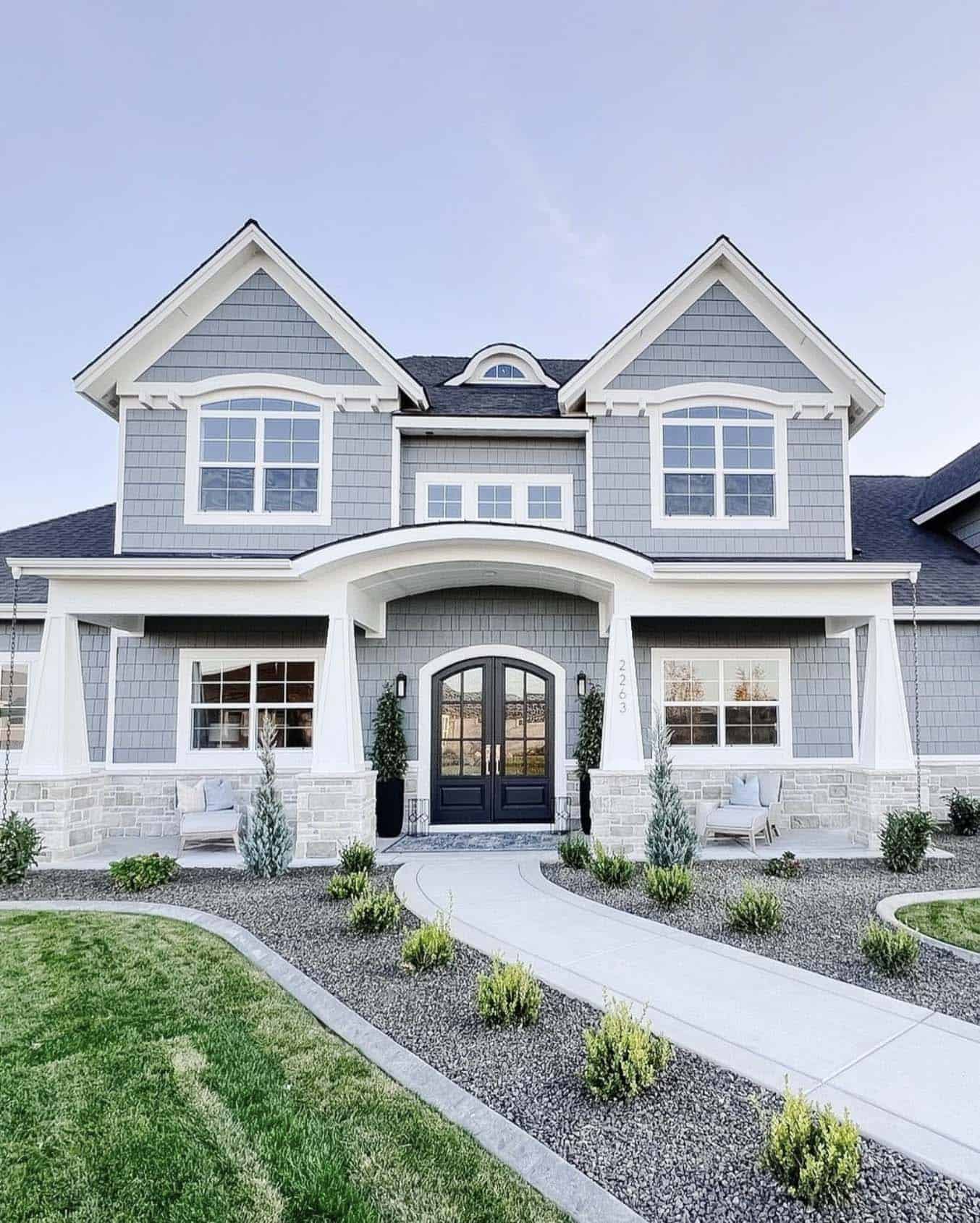
Choosing the right exterior colors can boost curb appeal while helping your beach house feel relaxed, cohesive, and connected to its surroundings.
The best beach house exterior paint ideas consider your home’s architecture, natural light, climate, and the colors already surrounding your exterior.
From classic coastal whites and soft blues to sandy taupes and modern blue-grays, you now have plenty of combinations to consider.
You also have practical tips for choosing finishes, coordinating doors and roofs, complementing your landscaping, and avoiding common painting mistakes.
Now grab a few paint samples, test your favorite shades outside, and use these ideas to create a coastal exterior you will love.