If you’ve been searching for the best ways to organize a pantry, you’re definitely not alone in feeling frustrated with the mess.
Many of us struggle with home organization ideas that actually work for our busy lives and crowded shelves every single day.
Walking into a pantry filled with toppling boxes and scattered snacks can make you feel tired before you even start cooking dinner.
Finding that one ingredient you need becomes a wild treasure hunt through cans, bags, and mystery containers that got shoved way back.
Messy shelves make it hard to see what you actually have, so you end up buying duplicates of things already hiding somewhere.
The confusion of not knowing where anything belongs means everything ends up wherever there’s a tiny bit of space available.
Struggles with pantry organization often come from not having a clear system that makes sense for how you actually use your kitchen.
This post may contain affiliate links. As an Amazon Associate and a participant in other affiliate programs, I earn a commission on qualifying purchases at no additional cost to you.

After years of dealing with my own pantry chaos, I finally discovered simple methods that completely changed how my kitchen feels.
These ideas work because they focus on making your daily routines easier instead of creating complicated systems that fall apart fast.
So, I’m excited to share practical tips and ideas that will help you create a pantry you will love using!
Why Organizing a Pantry Makes Daily Life Easier
When your pantry has a clear system in place, you’ll notice how much faster and smoother your morning routines become.
You won’t waste precious time digging through crowded shelves trying to find the cereal or coffee you need before rushing out.
An organized pantry helps reduce the stressful feeling of not knowing what groceries you already have at home when shopping.
Meal planning becomes so much simpler when you can actually see all your ingredients lined up neatly in their spots.
You will save money too, because you will stop accidentally buying things that were hiding behind other items on messy shelves already.
Cooking dinner feels less like a chore when everything you need is right where you expect it to be.
Kids can grab their own snacks without creating an avalanche of crackers and cookies tumbling down onto the floor below, making snack organizer ideas especially helpful for busy families.
An organized space brings a sense of calm that makes your whole kitchen feel more welcoming and peaceful every day.
You will find yourself actually enjoying the time spent preparing meals instead of feeling annoyed by the chaos around you constantly.
Daily life just flows better when your pantry works with you instead of against you in every single task.

More Kitchen Organization Ideas + Inspiration
How To Create Zones In Your Pantry For Better Organization
Creating specific zones in your pantry means giving each type of food its own designated spot where it always belongs.
Think about grouping breakfast items like cereals, oatmeal, and pancake mix all together in one easy section you can reach.
Snacks for the kids can live in a lower zone where little hands can grab what they need without help!
Baking supplies like flour, sugar, and chocolate chips work perfectly when they are all stored together in one dedicated area.
Canned goods become so much easier to manage when you group vegetables, soups, and beans into their own spaces.
Pasta, rice, and other grains deserve their own zone so you can quickly see what dinner options are available tonight.
Spices and seasonings stay organized beautifully when they have a specific shelf or corner that keeps them all in view.
Zones help your brain remember where everything goes, which means putting groceries away becomes quick and almost automatic after shopping.
You will spend way less time searching for ingredients because your hands will know exactly where to reach every time.
This simple zoning method makes your pantry feel manageable and keeps everything running smoothly for your whole family daily, much like other organization ideas for the home.

Tips For Labeling And Tracking Items In Your Pantry
Labeling containers and shelves helps everyone in your household know exactly where each item belongs without any guessing involved.
Simple labels on clear containers make it super easy to see what’s inside and how much you have left.
You can use a label maker, chalkboard labels, or even just masking tape with a marker for budget options.
Tracking expiration dates becomes much simpler when you write the date right on the container or label in clear view.
Arranging items with the oldest dates in front ensures you use things up before they go bad and get wasted.
A small whiteboard or notepad hanging inside your pantry door works great for tracking what needs replacing on your next trip.
This system helps you avoid buying duplicates of things you already have plenty of sitting on your shelves at home.
Labels also make it easier for kids and other family members to help put groceries away in the right spots.
You won’t feel stressed trying to remember what’s in every unmarked container or where that one ingredient is hiding anymore.
Good labeling and tracking are among the most brilliant kitchen organization hacks for keeping your pantry running smoothly without constant stress or confusion taking over your kitchen organization efforts.

What You Need To Organize A Pantry
Getting your pantry organized starts with having the right tools and supplies ready before you dive into the project ahead.
Having everything you need on hand makes the whole process go so much faster and feel less stressful overall.
Gathering these items first means you won’t have to stop halfway through to run out and buy something you forgot.
- Measuring tape for spacing
- Clear storage containers in various sizes
- Labels or a label maker
- Baskets or bins for grouping items
- Shelf risers or tiered organizers
- Lazy Susans for corner spaces
- Door-mounted racks or organizers
- Drawer dividers for small items
- Step stool for reaching high shelves
- Cleaning supplies for wiping shelves
- Trash bags for expired items
- Notepad for inventory tracking

Best Storage Containers For An Organized Pantry
Choosing the right storage containers can truly transform how your pantry looks and functions in your daily cooking routines.
Quality containers keep food fresh longer while making it easy to see exactly what you have available at a glance.
I’m excited to share some helpful home organization products that work beautifully for creating an organized pantry you will absolutely love using.
Tap Photos To Shop
Would you like to save this post?

Common Mistakes To Avoid When You Organize A Pantry
One big mistake people make is buying too many organizing products before actually sorting through what they own first.
You need to know what you’re working with and how much space things take up before investing in containers.
Another common problem is not measuring your shelf heights, which leads to buying bins and baskets that don’t actually fit.
Trying to organize everything in one exhausting day often leads to burnout and a system that doesn’t stick long-term.
Many people forget to think about how they actually use their pantry when deciding where different items should go.
Overfilling containers to the very top makes it hard to scoop out ingredients and creates messy spills every time.
Not leaving any empty space for new groceries means your system falls apart the minute you come home from shopping.
Choosing containers that look pretty but aren’t practical for what you’re storing inside them creates frustration instead of helping you.
Skipping the step of cleaning shelves thoroughly before organizing means you’re just rearranging dirt and crumbs around needlessly.
Avoiding these common mistakes will help you create a pantry organization system that actually lasts and makes life easier.
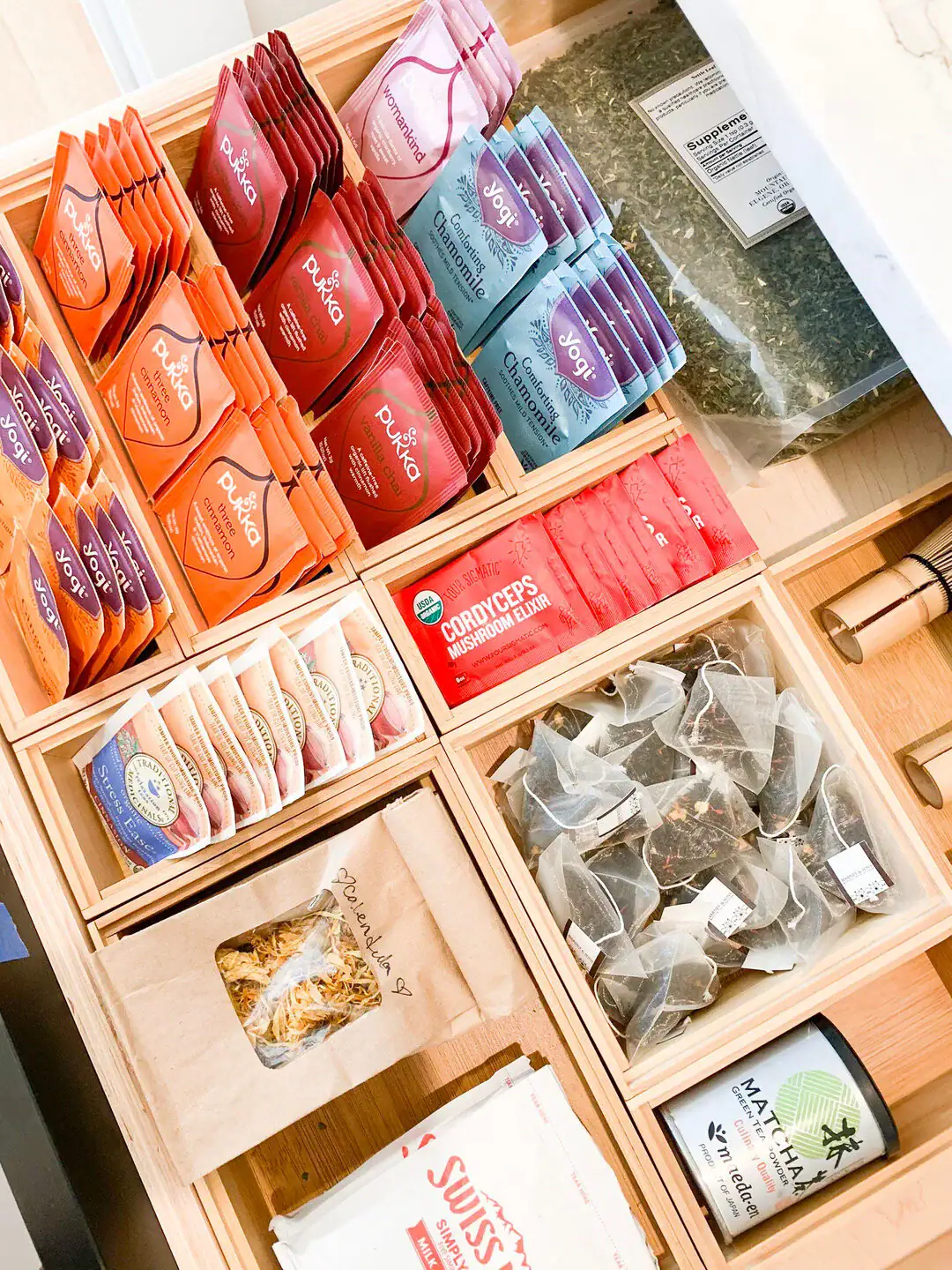
Simple Ways To Maximize Space When You Organize A Pantry
Using vertical space with shelf risers or stackable organizers instantly doubles the amount of usable storage you have available.
Adding hooks or small racks to the inside of your pantry door creates perfect spots for storing lightweight items.
Lazy Susans work wonderfully in corners and deep shelves because they bring everything within easy reach without wasting any space.
Clear containers stack much better than oddly shaped boxes and bags, which means you can fit more on each shelf.
Adjusting shelf heights to match what you’re actually storing eliminates wasted empty space between items and the shelf above.
Hanging wire baskets under shelves creates bonus storage for snacks, packets, and other lightweight things you use often during cooking.
Storing items you rarely use on the highest shelves keeps prime middle space open for things you grab every day.
Slim rolling carts can squeeze into narrow gaps beside your pantry and hold spices, oils, or other small kitchen essentials.
Drawer organizers inside pantry drawers keep small items like seasoning packets from becoming a jumbled mess you can’t sort through.
These space-saving methods work beautifully whether you have a walk-in pantry or just a small cupboard to work with, and pair well with many kitchen organization ideas and hacks.

Steps To Organize A Pantry
Getting your pantry organized doesn’t have to feel like an impossible task when you break it down into simple steps.
Taking it one step at a time makes the whole process feel manageable and even a little bit fun!
So, let me walk you through exactly how to create a pantry system that works perfectly for your family’s needs.
Step 1: Empty Everything Out Completely
Start by taking absolutely every single item out of your pantry so you can see what you’re working with clearly. This step also gives you a chance to wipe down all the shelves and get rid of crumbs and dust.
Step 2: Check Expiration Dates And Toss Old Items
Go through each item carefully and throw away anything that’s expired, stale, or that your family won’t actually ever eat. This decluttering step creates space for the things you really use and love having on hand every single day.
Step 3: Group Similar Items Together
Sort everything into categories like baking supplies, snacks, breakfast foods, canned goods, and pasta so things make sense together. Grouping items this way helps you see exactly how much of each category you own right now.

Step 4: Measure Your Shelf Space
Use a measuring tape to check the height and depth of each shelf before you buy any containers. Knowing your measurements prevents you from wasting money on storage solutions that don’t actually fit in your space.
Step 5: Choose The Right Storage Containers
Pick clear containers that fit your shelves well and keep food fresh while letting you see what’s inside easily. Make sure lids seal tightly and stack neatly so you’re not fighting with containers that slide around constantly.
Step 6: Label Everything Clearly
Add labels to every container and shelf so everyone knows exactly where each type of food belongs permanently. Clear labeling makes putting groceries away quick and easy, even when you’re tired after a long shopping trip.
Step 7: Arrange Items By How Often You Use Them
Put things you grab daily at eye level where they’re easiest to reach without stretching or bending down low. Items you use less often can go on higher or lower shelves, where they’re still accessible but out.

Step 8: Create Zones For Different Food Categories
Assign each category its own dedicated zone in your pantry so everything has a specific home that makes sense. Zones help your whole family know where to find things and where to put them back after using them, which is one of the most effective pantry organization ideas.
Step 9: Add Final Touches Like Baskets And Risers
Use baskets for corralling small items and shelf risers to create more vertical storage space throughout your pantry. These finishing touches make your system work even better and look really nice at the same time too.
Step 10: Maintain Your System With Weekly Quick Checks
Spend just a few minutes each week straightening up, checking for expired items, and making a shopping list. Regular maintenance keeps your pantry looking great and prevents the chaos from creeping back in over time.

Frequently Asked Questions
What is the fastest way to organize a pantry?
Empty everything out, toss expired items, group similar foods together, and use clear containers with labels for quick organization. This method takes just a few hours and creates lasting results.
How do I keep my pantry organized after I organize it?
Do a quick five minute tidy up each week and always put items back in their designated zones immediately. Keeping up with small maintenance prevents big messes from building up over time.
What are the best containers for pantry organization?
Clear airtight containers with easy open lids work best because you can see contents and keep food fresh longer. Choose stackable options that fit your shelf dimensions perfectly for maximum space efficiency.
How do I organize a small pantry with limited space?
Use vertical space with shelf risers, add door racks, and store items in slim stackable containers that maximize every inch. Keeping only what you actually use regularly also helps small spaces work better.
Should I organize my pantry by food type or meal?
Organizing by food type like snacks, baking supplies, and canned goods works best for most families and feels intuitive. This method makes finding ingredients quick and helps everyone know exactly where things belong always.

These best ways to organize a pantry will help you save time, reduce stress, and make daily cooking feel enjoyable.
Start with just one small section today if the whole project feels like too much to tackle all at once right now.
Remember that creating a system that fits your family’s needs is way more important than making everything look perfect.
Your organized pantry will make every single day in your kitchen feel smoother, calmer, and so much more pleasant.