Trying to find your favorite meals when recipes are scattered everywhere can be frustrating, which is exactly why so many people start searching for the best way to keep recipes organized.
Many people looking for kitchen organization ideas quickly realize that recipe clutter can create unnecessary stress and make everyday cooking feel much more difficult than necessary.
A recipe collection often begins with just a few favorites, but it can quickly grow into screenshots, recipe cards, magazine pages, cookbook notes, and forgotten links.
When recipes are stored in several different places throughout your home and devices, planning meals can sometimes take longer than preparing the actual food itself.
It can also feel disappointing when a favorite recipe suddenly goes missing right before a family gathering, holiday celebration, or special dinner you planned.
Handwritten family recipes often become folded, stained, faded, or misplaced over time simply because they were never given a reliable storage system.
Many people delay organizing their recipes because the project seems much bigger than it really is once everything has accumulated across multiple locations.
This post may contain affiliate links. As an Amazon Associate and a participant in other affiliate programs, I earn a commission on qualifying purchases at no additional cost to you.

The good news is that creating a simple recipe storage system does not require complicated steps, expensive supplies, or hours of work.
Whether you prefer recipe binders, digital folders, recipe apps, or a mix of different methods, there are practical solutions that can simplify cooking.
These helpful brilliant kitchen organization hacks will guide you toward building a recipe collection that stays organized, remains easy to search, and supports stress-free meal planning.
Why Keeping Recipes Organized Saves Time and Stress
Keeping recipes organized makes cooking easier because everything is stored where you can find it quickly without wasting valuable time searching through different places.
When favorite meals are easy to locate, meal planning becomes much simpler and less frustrating, especially during busy weeks when everyone is asking what is for dinner.
Instead of digging through stacks of paper, saved social media posts, screenshots, or random notes, you can focus on preparing meals and enjoying time together.
A well-organized recipe collection also helps reduce last-minute stress because you always have trusted meal ideas ready whenever you need them most.
From personal experience, having recipes organized in one place can save a surprising amount of time throughout the month and make cooking feel much smoother.
It can also help you remember recipes you may have forgotten about, giving you more meal options without constantly searching for new ideas online.
When recipes are easy to access, creating grocery lists becomes faster because you can quickly review ingredients and plan meals before shopping.
Even a few kitchen organization ideas and hacks can make your kitchen feel more manageable and help turn everyday cooking into a more enjoyable experience.

What Are the Benefits of Organizing Recipes by Category
Sorting recipes into categories makes it easier to find the right meal for any occasion without spending extra time searching through your entire collection.
Instead of scrolling through hundreds of saved recipes, you can go directly to breakfast ideas, desserts, soups, or family favorites whenever you need inspiration.
This simple approach makes meal planning feel much more manageable because everything is grouped in a way that feels organized and easy to follow.
Popular categories often include breakfast, lunch, dinner, appetizers, soups, salads, side dishes, slow cooker meals, desserts, holiday recipes, and family favorites.
When recipes are sorted into clear sections, creating weekly meal plans becomes faster because you can quickly see all your options in one place.
Categorizing recipes can also help you remember dishes you have not made in a while, giving you fresh meal ideas without searching online.
You can create additional sections for seasonal meals, special diets, entertaining guests, or quick weeknight dinners if those better match your cooking habits.
A category system keeps your recipe collection easy to navigate and helps turn a large group of recipes into something practical and enjoyable to use.

How To Organize Hundreds of Recipes Without Feeling Overwhelmed
The easiest way to organize a large recipe collection is to break the project into smaller steps so it feels manageable and much less intimidating.
Start by gathering recipes from every location, including cookbooks, recipe cards, digital folders, magazine clippings, screenshots, and saved websites scattered throughout your home and devices.
Seeing everything together gives you a clear picture of your collection and helps you understand exactly what you have before creating an organization system.
Once everything is collected, sort recipes into broad categories such as breakfast, dinner, desserts, soups, and family favorites to create a simple starting structure.
Next, remove duplicate recipes and set aside any meals you realistically know you will never make, since these often take up unnecessary space.
Many people are surprised by how much clutter disappears after this step, making the remaining collection much easier to organize and maintain.
Rather than trying to finish the entire project in one afternoon, focus on organizing one category at a time and celebrate small wins.
Working at a steady pace helps you stay motivated, prevents frustration, and often leads to a recipe organization system that feels practical for everyday use.
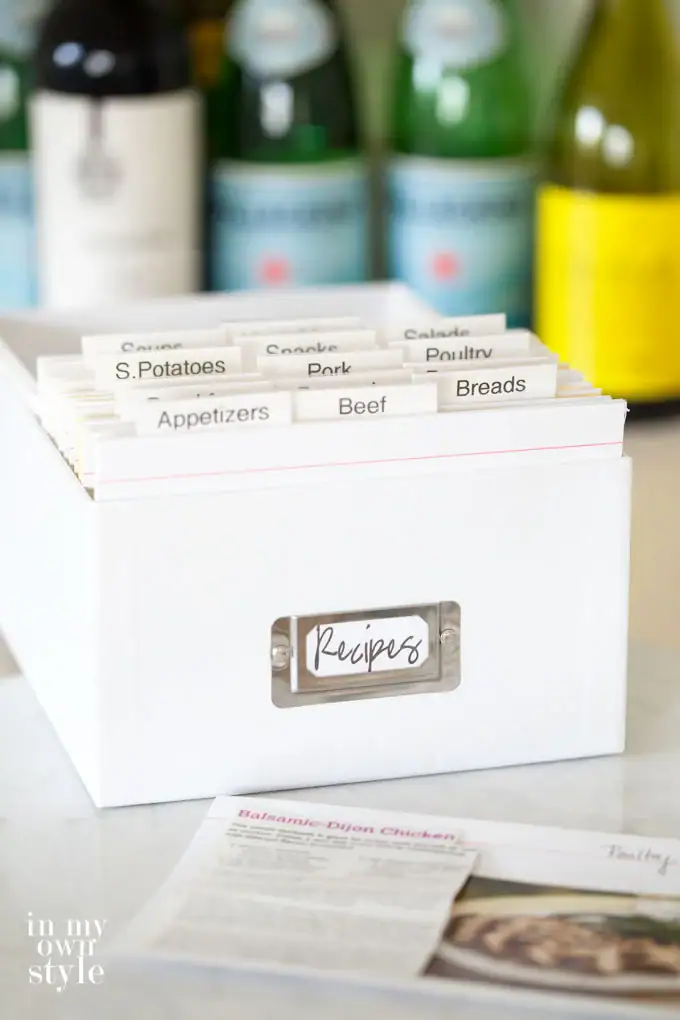
Best Recipe Organization Ideas for Printed Recipes
Printed recipes are easiest to manage when they have a dedicated home and a simple filing system that keeps everything organized and easy to access.
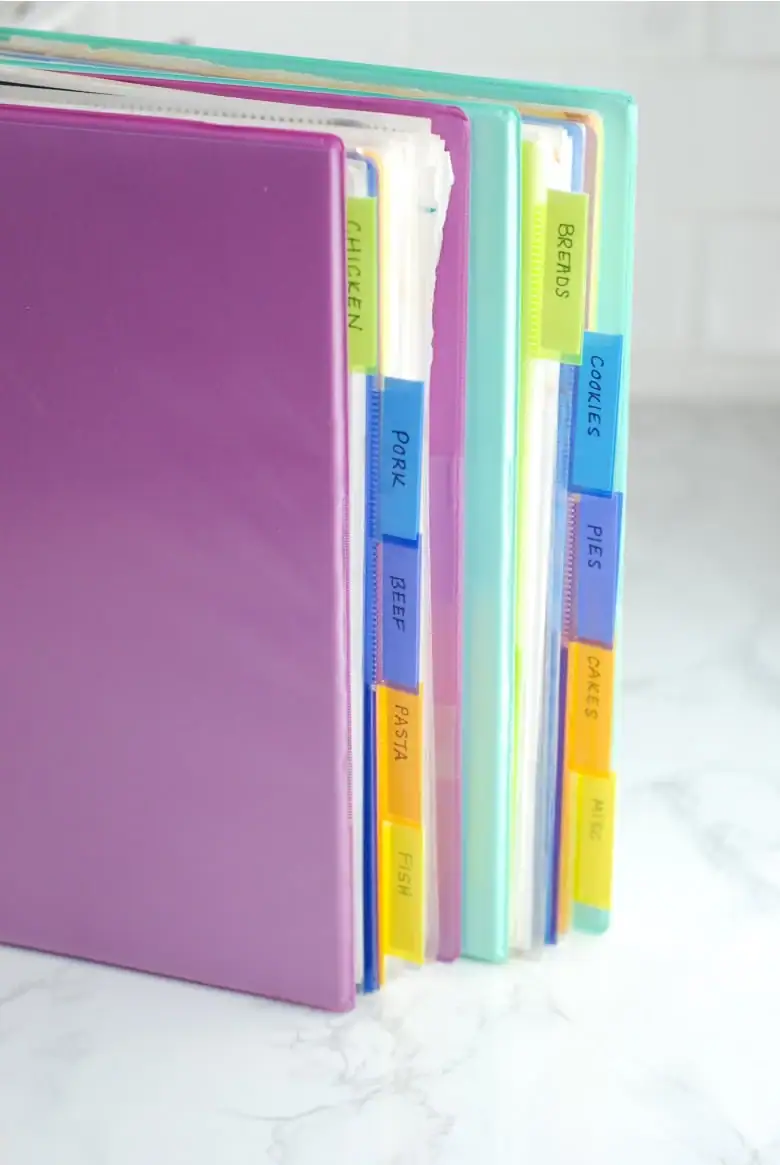
A recipe binder is one of the most practical storage solutions because it keeps recipes together while making pages easy to browse during meal planning.
Adding clear sheet protectors can help keep recipes clean from spills, splatters, and everyday kitchen messes, allowing them to stay in good condition longer.
Another helpful option is using labeled folders inside a filing box, especially if your recipe collection continues growing throughout the year.
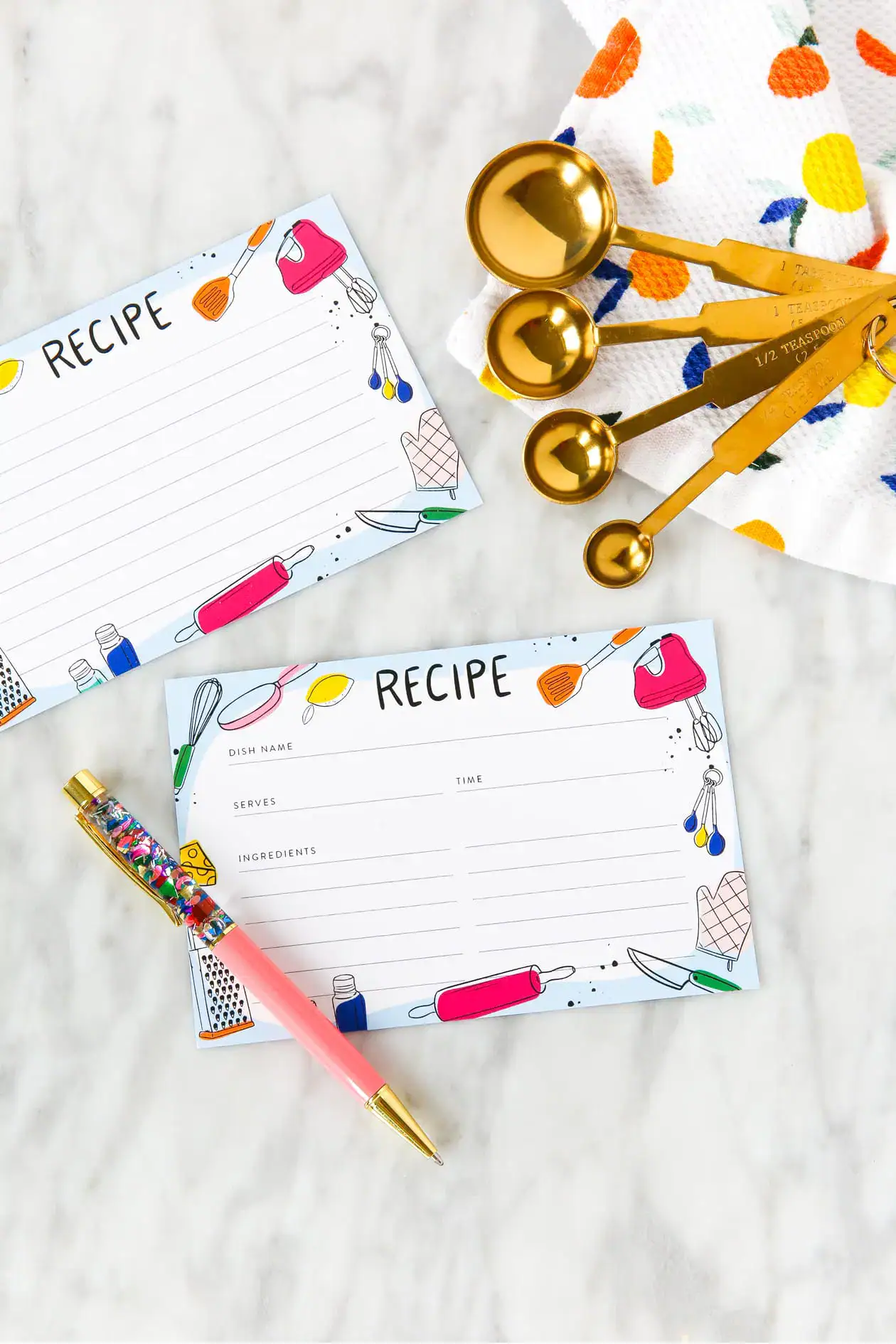
Recipe card boxes work particularly well for smaller collections because they keep favorite meals neatly sorted and ready whenever you need them.
Creating a separate section for family favorites makes weeknight cooking much easier since those trusted meals are always quick to find.
You can also create sections for holiday dishes, desserts, quick dinners, or seasonal recipes to make browsing your collection feel more convenient.
No matter which storage method you choose, keeping similar recipes together creates a simple system that stays organized and requires very little upkeep.
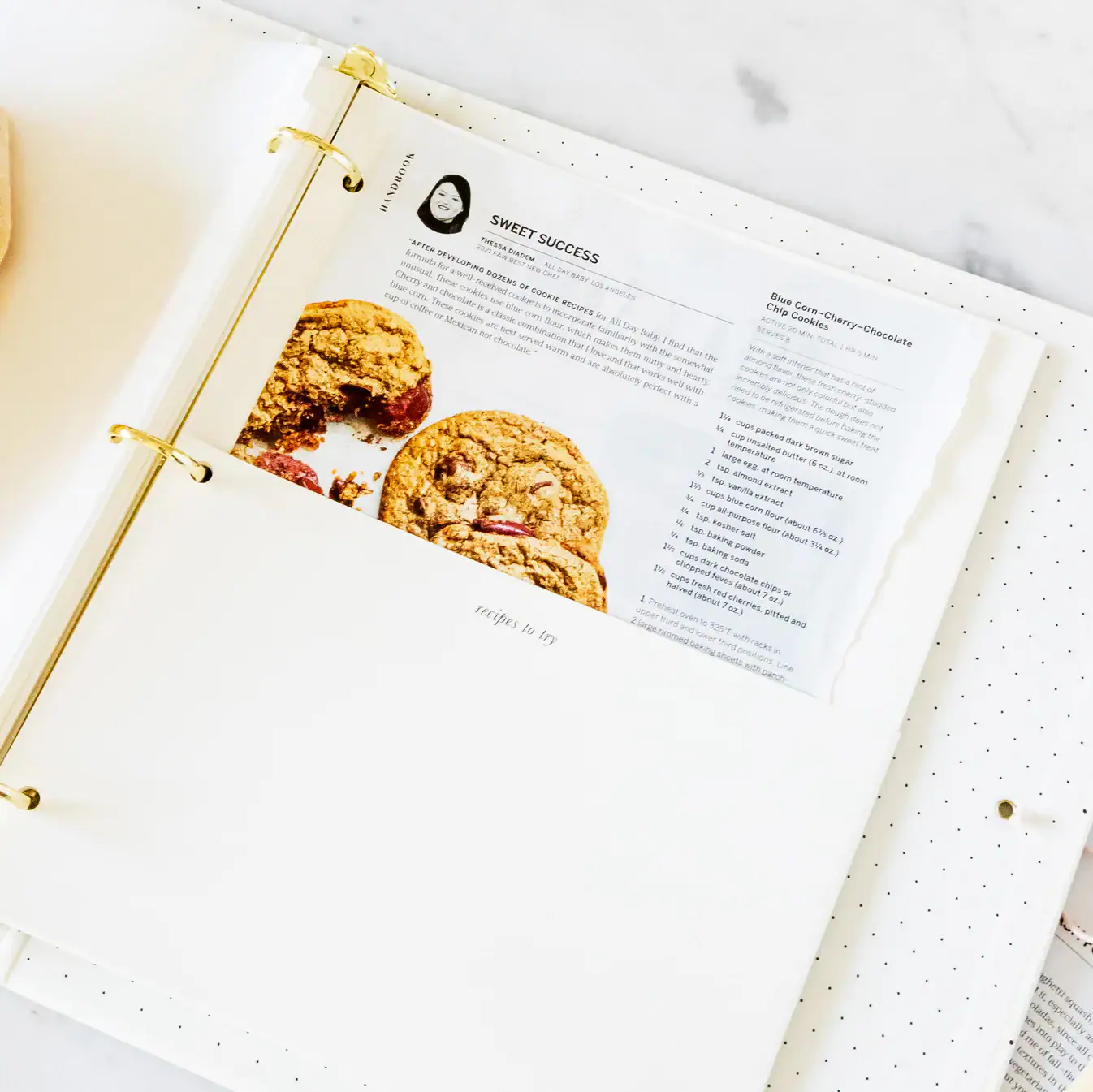
Digital Recipe Organization Tips for a Clutter-Free Kitchen
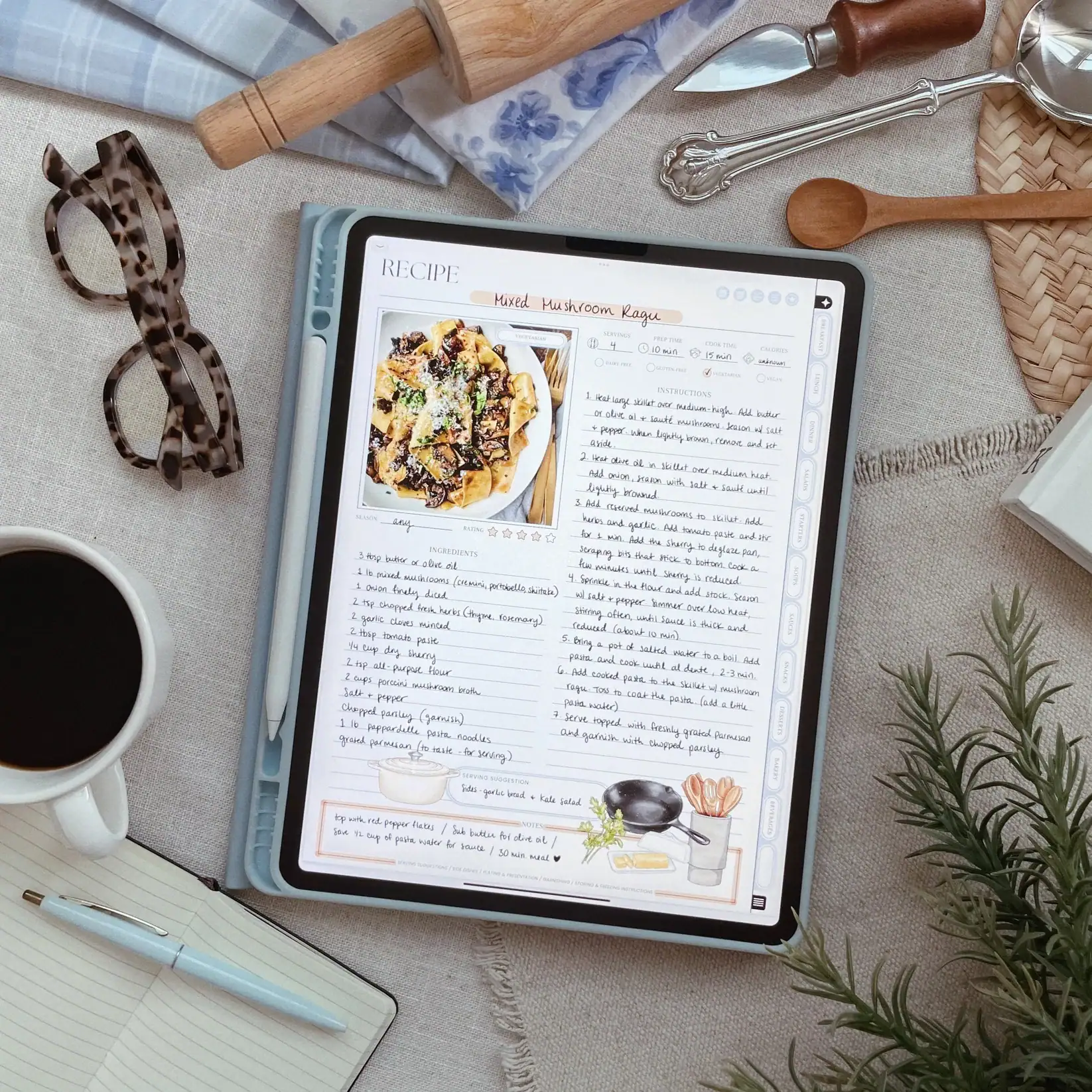
Kitchen organization and storage tips like digital recipe organization are a great solution for reducing paper piles while keeping recipes easy to access from your phone, tablet, or computer.
One simple approach is to create folders on your computer or cloud storage account and sort recipes into categories that match your cooking habits.
Using clear folder names for dinners, desserts, holiday meals, and meal prep ideas can make finding recipes much faster during busy days.
Recipe apps are another helpful option because they keep online recipes in one searchable location without requiring you to print every recipe.
Many recipe apps allow you to save recipes directly from websites, making it easier to build a digital collection that stays organized over time.
If you regularly save cooking ideas from blogs, Pinterest, Instagram, or other social platforms, schedule a few minutes weekly to sort them properly.
This small habit can prevent digital clutter from piling up and help ensure your favorite recipes remain easy to locate whenever needed.
A well-organized digital collection can simplify grocery shopping, support meal planning, and make everyday cooking feel much more efficient throughout the week.

Recipe Organization Tools Worth Using
The right recipe organization tools can make storing, finding, and managing recipes much easier, helping you spend less time searching and more time enjoying cooking.
Whether you prefer paper copies or digital storage, having a few reliable tools can help create a recipe system that stays organized and useful for years.
Here are some of the most useful recipe organization tools that can help keep your collection neat, easy to access, and simple to maintain over time.
Would you like to save this post?
Tap Photos To Shop

Recipe Binder Ideas That Keep Everything in One Place
The right home organization products, like a recipe binder, can turn scattered recipes into a personalized cookbook that keeps everything together and makes finding favorite meals much easier every day.
One reason recipe binders work so well is that they allow you to organize recipes in a way that matches your cooking habits.
The best binders use category dividers so recipes are grouped into sections like breakfast, dinner, desserts, holiday meals, and family favorites for easier browsing.
When recipes are sorted into clear sections, you can quickly find what you need without flipping through stacks of loose papers.
Adding sheet protectors helps keep recipe pages clean from spills, splatters, and everyday kitchen messes while making it simple to add new recipes.
Many people also like adding weekly meal planning pages so favorite recipes and dinner plans can be kept together in one convenient place.
Other helpful additions can include grocery shopping lists, seasonal recipe collections, holiday menus, cooking notes, and recipe rating pages for future reference.
As your family discovers new favorite meals, you can easily move sections around, add new categories, and keep everything organized in one location.
For anyone who enjoys printed recipes, a recipe binder remains one of the simplest and most practical storage solutions for keeping recipes neat and easy to use.
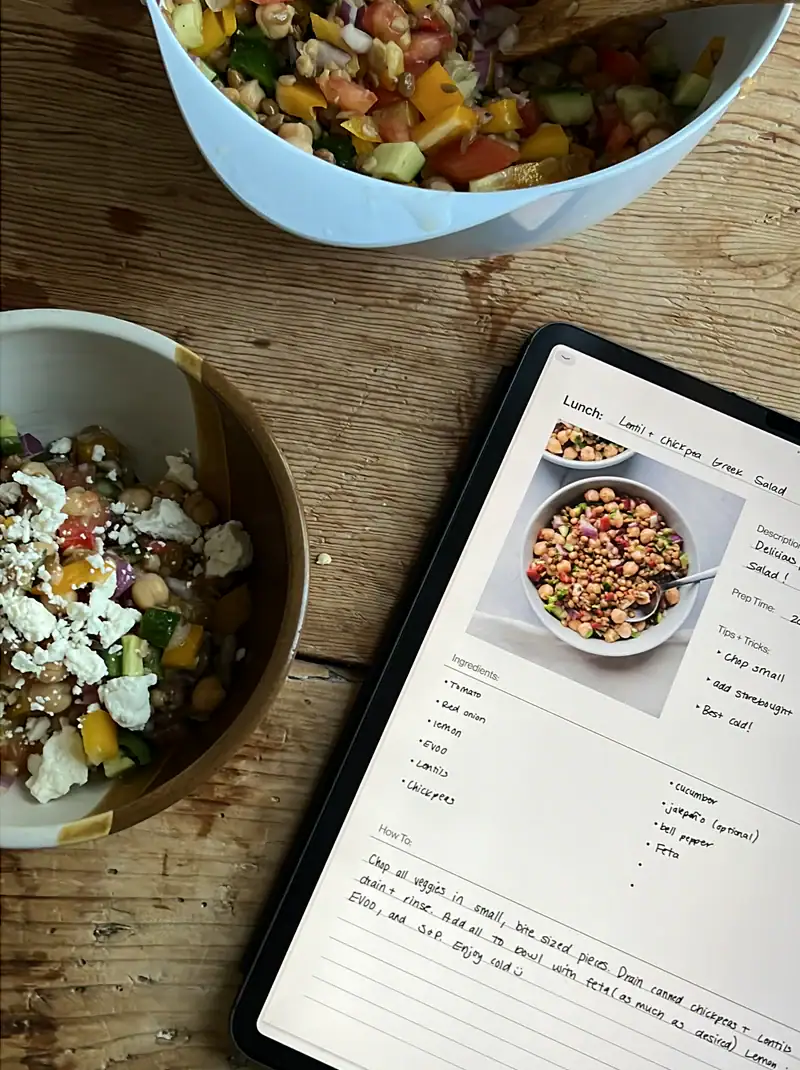
Tips for Storing Handwritten Family Recipes and Recipe Cards
Handwritten family recipes deserve extra care because they often carry special memories, family traditions, and stories that simply cannot be replaced by modern recipe books.
Some of my favorite recipes came from family recipe cards passed down through generations, and those handwritten notes often feel just as valuable as the recipes themselves.
Many older recipe cards contain little details, cooking tips, and personal notes that may not appear in printed cookbooks or online recipes.
One of the smartest things you can do is scan or photograph every handwritten recipe so you always have a backup if something happens.
Creating digital copies helps protect recipes from spills, fading ink, accidental damage, or simple wear that naturally happens as paper gets older.
It is also helpful to save digital copies in cloud storage so they remain accessible even if your computer or phone stops working.
For the original cards, store them in protective sleeves, recipe binders, or sturdy storage boxes designed to keep paper safe over time.
Keeping recipe cards away from moisture, direct sunlight, and excessive heat can help preserve handwriting and prevent paper from becoming damaged.
Adding notes about who wrote the recipe, when it was used, or family memories connected to it can make it even more meaningful.
A little extra effort today can help ensure these treasured family recipes stay protected, organized, and ready to share with future generations.
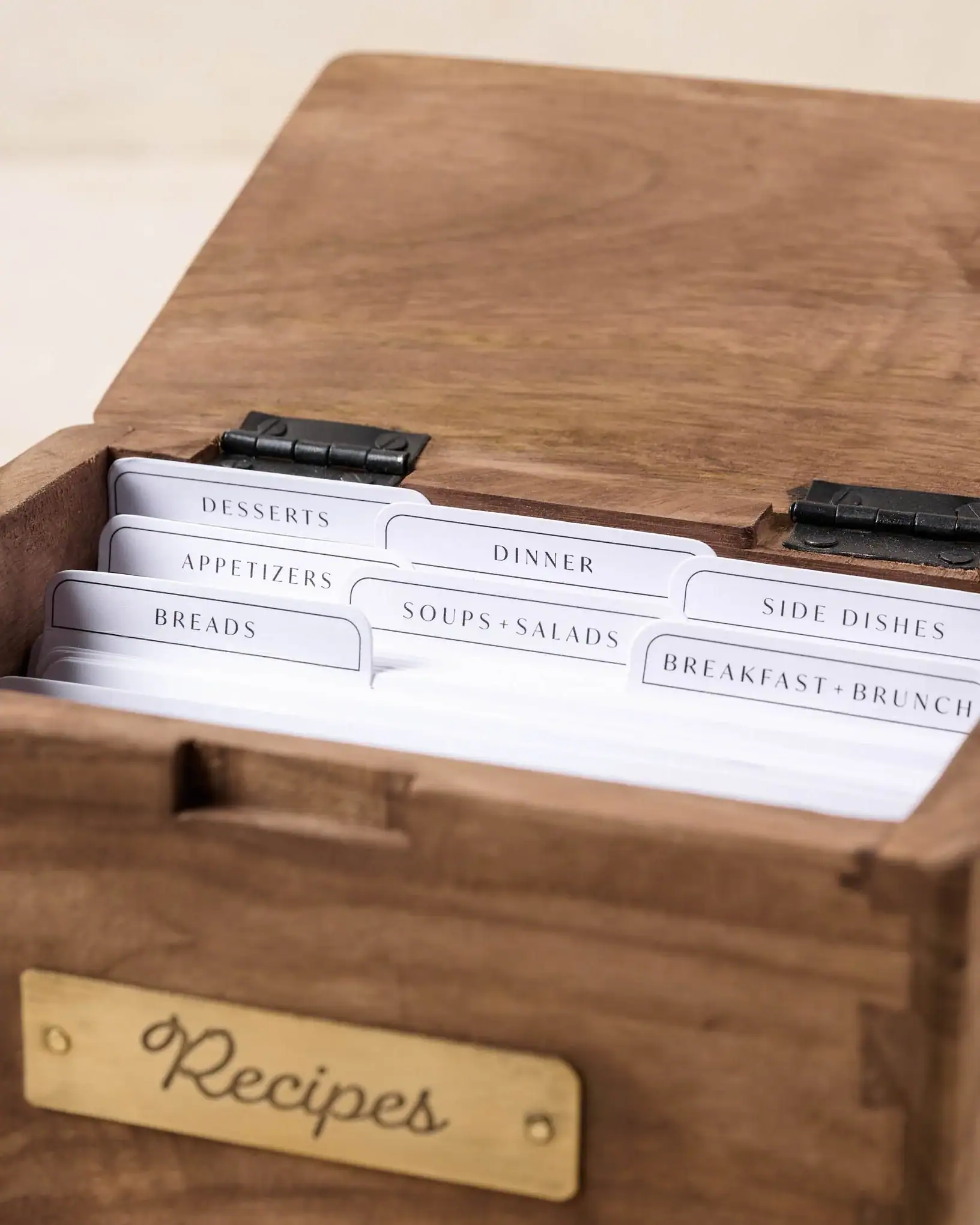
How to Organize Recipes From Websites, Cookbooks, and Magazines
Recipes from different sources are much easier to manage when they follow the same organization system, making everything simpler to find whenever you need it.
For recipes saved from websites, create digital folders based on categories such as dinners, desserts, slow cooker meals, or special occasions you regularly enjoy.
This approach helps keep online recipes organized and prevents them from getting buried under bookmarks, screenshots, browser tabs, or saved links.
When saving recipes from cookbooks, there is usually no need to copy every recipe into another location unless you use it frequently.
Instead, keep a simple list of favorite cookbook recipes along with the book title and page number for quick and easy reference.
This method saves storage space while still allowing you to find trusted recipes without spending extra time flipping through multiple cookbooks.
Magazine recipes can quickly pile up over time, especially when you tear out pages without immediately deciding where they should be stored.
I like keeping only recipes I genuinely plan to make and filing them right away into clearly labeled categories for easier access later.
Whether recipes come from websites, cookbooks, magazines, family recipe cards, or personal notes, they should all follow the same category structure.
Sticking with one consistent system helps prevent confusion, reduces clutter, and makes your entire recipe collection much easier to maintain over time.

Best Way to Keep Recipes Organized Long-Term
The best way to keep recipes organized long-term is to create a simple system that feels easy to follow and maintain throughout the year.
Many recipe collections start out organized but slowly become cluttered because new recipes are saved regularly without any routine for sorting them.
Setting aside just a few minutes each month to review and organize new recipes can prevent small amounts of clutter from becoming bigger problems.
Whenever you save a new recipe from a website, cookbook, social media post, or magazine, file it into the correct category immediately.
This simple habit keeps papers, screenshots, bookmarks, and saved links from piling up and becoming difficult to sort later on.
It is also helpful to review your recipe collection several times each year and remove meals that no longer fit your tastes.
As cooking habits change, some recipes naturally become favorites while others sit unused, taking up space and making your collection harder to manage.
Another helpful tip is to keep categories simple because complicated systems often become frustrating and harder to maintain as your collection grows.
Over time, a recipe collection should become more practical, easier to navigate, and filled with meals you actually look forward to making again.
Common Recipe Organization Mistakes to Avoid
Avoiding a few common mistakes can make recipe organization much easier from the beginning and help your system stay useful for years.
One common mistake is creating too many categories, because having dozens of sections can actually make recipes harder to find when time is limited.
While detailed categories may seem helpful at first, they often create confusion and require more effort to maintain as collections continue growing.
Another mistake is saving every recipe that looks appealing without considering whether you will realistically make it in the near future.
It is surprisingly easy to collect recipes faster than you can cook them, creating clutter in both printed collections and digital storage systems.
Many people also forget to create backup copies of important recipes, especially handwritten family recipes that may be difficult or impossible to replace.
Losing treasured recipe cards or saved files can be frustrating, particularly when they contain favorite meals that have been enjoyed for generations.
Waiting too long to file new recipes is another habit that often creates unnecessary messes and turns a simple task into a larger project.
A good rule is to organize new recipes as soon as you save them, making it much easier to keep everything neat and accessible.
The most successful recipe organization systems are usually simple, practical, and easy to maintain because those are the systems people consistently use.
Frequently Asked Questions
What is the best way to save recipes from social media platforms?
The easiest way to save recipes from social media is to move them into organized folders or recipe apps shortly after finding them. Leaving recipes buried inside saved posts often makes them difficult to find later.
How can I prevent losing important family recipes?
Photograph or scan handwritten recipes and save copies in cloud storage as a backup. Keeping both physical and digital versions adds an extra layer of protection.
What categories should I use when organizing recipes?
Start with simple categories such as breakfast, lunch, dinner, desserts, soups, and holiday meals. You can always add more sections later if your collection grows.
Can recipe organization help reduce grocery spending?
Yes, organized recipes can make meal planning easier and help avoid buying ingredients you already have meals planned for. Having quick access to favorite recipes often leads to more intentional shopping.
Is it better to keep recipes in folders, binders, or index cards?
Each option can work well depending on your preferences. Many people like recipe binders because they keep recipes together while still allowing new pages to be added whenever needed.
Learning how to declutter your home, starting with your recipe collection, can make meal planning, cooking, and grocery shopping feel much simpler throughout the week.
Finding a recipe system that supports the best way to keep recipes organized can save time, reduce clutter, and make favorite meals easier to enjoy.
From recipe binders and recipe cards to digital folders and recipe apps, there are plenty of practical solutions that fit different lifestyles and cooking habits.
The most important step is choosing a method that feels realistic and easy to maintain as your collection grows.
So, start using these recipe organization ideas today and create a kitchen system that keeps every favorite recipe right where you need it.